The Evolution of Lightweight Duct Boards in Construction
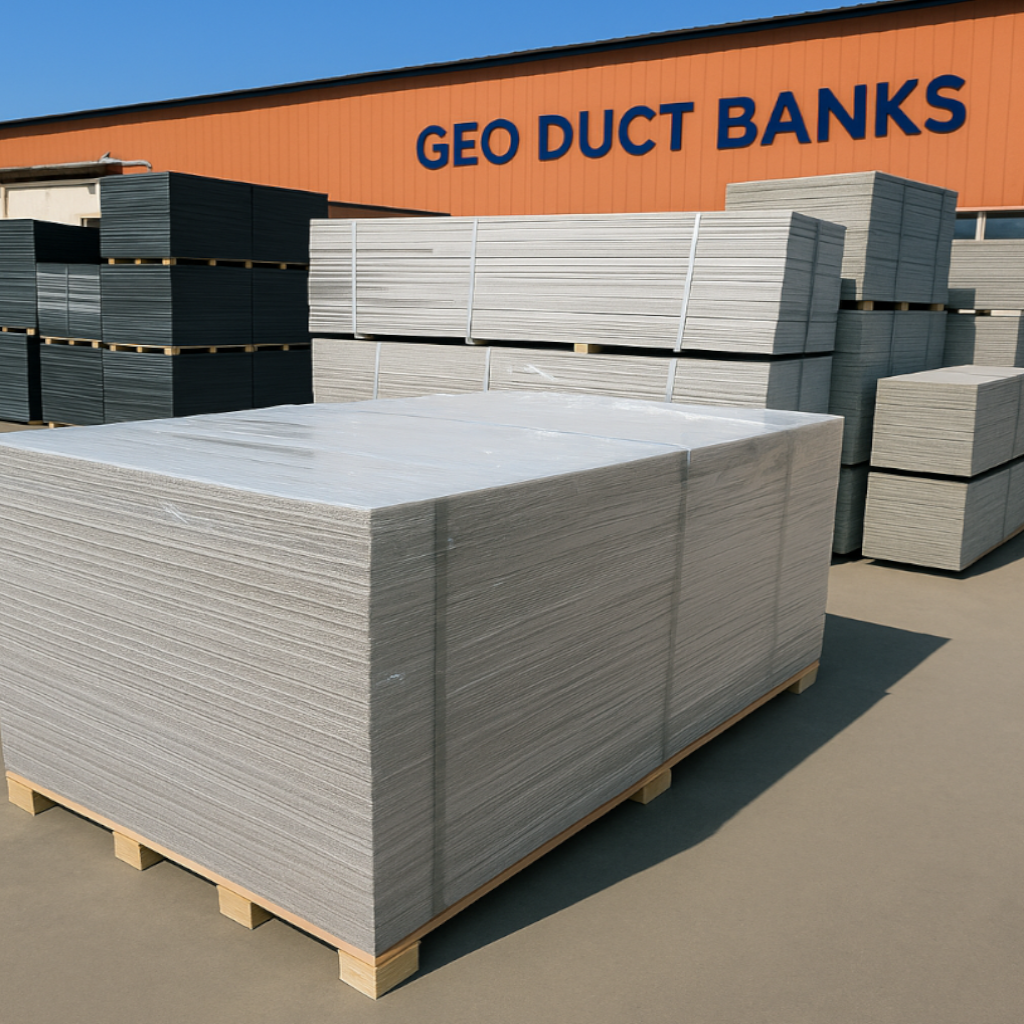
The construction industry has witnessed significant advancements over the years, among which the evolution of lightweight duct boards stands out prominently. These materials, used in heating, ventilation, and air conditioning (HVAC) systems, have transformed the way air distribution is managed in various building types. The shift towards lighter and more efficient materials has not only improved installation processes but has also contributed to enhanced energy efficiency and sustainability in construction practices.
Historical Overview of Duct Boards
Originally, duct boards were primarily made from heavy metals, such as galvanized steel, which were robust and durable but presented challenges in terms of installation and energy efficiency. Traditional metal ductwork required significant labor and resources, often leading to increased costs and extended project timelines. The need for more efficient and cost-effective solutions spurred innovation in the industry.
Transition to Lightweight Materials
Over time, the adoption of lightweight materials like fiberglass and foam-based boards began to revolutionize the industry. These materials offered a range of benefits:
- Reduced weight, leading to easier handling and faster installation.
- Improved thermal insulation properties, enhancing energy efficiency.
- Cost-effectiveness in both material and installation expenses.
- Greater flexibility in design and application, adapting to various building configurations.
Read more about this topic and how these innovations have shaped modern construction practices.
Technological Advancements in Duct Board Manufacturing
The development of new technologies has further propelled the evolution of lightweight duct boards. Modern manufacturing techniques have allowed for precision engineering of duct boards, ensuring optimal performance and durability. Innovations in materials science have led to the creation of duct boards that are both environmentally friendly and highly efficient.
Eco-Friendly Materials
As sustainability becomes a key focus in construction, the use of eco-friendly materials in duct board manufacturing is gaining traction. These materials are designed to minimize environmental impact while maintaining superior performance characteristics:
- Utilization of recycled materials to reduce waste and resource consumption.
- Incorporation of renewable materials that contribute to sustainable building certifications.
- Non-toxic and low-VOC (Volatile Organic Compound) materials that improve indoor air quality.
Explore further insights here on how these eco-friendly materials are being integrated into modern construction practices.
The Impact of Lightweight Duct Boards on Construction Efficiency
Lightweight duct boards have significantly improved the efficiency of construction projects by simplifying the installation process and reducing labor costs. The ease of handling these materials allows for quicker installation, which is especially beneficial in large-scale projects where time is a critical factor.
Benefits in Project Management
The integration of lightweight duct boards into building systems has several advantages for project management:
- Streamlined logistics due to reduced material weight and volume.
- Decreased installation time, allowing for faster project completion.
- Lower transportation costs, contributing to overall budget efficiency.
Find additional information here on how these benefits are being realized in current construction projects.
Future Trends and Considerations
As the construction industry continues to evolve, the role of lightweight duct boards is expected to grow even further. Future trends indicate a continued emphasis on sustainability, with an increasing demand for materials that offer both performance efficiency and environmental responsibility.
Innovative Applications
The potential for innovative applications of lightweight duct boards is vast, including:
- Integration with smart building technologies to optimize HVAC system performance.
- Development of modular systems that enhance adaptability and scalability.
- Increased use in retrofit projects to improve energy efficiency in existing buildings.
Learn more in this detailed guide about the future of lightweight duct boards and their impact on sustainable construction practices.
