The Ultimate Guide to Choosing Pallet Racking Systems
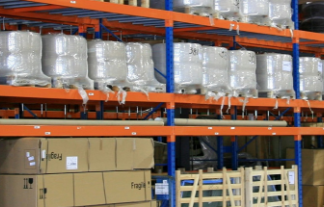
When it comes to optimizing storage and enhancing operational efficiency, pallet racking systems are indispensable. Selecting the right pallet racking system can significantly impact the functionality and scalability of a warehouse. With a plethora of options available, understanding the key factors to consider ensures that the selected system aligns with specific business needs.
Understanding Your Storage Needs
Before diving into the types of pallet racking systems, it’s crucial to assess the specific storage requirements. This foundational step ensures that the chosen solution supports both current and future business operations.
- Inventory Type: Consider the size, weight, and type of inventory. This will determine the load capacity and design of the racking system.
- Space Utilization: Analyze the available warehouse space. Vertical and horizontal space utilization will influence the type of racking system that fits best.
- Accessibility: Determine how frequently items need to be accessed. High turnover items might require more accessible systems.
Types of Pallet Racking Systems
Different racking systems offer unique benefits, tailored to specific operational needs. Understanding these can guide a more informed decision.
Selective Pallet Racking
Selective pallet racking is the most common and straightforward system. It allows direct access to each pallet and is ideal for warehouses that store a wide variety of products.
- Flexible and easily adjustable.
- Cost-effective with straightforward assembly.
- Suitable for first-in, first-out (FIFO) inventory systems.
Discover expert strategies here.
Drive-In and Drive-Thru Racking
These systems are designed for high-density storage, allowing forklifts to drive directly into the structure to load or retrieve pallets.
- Maximizes storage capacity.
- Best for last-in, first-out (LIFO) inventory systems.
- Ideal for storing large quantities of homogenous products.
Learn about our tailored solutions.
Push Back Racking
Push back racking systems allow pallets to be stored on a series of inclined rails, enabling easy access and retrieval.
- Increases storage density with fewer aisles.
- Supports both FIFO and LIFO inventory management.
- Efficient for high-rotation products.
Explore advanced guides and tips.
Factors Influencing Your Decision
While understanding the types of racking systems is essential, other factors play a crucial role in the decision-making process. Consider the following:
- Budget Constraints: Evaluate the installation and maintenance costs of each system to ensure financial feasibility.
- Safety Regulations: Compliance with safety standards is non-negotiable to prevent accidents and ensure operational safety.
- Scalability: Choose a system that can easily adapt to changing storage needs as the business grows.
Find out more about this approach.
Conclusion
Choosing the right pallet racking system is a strategic decision that impacts warehouse efficiency, safety, and scalability. By thoroughly assessing storage needs, understanding the types of racking systems, and considering key influencing factors, businesses can optimize their storage solutions effectively. For more comprehensive insights and expert guidance, consider exploring additional resources and tailored solutions.
