Convenient EV Charging Station Cables for Seamless Charging
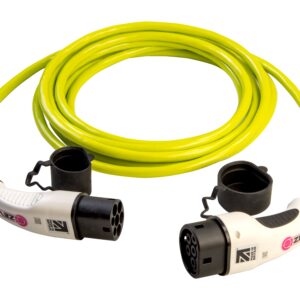
The evolution of electric vehicles (EVs) has brought about significant changes in the way we think about transportation and energy consumption. As more consumers transition to electric vehicles, the demand for efficient and reliable charging solutions has increased exponentially. One of the key components to ensure seamless EV charging is the charging station cable. The right cable not only guarantees optimal performance but also enhances the convenience of using an electric vehicle. This article delves into the various aspects of EV charging station cables, emphasizing their role in effortless charging experiences.
Understanding EV Charging Station Cables
Electric vehicle charging cables are an integral part of the EV charging ecosystem. They connect the electric vehicle to the charging station, facilitating the flow of electricity. Understanding the types and functionalities of these cables can significantly improve the charging experience.
Types of EV Charging Cables
- Type 1: This type is primarily used in North America and Japan. It features a five-pin design and is suitable for single-phase electricity.
- Type 2: Commonly used in Europe, this seven-pin design supports both single-phase and three-phase electricity, making it more versatile.
- CCS (Combined Charging System): Known for its fast-charging capabilities, CCS integrates the Type 2 design with additional pins for rapid charging.
- CHAdeMO: This is a popular standard for fast charging, particularly in Asian markets. It supports bi-directional charging, which can be beneficial for vehicle-to-grid applications.
For more detailed insights into the types of cables and their specific uses, explore advanced guides and tips.
Choosing the Right Cable for Seamless Charging
Selecting the appropriate charging cable depends on several factors, including the vehicle model, the charging station’s compatibility, and the required charging speed. Here are some considerations to keep in mind:
- Compatibility: Ensure that the cable is compatible with both the vehicle and the charging station’s interface.
- Length: The cable should be long enough to comfortably reach the vehicle’s charging port without causing stress or tension.
- Durability: Opt for cables designed to withstand environmental elements, such as extreme temperatures and water exposure.
- Power Rating: The cable’s power rating should match the vehicle’s charging capacity to avoid overheating and ensure efficient charging.
To better understand how to choose the right cable, find out more about this approach.
Maintenance and Safety Tips
Proper maintenance of EV charging cables is essential for safety and longevity. Regular inspections and adherence to safety protocols can prevent accidents and extend the cable’s life.
- Regular Inspections: Check for any signs of wear and tear, such as frayed wires or exposed conductors.
- Storage: Store cables in a dry and safe place away from direct sunlight or moisture when not in use.
- Handling: Avoid pulling the cable from the cord; instead, use the plug for disconnection.
- Professional Checks: Schedule routine professional inspections to ensure the cable’s integrity and performance.
To maintain optimal safety standards, discover expert strategies here.
Conclusion
The convenience and efficiency of EV charging largely depend on the choice and maintenance of charging station cables. By understanding the different types of cables, choosing the right one, and following proper maintenance protocols, electric vehicle owners can enjoy a seamless and efficient charging experience. For those seeking expert advice and tailored solutions, learn about our tailored solutions.
