Lager Cans 101: A Comprehensive Overview of Your Favorite Brew
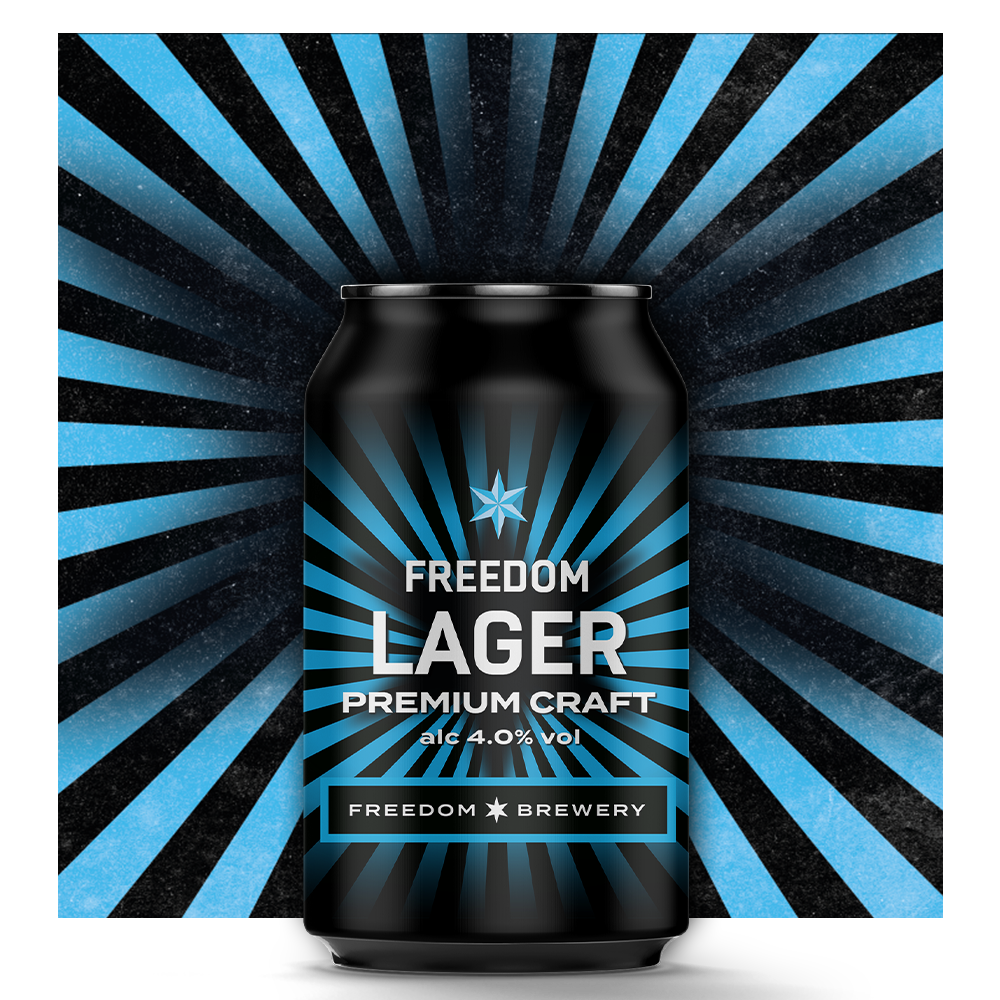
Lager, a type of beer known for its crisp and clean taste, has been a favorite among beer enthusiasts worldwide. While it comes in various forms, the convenience and portability of lager cans have made them particularly popular. This guide delves into the fascinating world of lager cans, providing insights into their history, production, and the reasons behind their widespread appeal. Whether you’re a seasoned lager lover or a curious newcomer, understanding the nuances of this brew will enhance your appreciation for this beloved beverage.
The History of Lager Cans
The journey of lager cans dates back to the mid-20th century when canning technology revolutionized the beer industry. Initially, beer was predominantly bottled, but the introduction of cans offered several advantages:
- Durability: Cans are less prone to breakage compared to glass bottles.
- Light Protection: Cans provide better protection against light, which can spoil the beer by causing “skunky” flavors.
- Portability: Their lightweight nature makes cans easier to transport and store.
These factors contributed to the rapid adoption of lager cans, making them a staple in modern beer consumption.
Production Process
Brewing Lager
The production of lager involves a meticulous brewing process that distinguishes it from other types of beer. The key steps include:
- Malt Selection: The process begins with selecting quality malt, which provides the sugars necessary for fermentation.
- Hops Addition: Hops are added for bitterness and aroma, balancing the sweetness of the malt.
- Fermentation: Lager yeast is used, which ferments at cooler temperatures, resulting in a clean and crisp flavor profile.
Canning the Brew
Once the lager is brewed, it undergoes a careful canning process to ensure quality and freshness. The key steps include:
- Filling: The brewed lager is carefully filled into cans, minimizing air exposure to prevent oxidation.
- Sealing: Cans are sealed tightly to maintain carbonation and prevent contamination.
- Packaging: The sealed cans are packaged, ready for distribution to beer enthusiasts everywhere.
For more details on the production and availability of lager cans, explore our comprehensive resources.
Why Opt for Lager Cans?
Lager cans offer several benefits that make them an attractive choice for both casual drinkers and connoisseurs:
- Environmental Impact: Aluminum cans are highly recyclable, contributing to a more sustainable environment.
- Faster Cooling: Cans chill faster than bottles, making them ideal for spontaneous gatherings and quick refreshment.
- Space Efficiency: Their stackable design maximizes storage space in refrigerators and coolers.
These advantages have cemented the position of lager cans as a preferred packaging option in the brewing industry.
Conclusion: The Future of Lager Cans
As the beer industry continues to innovate, lager cans remain a cornerstone of beer packaging. Their blend of practicality, sustainability, and ability to preserve the freshness of the brew ensures that they will continue to be a popular choice among beer drinkers. Whether you’re enjoying a can at a beach picnic or savoring it at a backyard barbecue, lager cans offer a reliable and enjoyable beer drinking experience. For those interested in exploring different varieties and flavors, the world of lager cans offers a wide array of choices to satisfy every palate.
