The Ultimate Guide to Standard Pallets: Everything You Need to Know
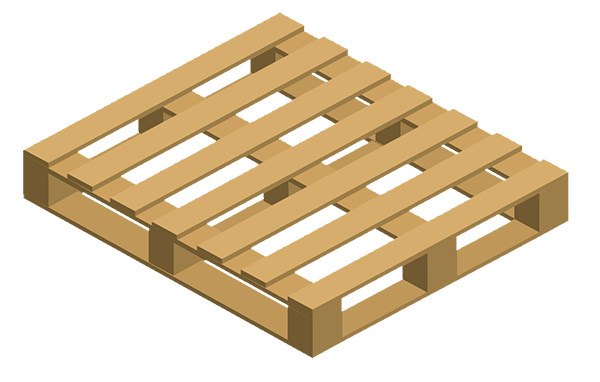
Pallets are ubiquitous in the world of logistics and warehousing, offering a reliable and efficient means of storing and transporting goods. Among the various types of pallets available, standard pallets hold a significant place due to their uniformity and versatility. This comprehensive guide delves into everything you need to know about standard pallets, shedding light on their dimensions, types, applications, and benefits. Whether you’re a novice in the logistics field or a seasoned professional, understanding the nuances of standard pallets can enhance your operational strategies and efficiency.
What Are Standard Pallets?
Standard pallets refer to pallets that adhere to commonly accepted dimensions and materials, ensuring compatibility with a variety of transportation and storage systems. These pallets offer a baseline for efficiency and interoperability in supply chain processes.
Common Dimensions
Standard pallets are typically defined by specific dimensions that vary slightly based on regional standards:
- In North America, the standard pallet size is 48″ x 40″.
- For European countries, the standard pallets measure 1200mm x 800mm, known as Euro pallets.
- Asian regions often utilize pallets measuring 1100mm x 1100mm.
Types of Standard Pallets
Standard pallets come in a variety of types based on the materials used for construction, each offering unique benefits:
Wooden Pallets
- Constructed from hardwood or softwood.
- Durable and repairable, making them a popular choice for many industries.
- Environmentally friendly as they are recyclable and biodegradable.
Plastic Pallets
- Lightweight and resistant to moisture and chemicals.
- Ideal for industries that require cleanliness and hygiene, such as food and pharmaceuticals.
- Long-lasting, though generally more expensive than wooden pallets.
Metal Pallets
- Typically made from steel or aluminum.
- Extremely durable and suitable for heavy-duty applications.
- Used in environments requiring high strength and durability.
Applications of Standard Pallets
Standard pallets are indispensable in various industries due to their adaptability and efficiency:
- Warehousing: Facilitate the easy handling and storage of goods, optimizing space and improving inventory management.
- Transportation: Ensure goods are securely packed and stable during transit, reducing the risk of damage.
- Retail: Aid in the swift movement and display of goods, supporting effective point-of-sale strategies.
Benefits of Using Standard Pallets
Incorporating standard pallets into logistical operations offers several advantages:
- Cost-Effectiveness: Their widespread availability makes them a cost-efficient solution for businesses of all sizes.
- Ease of Use: Their uniformity simplifies the processes of loading, unloading, and storage.
- Versatility: Compatible with various handling equipment, including forklifts and pallet jacks.
- Environmental Impact: Many standard pallets, especially wooden ones, are made from sustainable materials and can be recycled or reused.
Conclusion
Understanding the intricacies of standard pallets is crucial for optimizing logistics and supply chain operations. Their standardized dimensions and versatile material options make them a vital component in the smooth functioning of numerous industries. By leveraging the benefits of standard pallets, businesses can achieve greater efficiency, cost savings, and sustainability in their operations.
