Enhance Learning with Flexible Seating Solutions
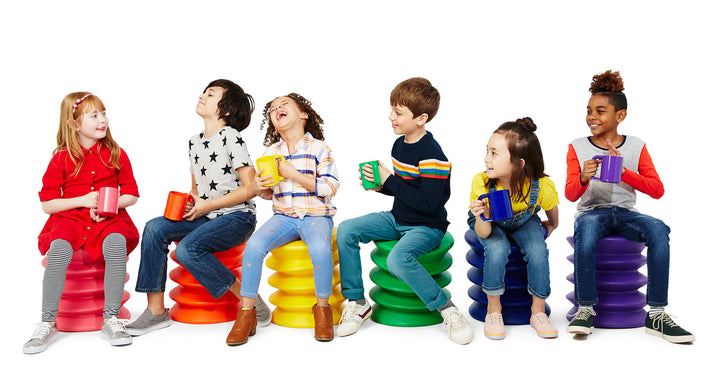
In recent years, educational environments have witnessed a significant transformation, with flexible seating solutions taking center stage in classrooms worldwide. The traditional setup of rows of desks and chairs is being replaced by innovative seating options that cater to the diverse needs of students. This shift is not merely aesthetic; it is rooted in research that underscores the benefits of flexible seating in enhancing student engagement, collaboration, and learning outcomes. By integrating a variety of seating choices, educators can create dynamic learning spaces that foster creativity and adaptability among students.
The Benefits of Flexible Seating
Flexible seating offers a multitude of advantages that extend beyond mere comfort. Here are some key benefits:
- Increased Engagement: Allowing students to choose their seating can boost their engagement levels. When students feel comfortable, they are more likely to participate actively in class discussions and activities.
- Enhanced Collaboration: Flexible seating arrangements can promote collaborative learning. By designing spaces that encourage movement and interaction, students can easily work together on projects, sharing ideas and fostering teamwork.
- Improved Focus: Different seating options cater to different learning preferences and needs. Some students may concentrate better on a bean bag, while others might prefer a standing desk. Providing these choices can significantly enhance focus and productivity.
- Physical Wellness: Options like wobble stools or standing desks can help students maintain better posture and increase physical activity, contributing to overall well-being.
For more details on implementing these solutions, discover expert strategies here.
Implementing Flexible Seating in Classrooms
Transitioning to a flexible seating classroom involves thoughtful planning and execution. Here’s how educators can effectively implement this approach:
Assessing Classroom Needs
Understanding the unique needs of students is the first step. Consider the following:
- Observe student behavior and preferences to determine which seating options might be most beneficial.
- Consult with students to gather feedback on their seating preferences and learning styles.
- Analyze the classroom layout to identify how to best utilize the available space.
Learn about our tailored solutions that cater to diverse classroom needs.
Choosing the Right Seating Options
Once the classroom needs are assessed, selecting the appropriate seating options is crucial. Consider these factors:
- Variety: Offer a range of seating choices, such as floor cushions, stability balls, and adjustable desks, to accommodate different student preferences.
- Durability: Choose high-quality, durable materials that can withstand regular use and movement within the classroom.
- Flexibility: Ensure that seating arrangements can be easily reconfigured to adapt to various teaching methods and activities.
Explore advanced guides and tips for selecting the best seating solutions.
Monitoring and Adjusting
After implementing flexible seating, continuous monitoring is essential to ensure its effectiveness. Here?s how to proceed:
- Regularly gather feedback from students to identify any issues or areas for improvement.
- Observe classroom dynamics to assess whether the seating arrangements are facilitating the desired outcomes.
- Be prepared to make adjustments as necessary, based on feedback and observations.
To optimize flexible seating over time, find out more about this approach.
Conclusion
Flexible seating solutions represent a progressive step toward creating more effective and engaging learning environments. By thoughtfully integrating diverse seating options, educators can cultivate a classroom atmosphere that not only supports academic achievement but also nurtures social interaction and physical health. As schools continue to innovate, flexible seating will undoubtedly play a pivotal role in shaping the future of education.
