Fear Flying Therapy: Your Path to Flying Confidence
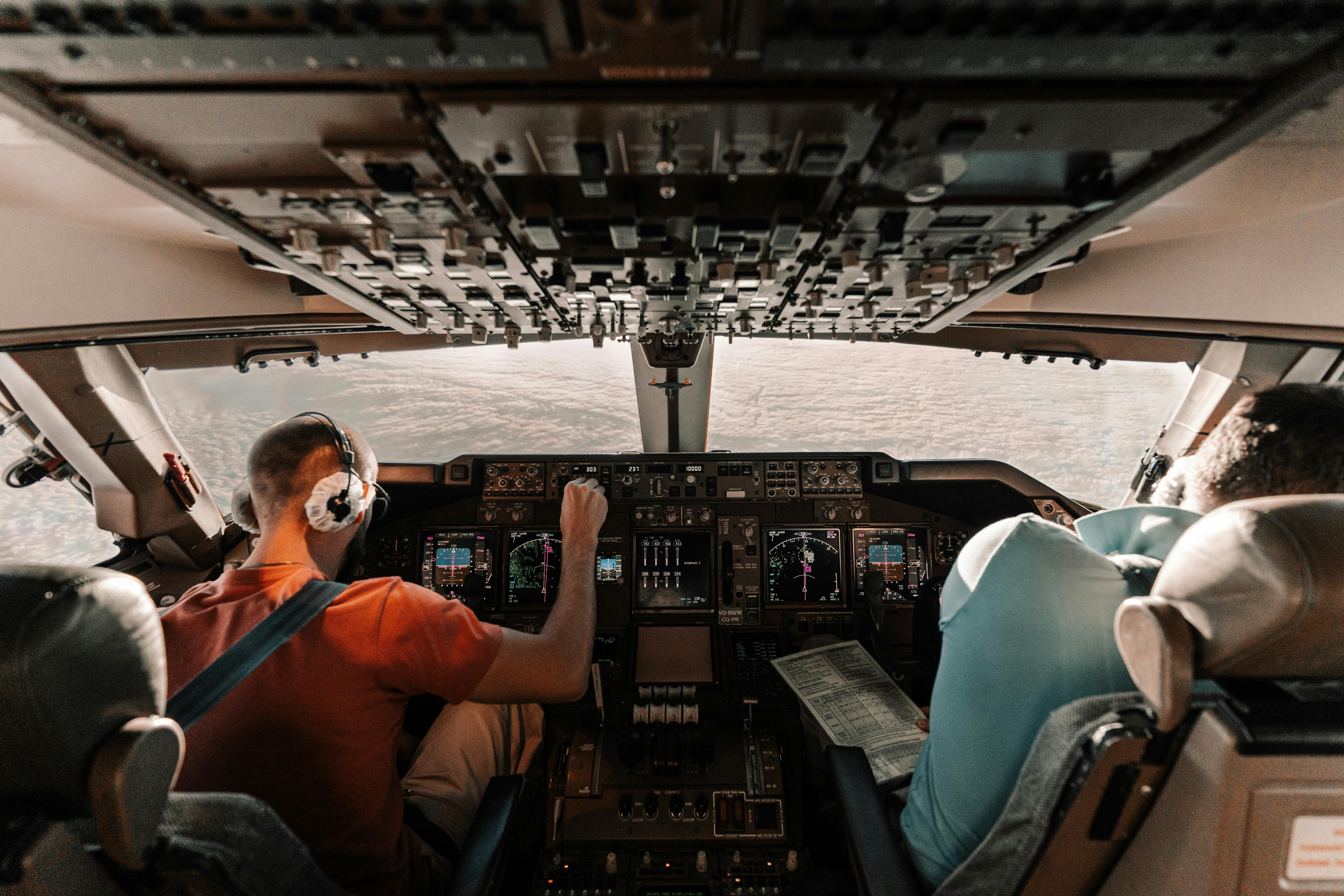
For many, the thought of flying can evoke feelings of anxiety and fear. This is not an uncommon experience, as flying involves relinquishing a degree of control and placing trust in the hands of others. However, this fear can significantly impact personal and professional lives, limiting opportunities for travel and adventure. Fortunately, fear flying therapy offers a pathway to overcoming these anxieties, allowing individuals to embrace air travel with confidence and ease.
Understanding Fear of Flying
Fear of flying, also known as aviophobia, can stem from various sources. Some of the most common triggers include:
- Fear of heights or enclosed spaces
- Previous traumatic flying experiences
- Anxiety over loss of control
- Concerns about turbulence or technical failures
Understanding the root cause of these fears is the first step toward addressing them. Each individual’s experience is unique, and exploring these triggers can aid in crafting a personalized approach to overcoming the fear.
Therapeutic Approaches to Overcoming Aviophobia
Cognitive Behavioral Therapy (CBT)
Cognitive Behavioral Therapy is widely recognized as an effective method for treating various phobias, including the fear of flying. This approach focuses on identifying and changing negative thought patterns and behaviors. CBT helps individuals understand their fear, manage their anxiety, and develop coping strategies. Learn more in this detailed guide.
Exposure Therapy
Exposure therapy involves gradual exposure to the feared object or situation, in this case, flying. This method allows the individual to become accustomed to the sensation of flying in a controlled environment, thus reducing anxiety over time. Virtual reality technology is often used to simulate flight experiences safely and effectively. Explore further insights here.
Mindfulness and Relaxation Techniques
Incorporating mindfulness and relaxation techniques can significantly aid in managing anxiety. Practices such as deep breathing exercises, meditation, and visualization can help calm the mind and body, making the prospect of flying less daunting. These techniques can be practiced both in anticipation of and during a flight. Find additional information here.
Preparing for a Flight with Confidence
Preparation plays a crucial role in fostering a sense of control and reducing anxiety before a flight. Some effective strategies include:
- Gathering information about the flight process and safety measures
- Choosing flights with convenient schedules to minimize stress
- Arriving at the airport early to avoid rushing
- Packing comfort items such as noise-canceling headphones or a favorite book
By taking these preparatory steps, individuals can approach their flying experience with a greater sense of assurance and peace of mind. Read more about this topic.
Building Long-Term Confidence
Overcoming the fear of flying is not an overnight process, but with consistent effort and the right therapeutic support, long-term confidence is achievable. It is important to celebrate small victories along the way and recognize progress, no matter how incremental. Continued practice of coping strategies and staying informed can reinforce newfound confidence and transform flying from a source of fear to one of excitement and opportunity.
Through understanding, preparation, and the application of therapeutic techniques, flying can become a comfortable and even enjoyable experience. Explore further insights here.
