Understanding Disabled Toilet Standards in Australia
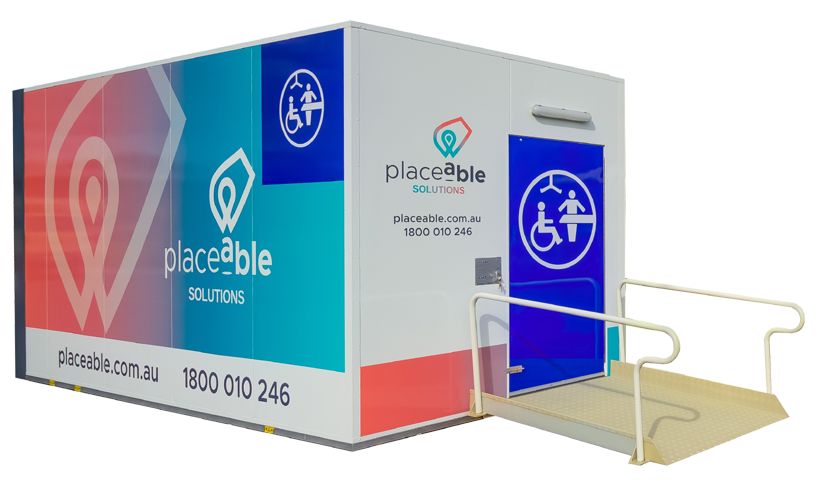
The importance of accessibility in public spaces cannot be overstated, particularly when it comes to restroom facilities. In Australia, significant strides have been made to ensure that disabled toilets are accessible to all individuals, regardless of their physical abilities. Understanding the standards for disabled toilets is crucial for architects, builders, and facility managers to create inclusive environments. These standards are not just guidelines but are essential requirements that must be adhered to in public buildings. This article delves into the key aspects of the disabled toilet standards in Australia, highlighting the importance of compliance and the impact on those who rely on these facilities.
Overview of Disabled Toilet Standards
The Australian Standards for accessible facilities, specifically AS1428, outline the necessary specifications for designing and constructing toilets that cater to individuals with disabilities. These standards ensure that facilities are not only accessible but also safe and convenient for all users. Compliance with these standards is legally required in public and commercial buildings.
Key Features of Compliant Disabled Toilets
Disabled toilets must integrate several key features to meet the standards:
- Space and Accessibility: Sufficient space is crucial to accommodate wheelchairs, mobility aids, and caregivers if necessary. The layout should allow for easy maneuverability.
- Door Specifications: Doors should be easy to open and close, with a minimum width to allow wheelchair access. They should also be fitted with accessible handles and locks.
- Grab Rails: These are mandatory and must be installed at specified heights and positions to aid in mobility and transfer.
- Fixtures and Fittings: Basins, mirrors, and dispensers should be at accessible heights and distances, ensuring ease of use without strain or difficulty.
- Signage: Clear and visible signage is necessary to guide users to the facilities. Signs should be in compliance with accessibility guidelines, including tactile features for the visually impaired.
Importance of Compliance
Compliance with the disabled toilet standards in Australia is more than a legal obligation. It signifies a commitment to inclusivity and accessibility, ensuring that all individuals have the dignity and independence they deserve when using public facilities. Non-compliance can lead to significant legal repercussions and negatively impact an organization’s reputation.
Benefits of Compliance
- Enhanced Accessibility: Compliant facilities ensure that everyone, including those with disabilities, can access essential services comfortably and independently.
- Legal Protection: Adhering to standards protects businesses from potential lawsuits and penalties associated with non-compliance.
- Improved Public Image: Organizations that prioritize accessibility are viewed more favorably by the public, enhancing their reputation and customer loyalty.
Steps to Ensure Compliance
Ensuring compliance with the disabled toilet standards involves several steps that must be carefully followed during the planning and construction phases:
- Consultation with Experts: Engage with accessibility consultants during the design phase to ensure all standards are met.
- Regular Training: Provide training for staff involved in the construction and maintenance of facilities to understand and implement compliance requirements.
- Routine Audits: Conduct regular audits and inspections of facilities to ensure ongoing compliance and address any issues promptly.
- Feedback Mechanisms: Implement systems for users to provide feedback on the accessibility of facilities, allowing for continuous improvement.
Understanding and implementing the standards for disabled toilets is an essential part of creating inclusive and accessible public spaces in Australia. Compliance not only fulfills legal requirements but also promotes a culture of equality and respect for all individuals. By following the guidelines and ensuring facilities meet the necessary standards, organizations can make a significant positive impact on the lives of those who rely on these essential services.
