Master Your Fear of Flying with Specialized Courses
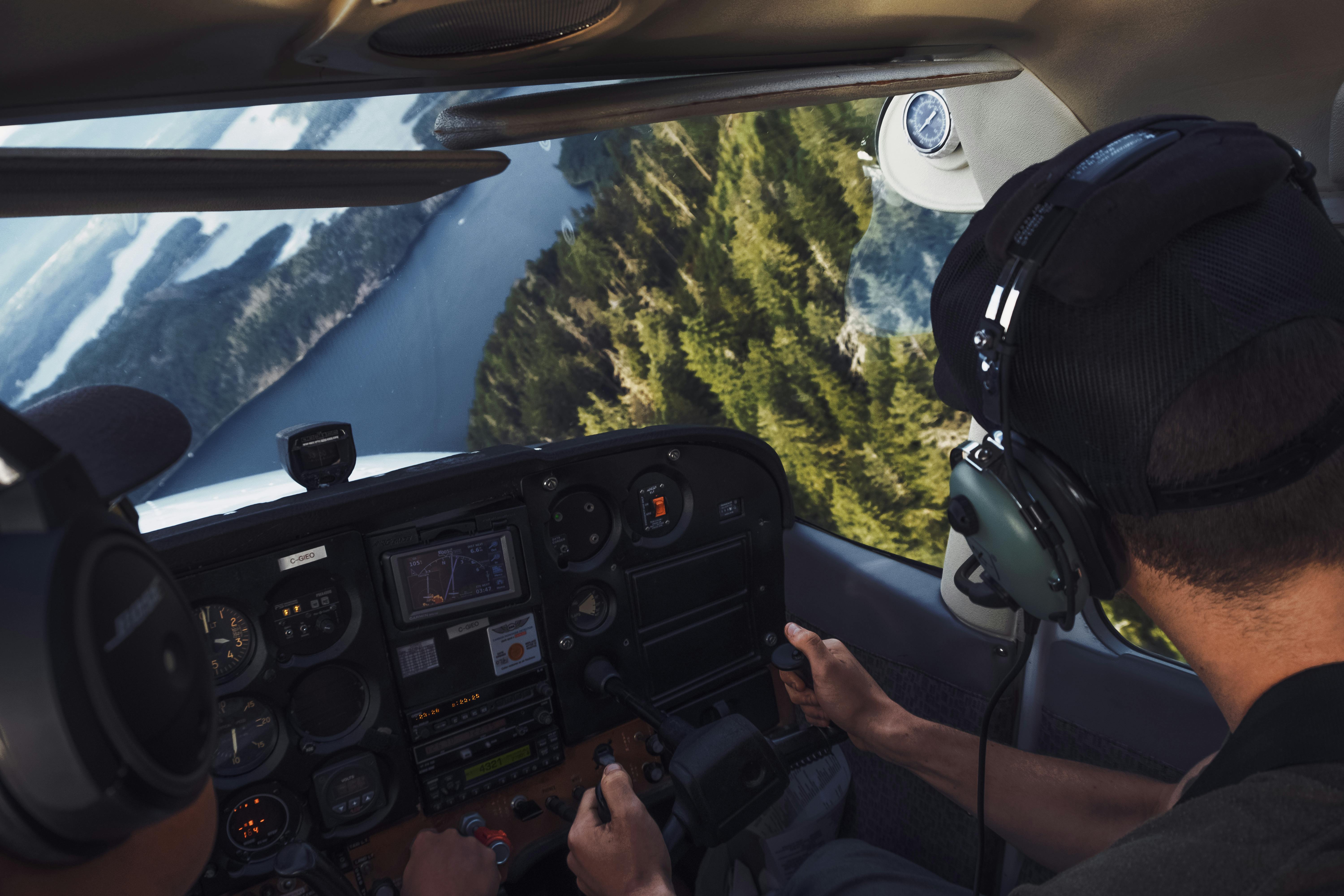
For many, the thought of flying can evoke feelings of apprehension and anxiety. A fear of flying, known as aviophobia, is more common than one might think, affecting approximately 25% of the population. The good news is that specialized courses are available to help individuals overcome this fear. These courses offer effective strategies and support, enabling individuals to fly with confidence and ease. By understanding the causes and triggers of aviophobia, these programs provide a structured approach to conquering this fear.
Understanding the Fear of Flying
Fear of flying can stem from a variety of factors, including a fear of heights, fear of enclosed spaces, or a lack of control. It is crucial to understand that this fear is a legitimate and recognized condition. Participants in fear of flying courses gain insight into the psychological and physiological aspects of this fear, enabling them to address their anxieties effectively.
Common Triggers of Aviophobia
- Turbulence: An unpredictable and uncontrollable aspect of flying that can heighten anxiety.
- Takeoff and Landing: The change in motion and pressure can be unsettling for nervous flyers.
- Media Influence: Sensationalized reports of aviation incidents can exacerbate fears.
- Lack of Control: Being a passenger means surrendering control, which can be distressing for some individuals.
Benefits of Specialized Courses
Engaging in a fear of flying course provides numerous benefits. These courses are designed to equip participants with the knowledge and tools needed to manage their fears effectively. Key benefits include:
- Expert Instruction: Courses often feature experienced pilots and psychologists who provide valuable insights.
- Structured Learning: Participants progress through a structured program that addresses both emotional and physical aspects of flying.
- Supportive Environment: Group settings allow participants to share experiences and support each other.
- Practical Techniques: Learn relaxation exercises and coping mechanisms to manage anxiety.
- Increased Confidence: Knowledge and practice lead to increased confidence in flying.
What to Expect from a Fear of Flying Course
Those considering a nervous flyer course can expect a comprehensive program tailored to their needs. Here is what participants typically experience:
Initial Assessment
An initial assessment helps identify the specific fears and concerns of each participant. This personalized approach ensures that the course content is relevant and effective.
In-Depth Education
Participants receive a thorough education on the mechanics of flying, safety procedures, and the roles of aviation personnel. This knowledge serves to demystify the flying experience and reduce anxiety.
Practical Sessions
Hands-on sessions, including simulated flight experiences, are a core component of courses for fear of flying. These simulations provide a safe environment to practice coping strategies and become accustomed to the sensations of flying.
Post-Course Support
Upon completion of a fear of flying help course, participants often have access to post-course support. This ongoing assistance can be invaluable for reinforcing skills and maintaining confidence.
Choosing the Right Course
When selecting a fear of flying course UK, it is important to consider factors such as the experience of the instructors, the comprehensiveness of the curriculum, and the level of post-course support offered. Researching various options and reading testimonials can be helpful in making an informed decision.
In conclusion, enrolling in a specialized course can be a transformative step for those looking to overcome fear of flying. With the right support and strategies, individuals can transform their travel experiences and embrace the freedom of flight.
