Why You Should Choose Organic Sun Protection
In recent years, there has been a growing awareness about the importance of protecting skin from the harmful effects of sun exposure. While many reach for conventional sunscreens, there is a compelling case for considering organic sun protection. Offering a harmonious blend of nature and science, organic sun protection products provide a viable alternative that prioritizes skin health and environmental responsibility. This article explores the reasons why opting for organic sun protection can be a beneficial choice.
The Benefits of Organic Sun Protection
When choosing sun protection, understanding the benefits of organic options can guide informed decisions. Organic sun protection products are crafted with natural ingredients, minimizing the risk of skin irritation and allergic reactions. Here are some key benefits:
- Environmentally Friendly: Organic products are often biodegradable and free from harmful chemicals that can damage marine life when washed off in the ocean.
- Gentle on Skin: Formulated with natural ingredients, these products are suitable for sensitive skin and reduce the likelihood of adverse reactions.
- Broad Spectrum Protection: Many organic sun protection products offer broad-spectrum UVA and UVB protection, safeguarding the skin from diverse sun damage.
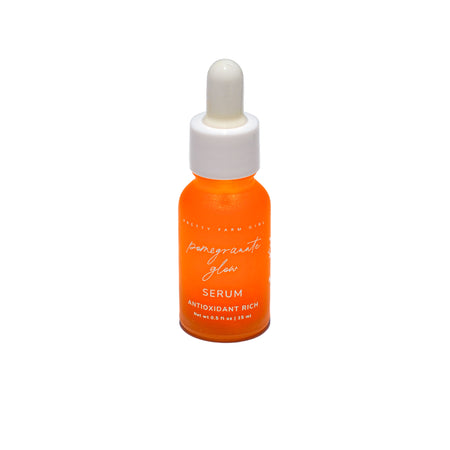
- Rich in Antioxidants: Ingredients like pomegranate and green tea provide antioxidant benefits, which can help fight free radicals and support skin health.
To delve deeper into the advantages of natural sun protection, find out more about this approach.
Ingredients to Look for in Organic Sun Protection
Choosing a product with the right ingredients is crucial for effective sun protection. Organic options are often enriched with natural components known for their protective properties:
Zinc Oxide
Known for its broad-spectrum protection, zinc oxide is a mineral sunscreen ingredient that sits on the skin’s surface, deflecting and scattering harmful UV rays. Unlike chemical sunscreens, it does not penetrate the skin, making it a safer choice.
Titanium Dioxide
Similar to zinc oxide, titanium dioxide provides a physical barrier against the sun. It is a non-comedogenic ingredient, meaning it won’t clog pores, which is beneficial for those with acne-prone skin.
Natural Oils and Extracts
Organic sun protection products often include oils such as jojoba, coconut, and sunflower, which moisturize and nourish the skin. Additionally, extracts like aloe vera and chamomile provide soothing and anti-inflammatory benefits.
Discover expert strategies here to enhance your understanding of these ingredients.
Environmental and Health Considerations
The use of organic sun protection is not only a choice for personal health but also an environmental responsibility. Conventional sunscreens can contain oxybenzone and octinoxate, chemicals that contribute to coral bleaching and harm marine ecosystems. By choosing organic options, consumers support the preservation of ocean habitats and reduce their ecological footprint.
Furthermore, organic sun protection products are generally free from synthetic fragrances and dyes, reducing the risk of endocrine disruption and other health concerns. For those prioritizing both personal well-being and environmental sustainability, organic sun protection presents a conscientious choice.
To learn more about sustainable skin protection, explore advanced guides and tips.
Making the Switch to Organic Sun Protection
Transitioning to organic sun protection involves a few thoughtful considerations:
- Read Labels Carefully: Ensure that the product is certified organic and free from harmful chemicals.
- Patch Test New Products: Always test a small area of skin to check for any allergic reactions.
- Consider Skin Type: Choose products that cater to your specific skin needs, whether it?s dryness, sensitivity, or oiliness.
For those eager to make a positive change, learn about our tailored solutions for effective and sustainable sun protection.
By opting for organic sun protection, individuals not only invest in their skin’s long-term health but also contribute to a more sustainable future. Embrace the benefits of nature and make a conscious choice that aligns with personal and environmental values.
