Ensure Long-Term Functionality with Reliable Septic Inspection Services
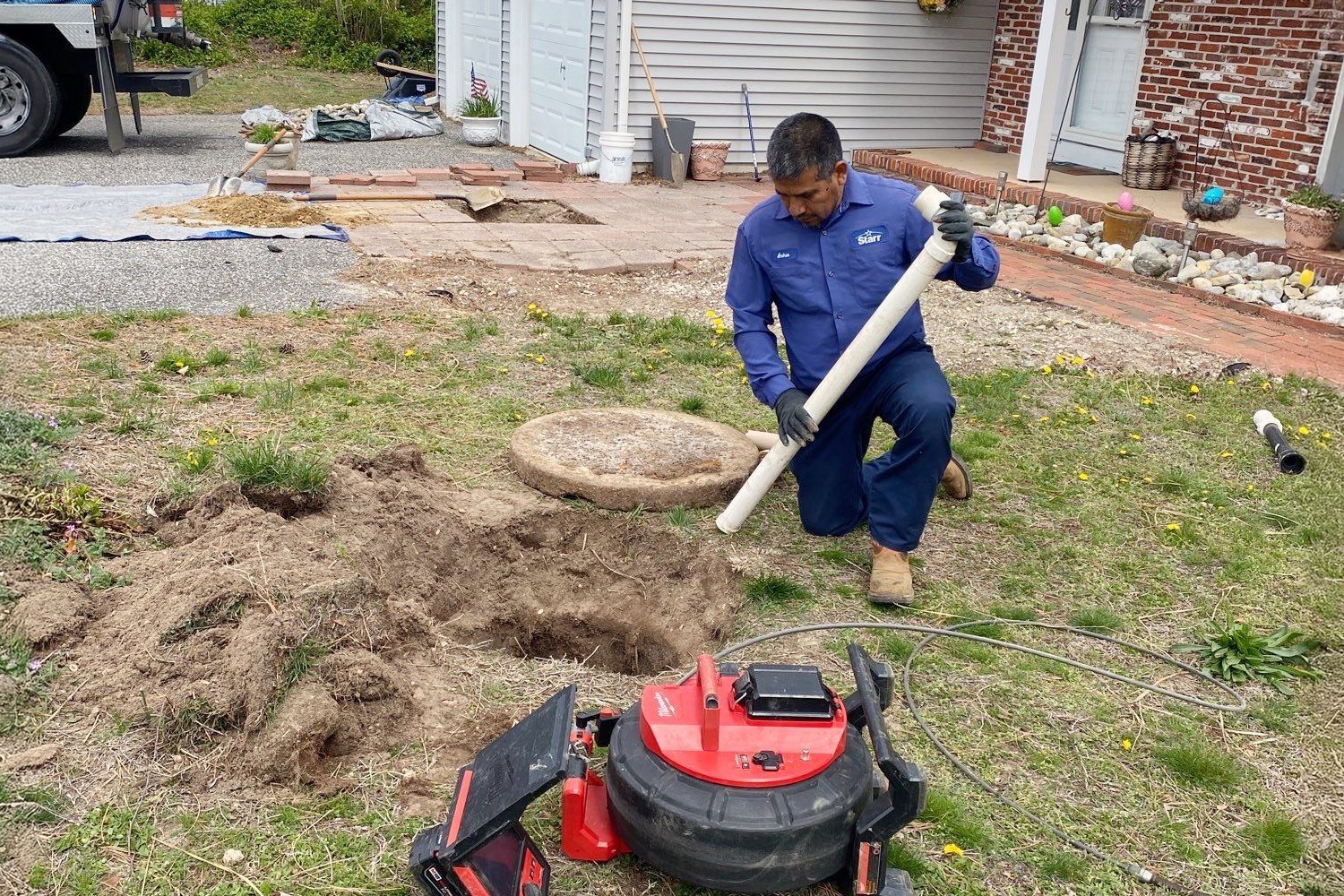
Septic systems are critical components of residential and commercial properties, efficiently managing wastewater and protecting the environment. For homeowners and property managers, maintaining the long-term functionality of these systems is paramount. Regular inspections by professionals ensure that septic systems operate seamlessly, preventing costly repairs and environmental hazards. Investing in reliable septic inspection services is a proactive measure that safeguards both property value and public health. This article delves into the importance of consistent septic inspections, what they entail, and how to choose the right service provider.
The Importance of Regular Septic Inspections
Septic systems are often out of sight and out of mind, yet they play a crucial role in safe wastewater management. Regular inspections are essential for several reasons:
- Early Detection of Issues: Inspections can identify potential problems before they escalate into significant issues, saving time and money.
- Compliance with Regulations: Local regulations often require septic systems to be inspected periodically to ensure compliance with safety and environmental standards.
- Environmental Protection: A well-maintained septic system prevents harmful contaminants from entering the groundwater, protecting ecosystems and drinking water supplies.
- Increased Property Value: Properties with well-maintained septic systems are often more attractive to buyers, reflecting reliable maintenance and care.
What to Expect During a Septic Inspection
Understanding what a septic inspection involves can help property owners better prepare for the process. Typically, a comprehensive inspection will include:
- Visual Inspection: The inspector will visually assess the septic tank, checking for signs of leaks, cracks, or structural damage.
- System Testing: Functional tests are conducted to ensure that the system is processing wastewater correctly and efficiently.
- Sludge and Scum Measurements: The levels of sludge and scum are measured to determine if the tank requires pumping.
- Drain Field Evaluation: The inspector will evaluate the drain field to ensure it is absorbing water properly and not showing signs of failure.
Choosing a Reliable Septic Inspection Service
When selecting a service provider for septic inspection, consider the following factors to ensure reliability and quality:
- Experience and Expertise: Look for providers with a proven track record and expertise in septic system inspections.
- Certifications and Licenses: Verify that the service provider is certified and licensed to perform septic inspections in your area.
- Customer Reviews: Reading reviews can provide insight into the quality of service. Check out customer reviews here for feedback from others.
- Comprehensive Services: Opt for a provider that offers a full range of services, including inspections, maintenance, and repairs.
For those seeking septic inspection services, it is important to choose a provider that aligns with these criteria to ensure thorough and accurate assessments.
Conclusion
Maintaining the functionality of a septic system is crucial for environmental protection, health safety, and property value. Regular, professional inspections are a key component of effective septic system management. By choosing the right service provider, property owners can ensure their systems remain in optimal condition, preventing potential issues and ensuring compliance with all relevant regulations. Septic inspection services play a vital role in this ongoing maintenance, offering peace of mind and long-term reliability.
