Top Strategies for Sports Injury Recovery
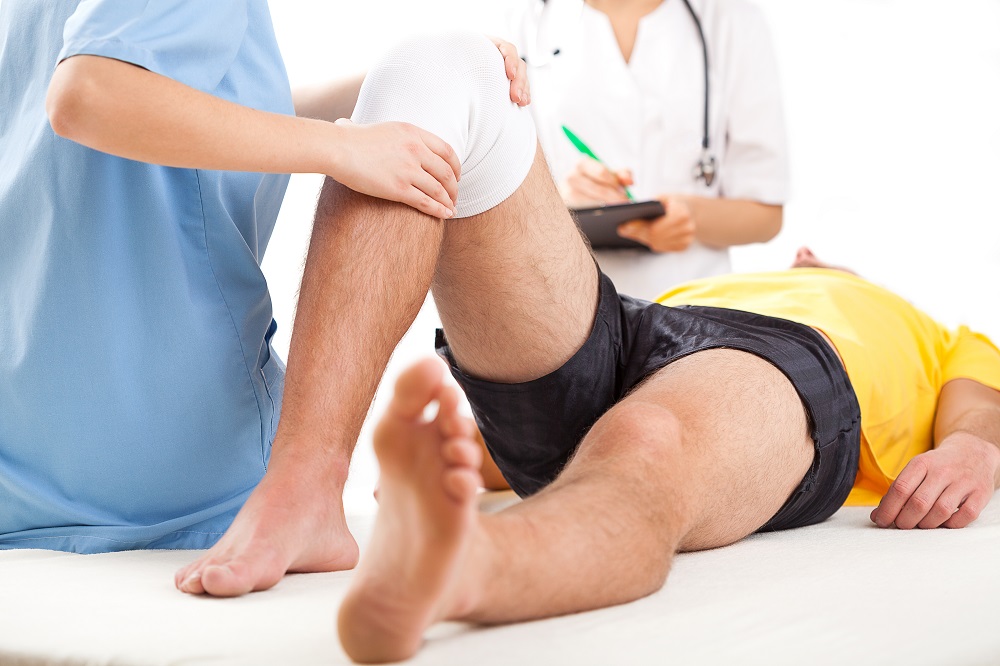
Engaging in sports is a great way to maintain physical health, but it also comes with the risk of injury. Whether it’s a sprain, strain, or more serious ligament damage, recovering from sports injuries requires a strategic approach to ensure a swift and effective return to activity. The process involves a combination of rest, rehabilitation, and often, professional guidance. Understanding the most effective strategies for sports injury recovery can significantly impact recovery time and overall health outcomes.
Immediate Response to Injury
When a sports injury occurs, the immediate response can set the tone for recovery. The R.I.C.E. method is widely recommended:
- Rest: Avoid putting weight on the injured area to prevent further damage.
- Ice: Apply ice packs to reduce swelling and numb the pain.
- Compression: Use bandages to limit swelling and support the injured area.
- Elevation: Keep the injured area raised above heart level to decrease swelling.
Implementing these initial steps can make a substantial difference in the severity and duration of the injury. For more comprehensive guidance on initial injury management, discover expert strategies here.
Rehabilitation and Physical Therapy
Rehabilitation is a critical component of sports injury recovery. It often involves physical therapy, which is tailored to the individual’s specific needs. Physical therapy aims to restore movement, improve strength, and prevent future injuries. Key elements include:
Strength Training
Strengthening the muscles around the injured area can provide better support and reduce the risk of re-injury. A physical therapist can design exercises that target these areas without overexerting the injury.
Flexibility Exercises
Improving flexibility can aid in a smoother recovery. Stretching exercises help maintain the range of motion and prevent stiffness.
Balance and Coordination
Re-establishing balance and coordination is essential, particularly for athletes. Exercises that focus on these skills can help regain stability and improve overall performance.
For those seeking professional rehabilitation services, learn about our tailored solutions for effective recovery.
Nutrition and Hydration
The role of nutrition and hydration in recovery should not be underestimated. A well-balanced diet can promote healing and replenish energy stores.
- Protein: Essential for repairing tissues and building new muscle.
- Vitamins and Minerals: Vitamin C, zinc, and calcium are crucial for healing and bone health.
- Hydration: Adequate water intake supports cellular functions and helps flush out toxins.
To explore advanced guides and tips on nutrition’s role in recovery, explore advanced guides and tips.
Mental Health and Recovery
Mental resilience is an often overlooked aspect of sports injury recovery. The psychological impact of being sidelined can be challenging, and maintaining a positive attitude is crucial. Strategies to support mental health include:
- Setting Realistic Goals: Break down recovery into smaller, achievable milestones.
- Mindfulness and Relaxation: Practices like meditation can reduce stress and promote a positive outlook.
- Support Systems: Engaging with support groups or a mental health professional can provide encouragement and advice.
For more on how mental health intertwines with physical recovery, find out more about this approach.
Preventing Future Injuries
Preventing future injuries is as important as recovery itself. Incorporating preventive measures into regular training can safeguard against recurring issues. Consider the following:
- Proper Warm-up and Cool Down: Prepare muscles for activity and aid recovery post-exercise.
- Correct Technique: Ensures that movements do not strain the body unnecessarily.
- Regular Check-ups: Professional assessments can catch potential issues early.
For additional preventive strategies, explore advanced guides and tips on maintaining sports health.
In summary, recovering from a sports injury requires a holistic and informed approach. By integrating immediate care, rehabilitation, nutrition, mental health support, and preventive measures, individuals can ensure a safer and more effective recovery process. For detailed insights and professional support, discover expert strategies here.
