Designing an Effective Strength and Conditioning Program
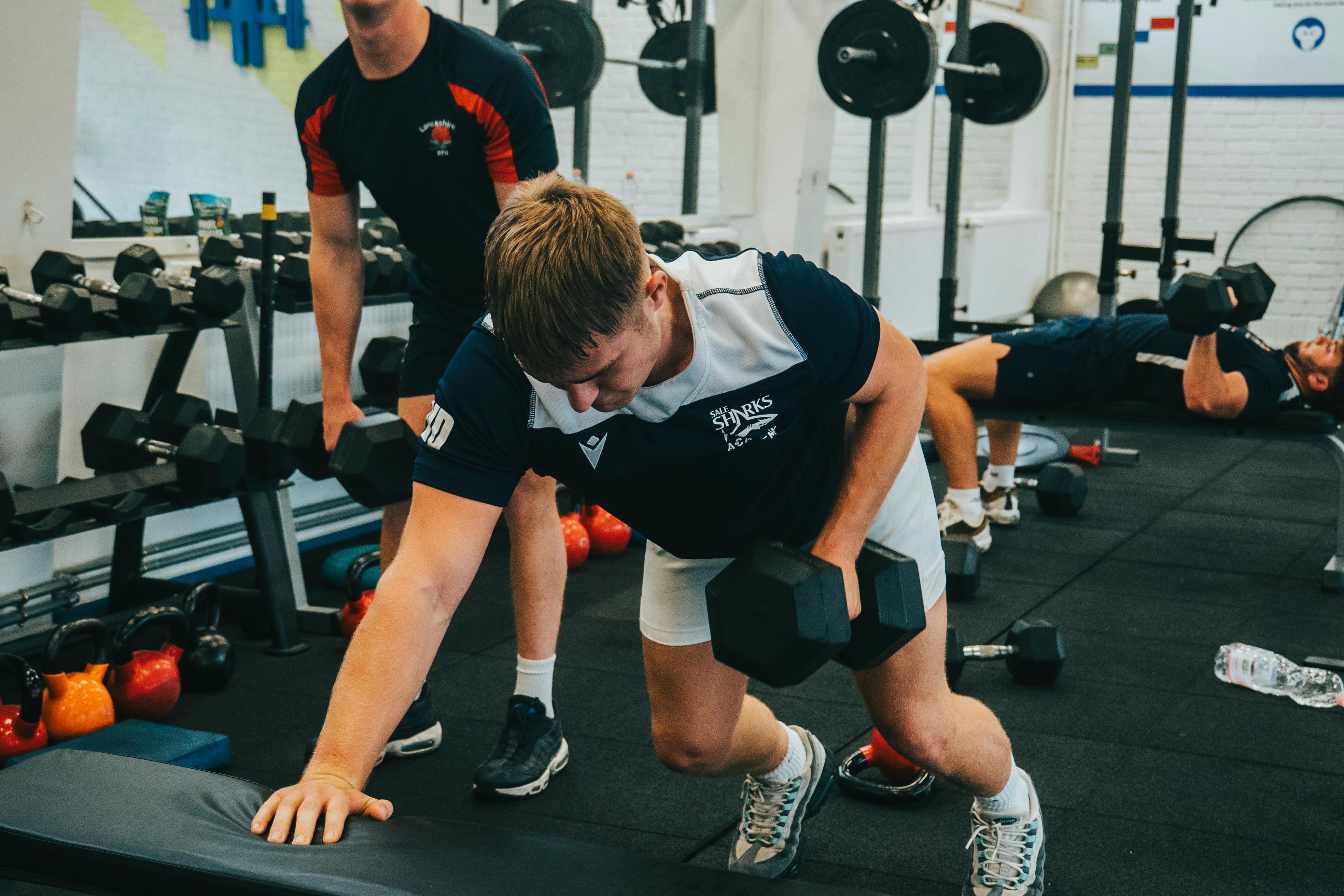
In the world of fitness and athletic performance, an effective strength and conditioning program is paramount. It serves as the foundation for enhancing physical capabilities, improving performance, and reducing the risk of injury. Such a program should be meticulously designed, taking into account the individual?s goals, current fitness level, and specific needs. The aim is to create a balanced regimen that incorporates various elements of strength and conditioning to promote overall athletic development.
Understanding the Basics of Strength and Conditioning
Strength and conditioning programs are not one-size-fits-all. They require a tailored approach to meet the unique needs of each individual. Central to this is understanding the basic components that any robust program should include:
- Strength Training: This involves exercises designed to improve muscular strength, such as weightlifting and resistance training.
- Conditioning: Focuses on cardiovascular fitness and endurance, often involving activities like running, cycling, or circuit training.
- Flexibility and Mobility: Essential for enhancing range of motion and preventing injuries, typically through stretching or yoga.
- Recovery: Incorporates rest and active recovery strategies to allow the body to heal and adapt.
For a comprehensive understanding of these elements, it might be beneficial to discover expert strategies here.
Developing a Personalized Program
To ensure optimal results, a strength and conditioning program should be personalized. This means taking into account:
- Individual Goals: Whether the aim is to build muscle, lose weight, or enhance athletic performance, goals should guide the program?s focus.
- Current Fitness Level: A realistic assessment helps in setting achievable targets and avoiding overtraining.
- Specific Needs: Considerations for age, body composition, and any physical limitations or previous injuries.
Professionals in the field can offer invaluable guidance. Explore advanced guides and tips to tailor a program that aligns with personal needs.
Implementing the Program
Setting a Routine
Consistency is crucial in any strength and conditioning regimen. Establishing a routine helps in maintaining discipline and tracking progress. A typical weekly schedule might include:
- Strength Training: 2-3 times a week.
- Conditioning Workouts: 2-3 times a week.
- Flexibility Sessions: At least 3 times a week.
- Rest Days: 1-2 days for recovery.
Learn about our tailored solutions to find a routine that fits your lifestyle and commitments.
Monitoring Progress
Regular assessment of progress is vital to ensure the program remains effective. This can involve:
- Tracking performance metrics such as strength gains or endurance improvements.
- Re-evaluating goals and adjusting the program as needed.
- Listening to the body to prevent overtraining and injuries.
Find out more about this approach to keep your program dynamic and responsive to your evolving needs.
Conclusion
Designing an effective strength and conditioning program is a dynamic process that requires careful planning and regular adjustments. By understanding the foundational elements, personalizing the approach, and maintaining a structured routine, individuals can achieve their fitness goals and enhance their physical capabilities. For those seeking further expertise in creating a comprehensive program, reaching out to professional resources can be immensely beneficial.
