The Ultimate Guide to Steel Cord Conveyor Belt Construction
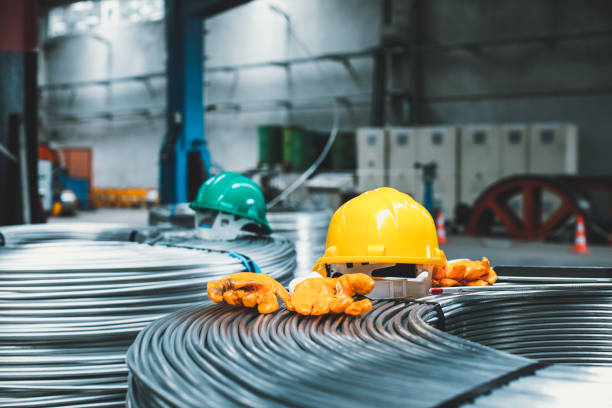
Steel cord conveyor belts are integral components in industries that require the robust and efficient transportation of bulk materials. These belts are known for their strength, durability, and ability to withstand high tensions, making them ideal for heavy-duty applications. Understanding the construction of steel cord conveyor belts is crucial for industries that rely on these systems for efficient material handling. This guide aims to provide a comprehensive overview of the construction, components, and advantages of steel cord conveyor belts, offering insights into why they are a preferred choice in demanding environments.
Key Components of Steel Cord Conveyor Belt Construction
The construction of a steel cord conveyor belt involves several critical components that work together to ensure the belt’s performance and durability. Understanding these components is essential for selecting the right belt for specific applications.
Steel Cords
Steel cords are the primary tension-bearing elements of the belt. They are designed to provide:
- High tensile strength
- Flexibility
- Resistance to elongation
These cords are made from high-quality steel, ensuring that the belt can withstand significant loads and stresses during operation.
Core Rubber
The core rubber in a steel cord conveyor belt serves as the medium that binds the steel cords together. Its functions include:
- Protecting the cords from environmental factors such as moisture and chemicals
- Providing flexibility and shock absorption
The core rubber must possess excellent adhesive properties to maintain the integrity of the belt.
Cover Rubber
The cover rubber is the outermost layer of the belt, offering protection and enhancing the belt’s performance. Key benefits include:
- Resistance to abrasion and impact
- Protection against harsh environmental conditions
- Improved traction and material handling capabilities
The selection of cover rubber materials is critical to meet specific industry requirements.
Advantages of Steel Cord Conveyor Belts
Steel cord conveyor belts offer numerous advantages over traditional fabric belts, making them an ideal choice for many industrial applications.
- Longevity: The robust construction ensures an extended lifespan, reducing the need for frequent replacements.
- High Tensile Strength: The strength of the steel cords allows these belts to handle heavy loads efficiently.
- Minimal Elongation: Steel cord belts experience minimal elongation, ensuring consistent performance.
- Improved Safety: Enhanced resistance to fire and chemicals increases operational safety.
Applications of Steel Cord Conveyor Belts
Steel cord conveyor belts are employed in various industries due to their versatile nature and durability. Some common applications include:
- Mining: Effective material handling in challenging environments
- Cement Industry: Conveying raw materials and finished products
- Power Plants: Efficient transportation of coal and other fuels
- Steel Manufacturing: Moving heavy inputs and outputs across the facility
Understanding Steel Cord Belt Joints
The steel cord belt joint is a critical aspect of belt performance. Properly executed joints ensure:
- Seamless operation and minimal downtime
- Enhanced longevity of the conveyor system
- Consistent tensile strength across the belt
Specifications and Customization
The steel cord conveyor belt specifications can be customized to meet specific industry needs. Customization options include:
- Variations in cord diameter and spacing
- Different cover rubber materials and thicknesses
- Specific belt widths and lengths
This flexibility allows industries to tailor the belts to their unique operational requirements, ensuring optimal performance and efficiency.
In conclusion, understanding the construction and advantages of steel cord conveyor belts is essential for industries that rely on efficient material handling systems. By selecting the right components and specifications, businesses can enhance their operational efficiency and ensure long-term success.
