How NDIS Day Programs Promote Wellbeing
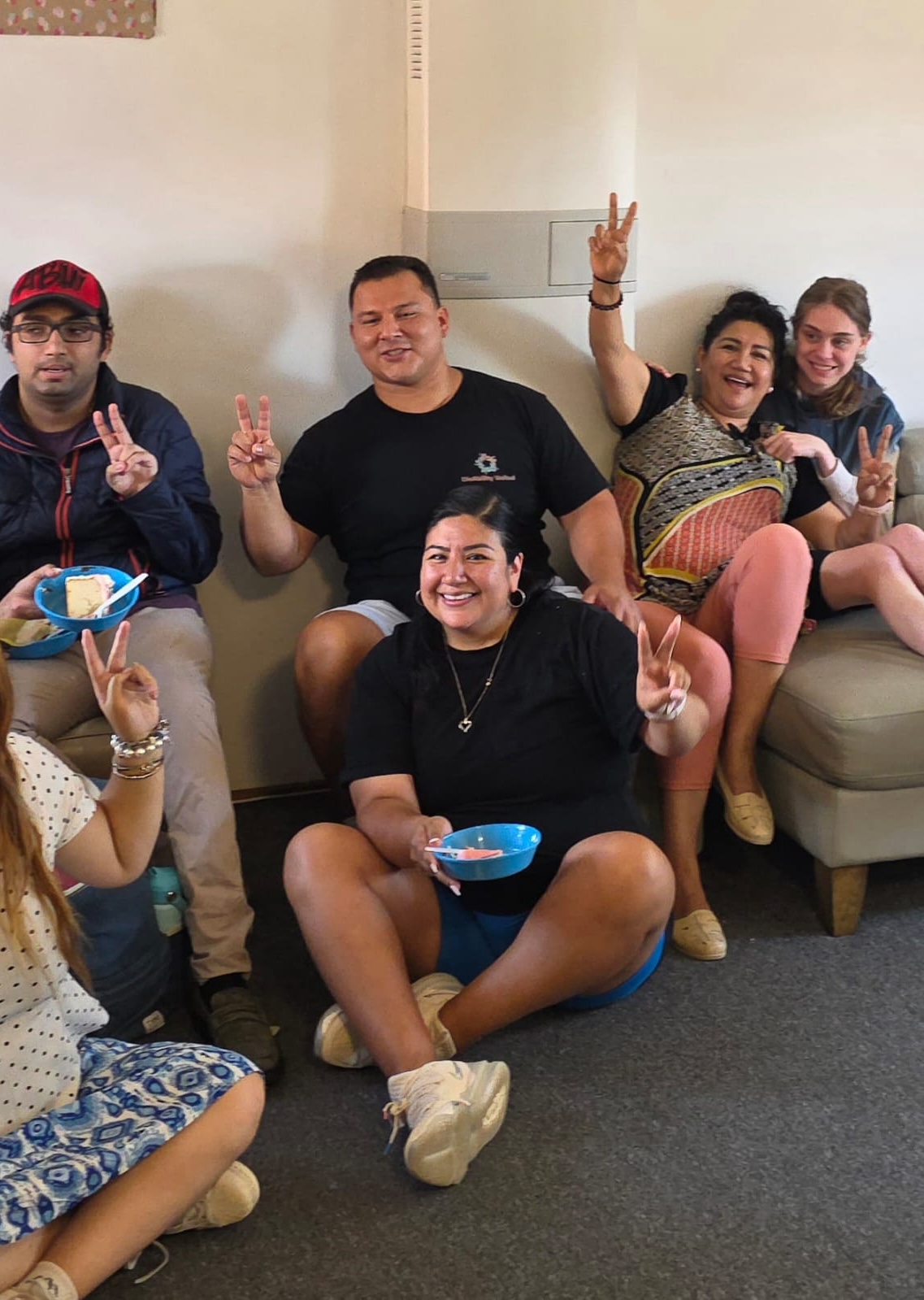
The National Disability Insurance Scheme (NDIS) day programs have emerged as a vital component in promoting the wellbeing and personal development of individuals with disabilities. These programs provide a structured environment where participants can engage in various activities designed to enhance their physical, emotional, and social health. By offering a range of services tailored to meet individual needs, NDIS day programs significantly contribute to improving the quality of life for participants.
Understanding the Role of NDIS Day Programs
NDIS day programs are designed to support individuals with disabilities in achieving their personal goals and aspirations. These programs emphasize the development of skills through various activities and services. Here are some key areas where NDIS day programs make a significant impact:
- Skill Development: Participants engage in activities that develop life skills, such as cooking, budgeting, and communication, which promote independence.
- Social Interaction: Social skills are cultivated through group activities, enabling participants to form meaningful relationships and improve social confidence.
- Physical Health: Regular physical activities are included to enhance physical wellbeing and encourage a healthy lifestyle.
- Emotional Support: Programs provide a supportive environment where participants can share their experiences and receive emotional support from peers and facilitators.
Enhancing Social Wellbeing
Social interaction is a crucial element of NDIS day programs, as it fosters a sense of community and belonging among participants. These programs offer a variety of group activities that help improve social skills and build friendships.
For those interested in understanding how social interactions can be optimized for wellbeing, explore advanced guides and tips on facilitating effective social engagement within NDIS day programs.
Activities Promoting Social Interaction
NDIS day programs incorporate activities that encourage social engagement, such as:
- Group Outings: Visiting local attractions or participating in community events to encourage interaction and community involvement.
- Workshops and Classes: Collaborative learning experiences that foster teamwork and communication.
- Support Groups: Facilitated sessions where participants can share experiences and support each other.
Fostering Emotional and Mental Health
Emotional and mental health is prioritized within NDIS day programs, offering participants a safe and nurturing environment to express themselves and manage their emotions effectively.
For a comprehensive understanding of strategies to support emotional health, discover expert strategies here.
Key Elements Supporting Emotional Wellbeing
- Therapeutic Activities: Art, music, and drama therapy sessions that provide creative outlets for emotional expression.
- Counseling Services: Access to professional support for personal challenges and emotional concerns.
- Mindfulness and Relaxation: Activities such as yoga and meditation to promote mental relaxation and stress reduction.
Promoting Independence and Personal Growth
One of the primary objectives of NDIS day programs is to empower individuals to lead more independent and fulfilling lives. By building essential life skills, participants are better equipped to handle daily challenges.
For further insights on fostering independence, learn about our tailored solutions that focus on personal growth and development.
Strategies for Building Independence
- Life Skills Training: Practical lessons in everyday tasks, such as personal hygiene, shopping, and using public transport.
- Goal Setting and Achievement: Helping participants set realistic goals and providing the support needed to achieve them.
- Decision-Making Skills: Encouraging autonomy by teaching participants how to make informed choices.
In conclusion, NDIS day programs play a pivotal role in promoting the wellbeing of individuals with disabilities by offering comprehensive support across various aspects of life. They help participants develop crucial skills, enhance social connections, and achieve greater independence. To delve deeper into the approaches and benefits of these programs, find out more about this approach.
