Green Building Certification: A Guide for Sustainable Construction
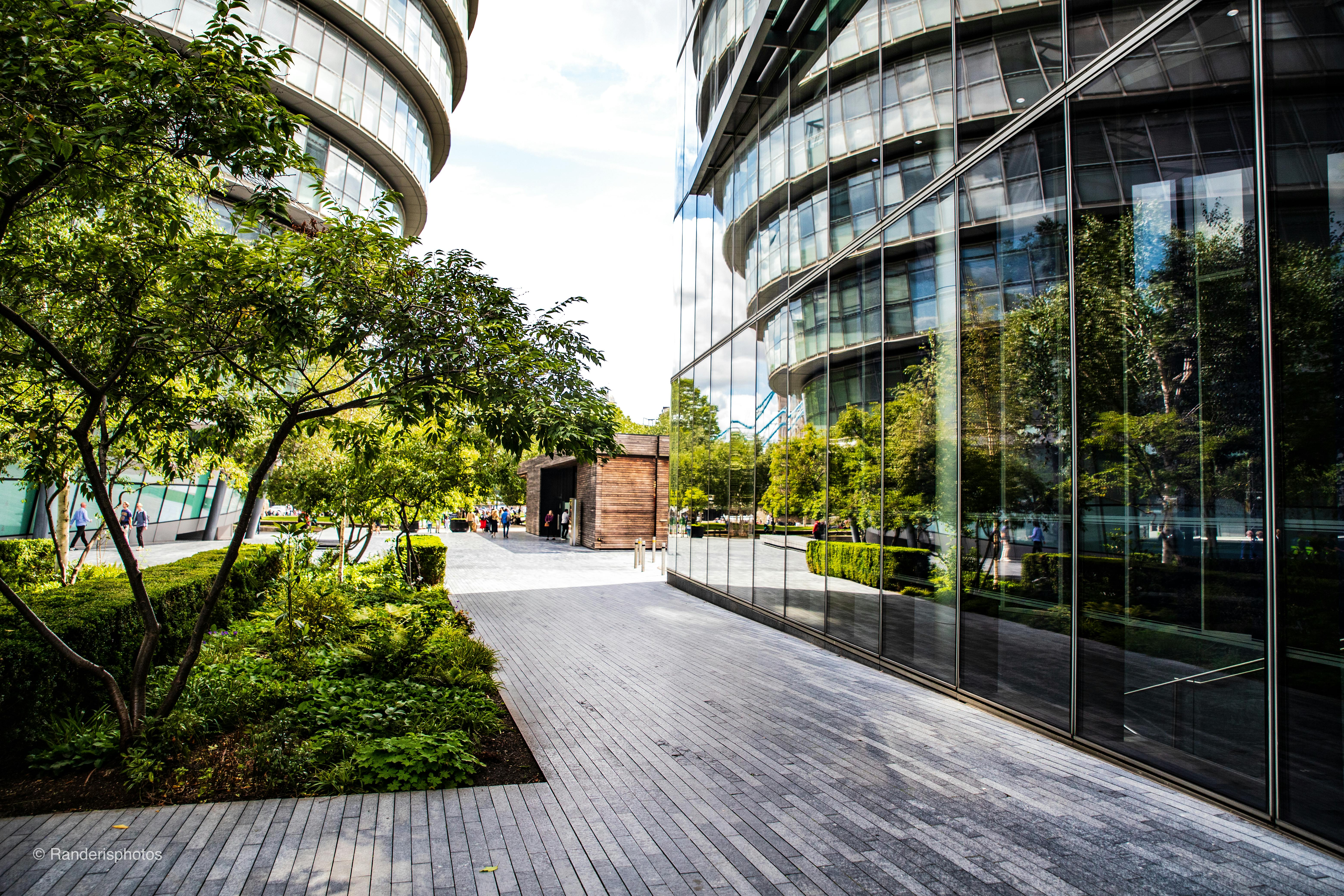
In an era where environmental sustainability is more critical than ever, green building certification has emerged as a vital component in the construction industry. These certifications offer a framework for design, construction, and operation that significantly reduces negative environmental impacts while enhancing the health and well-being of building occupants. With various certification systems available globally, understanding their significance and application is essential for architects, builders, and stakeholders aiming to foster sustainable development practices.
The Importance of Green Building Certification
Green building certification is not just a trend; it represents a commitment to sustainable, responsible development. Here are key reasons why these certifications are crucial:
- Environmental Impact: Certified buildings reduce energy consumption, lower water usage, and minimize waste, significantly lessening environmental footprints.
- Economic Benefits: Although initial costs may be higher, green buildings often result in lower operational costs, attracting higher property values and rental rates.
- Health and Well-being: These buildings provide improved indoor air quality, natural lighting, and acoustics, contributing to healthier living and working environments.
For more insights on sustainable construction, discover expert strategies here.
Types of Green Building Certification Systems
Numerous certification systems are available, each with its unique criteria and regional applicability. Here are some prominent ones:
LEED (Leadership in Energy and Environmental Design)
LEED is perhaps the most recognized green building rating system globally. It evaluates the environmental performance of a building and encourages market transformation towards sustainable design. Key areas assessed include:
- Energy and Atmosphere
- Materials and Resources
- Indoor Environmental Quality
- Sustainable Sites
- Water Efficiency
To delve deeper into LEED and its applications, learn about our tailored solutions.
BREEAM (Building Research Establishment Environmental Assessment Method)
Originating in the UK, BREEAM is one of the oldest certification systems. It assesses the sustainability of buildings in the following areas:
- Management
- Energy Use
- Health and Well-being
- Pollution
- Transport
- Water
- Materials
- Waste
- Land Use and Ecology
Explore advanced guides and tips here.
Other Notable Certifications
- WELL Building Standard: Focuses solely on the health and wellness of building occupants.
- Green Star: Popular in Australia, it assesses the environmental impact of buildings and communities.
- Living Building Challenge: One of the most stringent, requiring buildings to operate as cleanly, beautifully, and efficiently as nature’s architecture.
Find out more about this approach by visiting this page.
Steps to Achieve Green Building Certification
Achieving certification involves a structured process that varies slightly between different systems but generally includes the following steps:
- Project Registration: Begin by registering the project with the chosen certification body.
- Design and Planning: Incorporate sustainable practices and technologies into the design and planning stages.
- Documentation: Compile necessary documentation to demonstrate compliance with certification criteria.
- Verification and Review: Submit documentation for review and verification by third-party assessors.
- Certification: Upon successful review, the project receives certification.
Conclusion
Green building certification is a powerful tool for promoting sustainability in the construction industry. By understanding and implementing these certifications, stakeholders can contribute to a healthier planet while reaping economic and social benefits. As the demand for sustainable solutions grows, the knowledge and application of green building certifications will become indispensable. To further explore the intricacies of sustainable construction, explore advanced guides and tips.
