The Cost-Effective Solution: Installing Single Hung Windows in Your Home
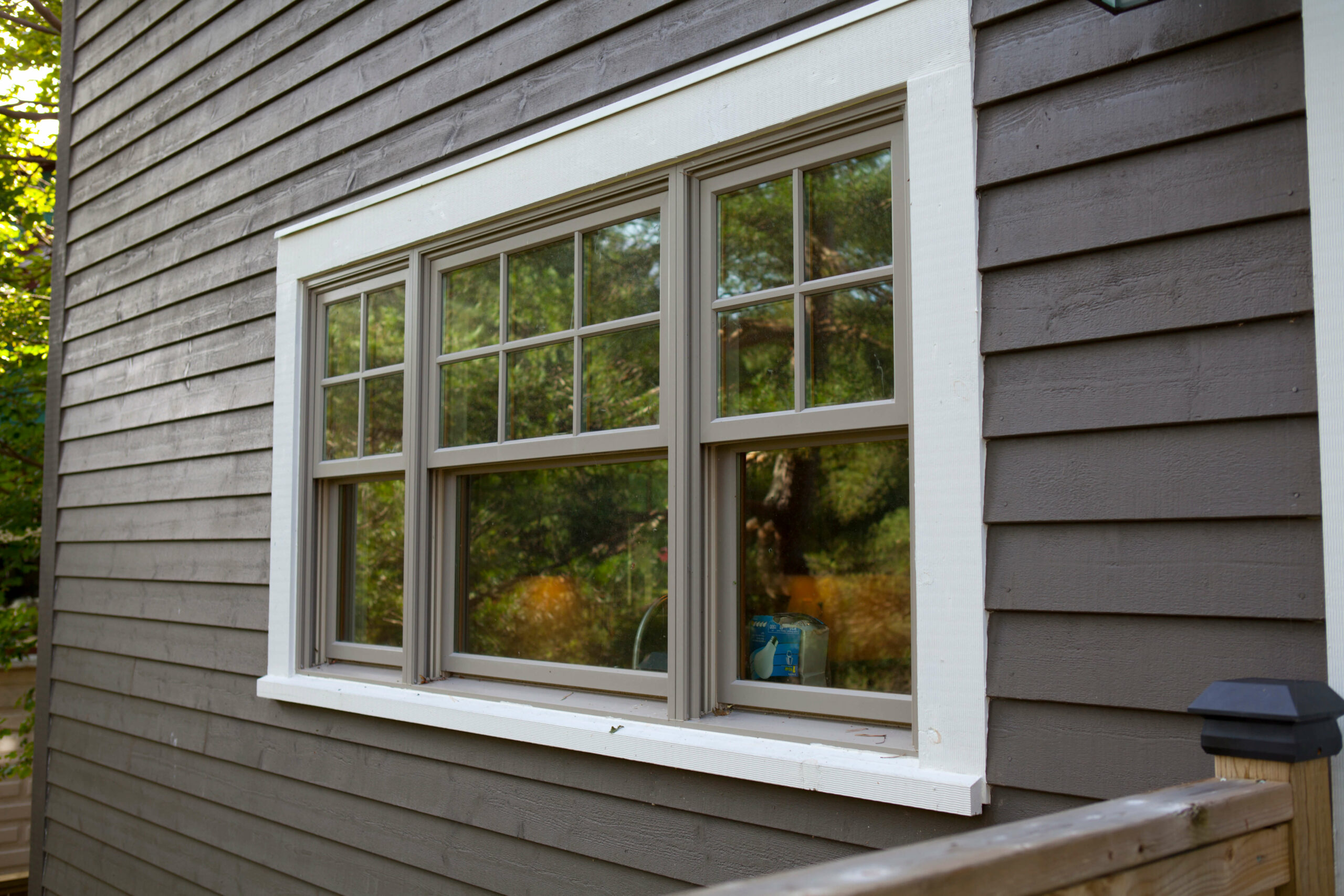
Finding the right windows for your home can be a daunting task, especially when trying to balance aesthetics, functionality, and cost. Among the available options, single hung windows emerge as a popular choice for homeowners seeking a cost-effective solution without compromising on quality. These windows are not only budget-friendly but also offer a classic look that complements various architectural styles. Understanding the benefits and considerations associated with single hung windows can guide homeowners towards making an informed decision.
Benefits of Single Hung Windows
Single hung windows are one of the most traditional window types, known for their simplicity and functionality. Here are some of the key benefits that make them a preferred choice:
- Affordability: Compared to other window styles, single hung windows are typically more affordable, making them an excellent choice for budget-conscious homeowners.
- Energy Efficiency: By reducing the number of moving parts, single hung windows provide a tighter seal which can lead to better energy efficiency and lower heating and cooling costs.
- Space-Saving Design: With only the bottom sash moving vertically, they are ideal for areas with limited space, as they do not protrude outward when opened.
- Low Maintenance: Fewer moving parts mean less that can go wrong, resulting in lower maintenance needs over time.
Considerations Before Installation
While single hung windows offer numerous benefits, there are a few considerations to keep in mind before installation to ensure they meet homeowners’ specific needs:
- Ventilation: Since only the lower sash opens, these windows might not provide as much ventilation as double-hung or other window styles.
- Cleaning: Cleaning the exterior of the upper sash can be challenging, especially for windows on higher floors.
- Accessibility: For those with accessibility concerns, single hung windows can be more challenging to operate compared to crank-style windows.
Installation Process
Installing single hung windows in a home can be a straightforward process when done correctly. Here are the general steps involved:
1. Measurement and Selection
Accurate measurements are crucial to ensure a snug fit. Homeowners should measure the width and height of the existing window opening and select the appropriate window style and size.
2. Removal of Old Windows
The old window must be carefully removed, ensuring that the opening is free of debris and ready for the new installation.
3. Installation of New Windows
The new single hung window is placed in the opening and secured to the frame. Proper alignment and sealing are essential to ensure optimal performance and energy efficiency.
4. Final Adjustments and Sealing
Once installed, any necessary adjustments are made to ensure smooth operation. The window is then sealed to prevent air and water leaks.
Conclusion
In summary, single hung windows provide a practical and economical choice for homeowners seeking to enhance their property’s aesthetic and energy efficiency. With their timeless design and low maintenance requirements, these windows are an excellent investment for anyone looking to improve their home without overspending. By considering the benefits and potential drawbacks, as well as ensuring a thorough installation process, homeowners can make the most of their decision to install single hung windows.
