The Ultimate Guide to Standard Pallets: Benefits and Uses
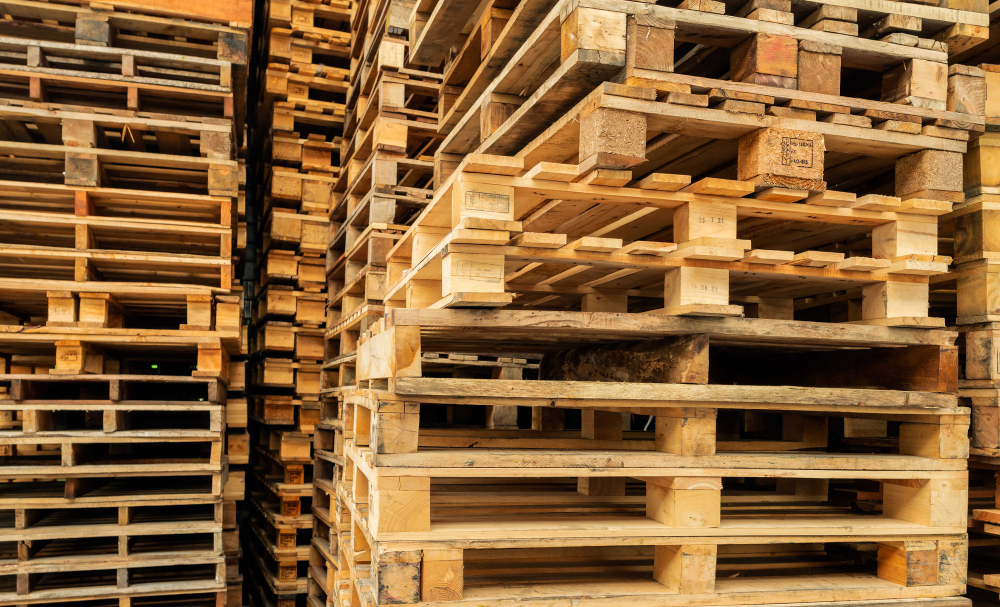
In the vast world of logistics and supply chain management, standard pallets play a crucial role in simplifying and streamlining the movement of goods. These ubiquitous platforms provide a stable base for stacking, storing, and transporting products, making them indispensable in warehouses and shipping facilities across the globe. Understanding the benefits and uses of standard pallets can significantly enhance operational efficiency and ensure the safe handling of merchandise.
Understanding Standard Pallets
A standard pallet, typically made of wood, plastic, or metal, serves as the foundation for a wide range of shipping and storage applications. The most common type is the wooden pallet, renowned for its affordability and versatility.
Key Features
- Standard dimensions: Typically 48 inches by 40 inches, allowing for optimal space utilization.
- Durability: Designed to withstand substantial weight and environmental conditions.
- Reusability: Can be used multiple times, making them an eco-friendly option.
Benefits of Using Standard Pallets
Employing standard pallets offers numerous advantages that extend beyond mere convenience. These benefits can be instrumental in enhancing productivity and cost-effectiveness.
Cost Efficiency
- Reduces labor costs by enabling easier handling of large quantities of goods.
- Minimizes damage to products, reducing wastage and replacement costs.
- Compatible with a wide range of material handling equipment, further reducing operational expenses.
Improved Safety
- Facilitates safer stacking and movement, minimizing the risk of accidents.
- Standardized sizes ensure compatibility with transport vehicles, enhancing transportation safety.
- Reduces the likelihood of manual handling injuries, protecting workforce health.
Common Uses of Standard Pallets
The versatility of standard pallets makes them suitable for a variety of applications across different industries.
Warehousing and Storage
- Efficiently organize and store goods in a warehouse setting.
- Facilitate inventory management and tracking by standardizing storage units.
- Enable quick retrieval and dispatch of products, streamlining warehouse operations.
Shipping and Transportation
- Ensure secure transport of goods over long distances.
- Standard sizes facilitate easy loading and unloading from trucks, ships, and planes.
- Protect goods from potential damage during transit, maintaining product integrity.
Conclusion
Understanding the role of standard pallets in logistics operations can lead to more efficient and cost-effective management of goods. Their adaptability and resilience make them an essential component of modern supply chains, offering benefits that extend from the manufacturer to the end consumer. By investing in high-quality standard pallets, businesses can optimize their logistics processes, ensuring smooth and safe transportation of their products.
