Fast Occupancy Rate: The Advantage of Modular Construction
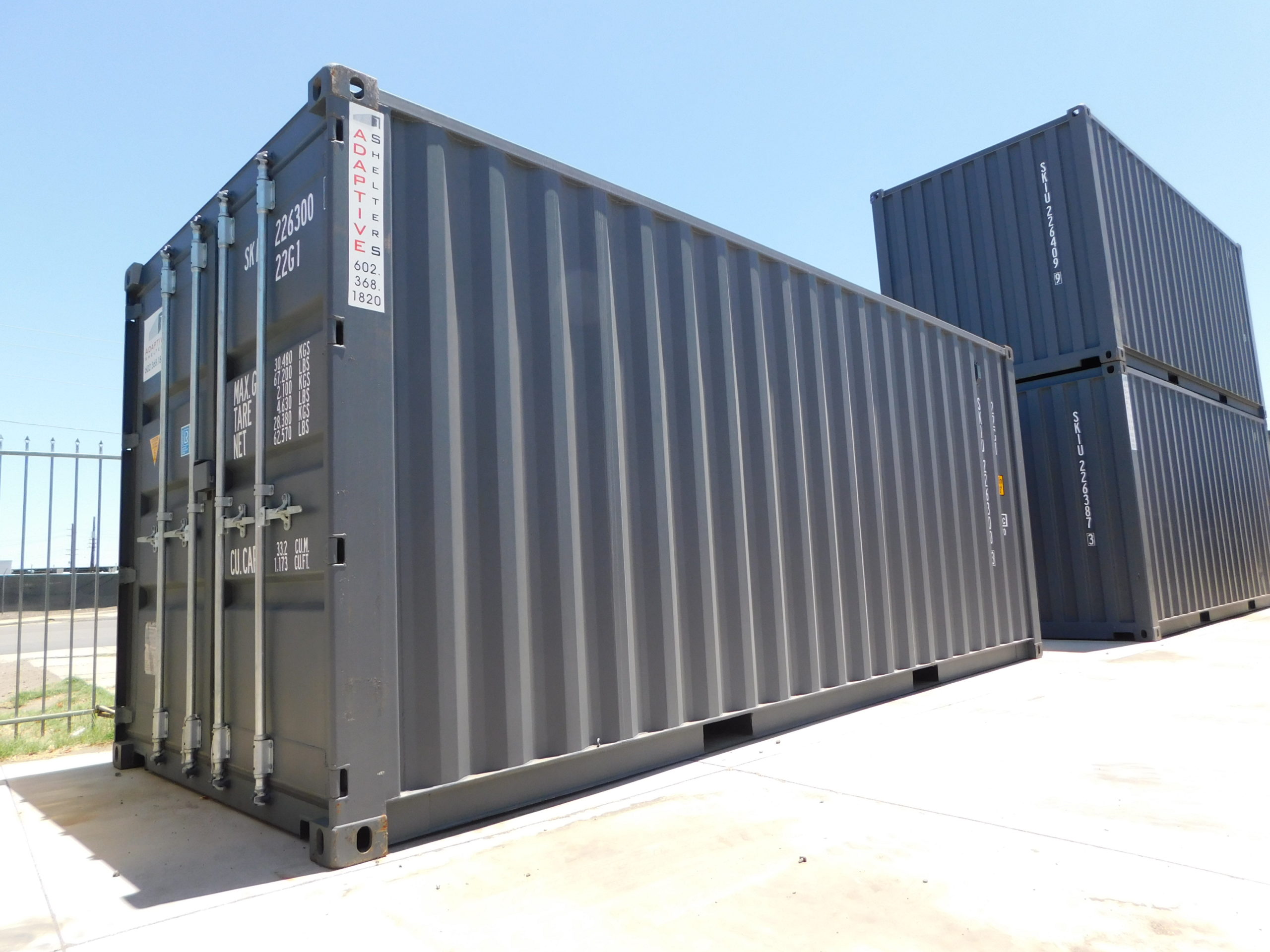
Modular construction, a progressive approach within the building industry, has been gaining significant traction in recent years. One of the most compelling benefits of this method is the fast occupancy rate it offers, a crucial factor in any construction project. As traditional construction methods often face delays due to weather, supply chain issues, and labor shortages, modular construction presents a viable alternative that can mitigate these challenges. By fabricating building components in a controlled factory environment, modular construction not only accelerates timelines but also enhances quality and efficiency. This article delves into the various aspects of modular construction that contribute to its fast occupancy rate, providing insights into why it is becoming an increasingly popular choice for developers and builders alike.
Understanding Modular Construction
Modular construction involves the off-site production of building modules, which are then transported and assembled on-site. This approach contrasts with conventional construction, where all activities occur on-site, increasing the potential for delays and disruptions. The modular method leverages advanced technology and precision engineering to ensure consistency and quality.
Key Features of Modular Construction
- Efficiency: Modules are produced simultaneously with site preparation, significantly reducing construction time.
- Quality Control: Factory settings allow for rigorous quality checks that are difficult to achieve on-site.
- Flexibility: Modular components can be customized to meet specific design and functional requirements.
For more insights into the efficiencies offered by modular construction, you can read more about this topic.
The Impact of Fast Occupancy Rate
The fast occupancy rate of modular buildings presents numerous advantages, particularly in urban settings where time and space are critical. This not only benefits developers but also tenants and stakeholders who are eager to see projects completed promptly.
Benefits of Fast Occupancy Rate
- Reduced Costs: Shortened construction timelines translate to lower labor and financing costs.
- Quick Revenue Generation: Faster completion means properties can be leased or sold sooner, enhancing cash flow.
- Environmental Considerations: Less time on-site reduces environmental disruption and minimizes waste.
For a detailed exploration of how modular construction can impact urban development through its fast occupancy rates, explore further insights here.
Challenges and Considerations
While modular construction offers undeniable benefits, it is not without challenges. Developers must consider several factors to maximize the potential of this construction method.
Considerations for Successful Modular Construction
- Logistics: Transporting large modules requires careful planning and coordination.
- Integration: Ensuring that modular components fit seamlessly with existing structures or infrastructure is crucial.
- Regulatory Compliance: Navigating zoning laws and building codes specific to modular construction can be complex.
To learn more about how to navigate these challenges effectively, find additional information here.
Future Prospects
The future of modular construction looks promising, particularly as the building industry continues to seek sustainable and efficient solutions. Advances in technology are expected to further enhance the capabilities of modular construction, making it an even more attractive option for large-scale projects.
As cities grow and demand for housing and infrastructure increases, modular construction is likely to play a pivotal role in shaping the urban landscape. For industry professionals and stakeholders, understanding and leveraging the benefits of this method will be key to staying competitive and meeting the challenges of tomorrow’s construction needs. Learn more in this detailed guide about the evolving trends in modular construction.
