Exploring the Benefits of Hyperbaric Oxygen Therapy for Neurological Disorders
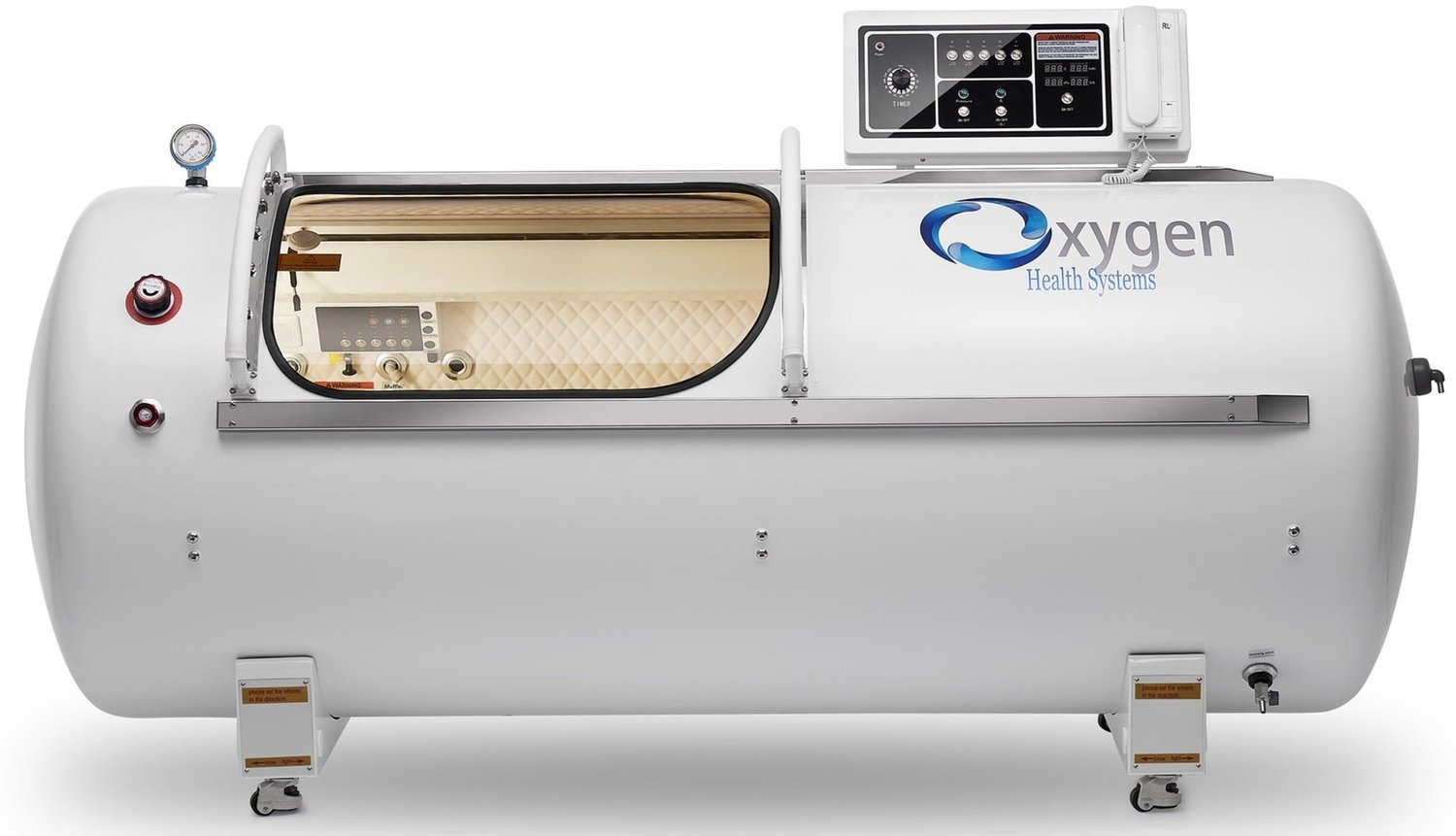
Hyperbaric Oxygen Therapy (HBOT) has emerged as a promising adjunctive treatment for a range of neurological disorders. By delivering concentrated oxygen at increased atmospheric pressure, this therapy enhances the body’s natural healing processes and is being explored for its potential to improve neurological function. This article delves into the benefits of HBOT for neurological disorders, offering insights into how it is being integrated into therapeutic strategies and what patients can expect from this innovative approach.
Understanding Hyperbaric Oxygen Therapy
Hyperbaric Oxygen Therapy involves breathing pure oxygen in a pressurized chamber. This environment allows for increased oxygen absorption in the bloodstream, which can facilitate healing and reduce inflammation.
- HBOT increases the amount of oxygen that blood can carry, promoting healing and fighting bacteria.
- It is used to treat a variety of medical conditions, including decompression sickness and chronic wounds.
- Recent studies have shown its potential benefits in treating neurological disorders.
Potential Benefits for Neurological Disorders
Improvement in Cognitive Function
One of the key areas where HBOT shows promise is in improving cognitive functions for patients with neurological disorders. The increased oxygen levels can help regenerate neurons and support brain health.
- Enhances neuroplasticity, aiding in the brain’s ability to reorganize itself.
- May improve memory and cognitive processing speed.
- Potential to support recovery from traumatic brain injuries and strokes.
Learn about our tailored solutions for cognitive improvements in neurological conditions here.
Reduction in Inflammation and Oxidative Stress
Another significant benefit of HBOT is its ability to reduce inflammation and oxidative stress, which are common in many neurological conditions.
- Increases antioxidant levels, which can protect brain cells from damage.
- Can decrease inflammation markers in the body, potentially slowing disease progression.
- Supports overall neurological health by maintaining cellular integrity.
Find out more about this approach to reducing inflammation in neurological therapy here.
Integration into Neurological Treatment Plans
Integrating HBOT into existing treatment plans for neurological disorders requires careful consideration and expert guidance. It is crucial to tailor the therapy to individual patient needs.
- Consultation with healthcare providers ensures compatibility with other treatments.
- Regular monitoring and adjustments to therapy based on patient response.
- Combination with physical therapy and other interventions for holistic care.
Explore advanced guides and tips on integrating HBOT into treatment plans here.
Challenges and Considerations
While HBOT offers numerous benefits, there are challenges and considerations that must be addressed to maximize its efficacy.
- Accessibility and cost can be barriers for some patients.
- Not all neurological conditions may respond to HBOT, requiring further research.
- Potential side effects, though generally mild, must be monitored.
Discover expert strategies for overcoming these challenges here.
In conclusion, Hyperbaric Oxygen Therapy stands as a promising option for enhancing the treatment of neurological disorders. Its ability to improve cognitive function, reduce inflammation, and support overall neurological health positions it as a valuable component of modern therapeutic strategies. As research continues to unfold, HBOT may well become a cornerstone in the management of neurological conditions, offering hope and improved quality of life for many patients.
