Making Sense of PET and CT Scan Results
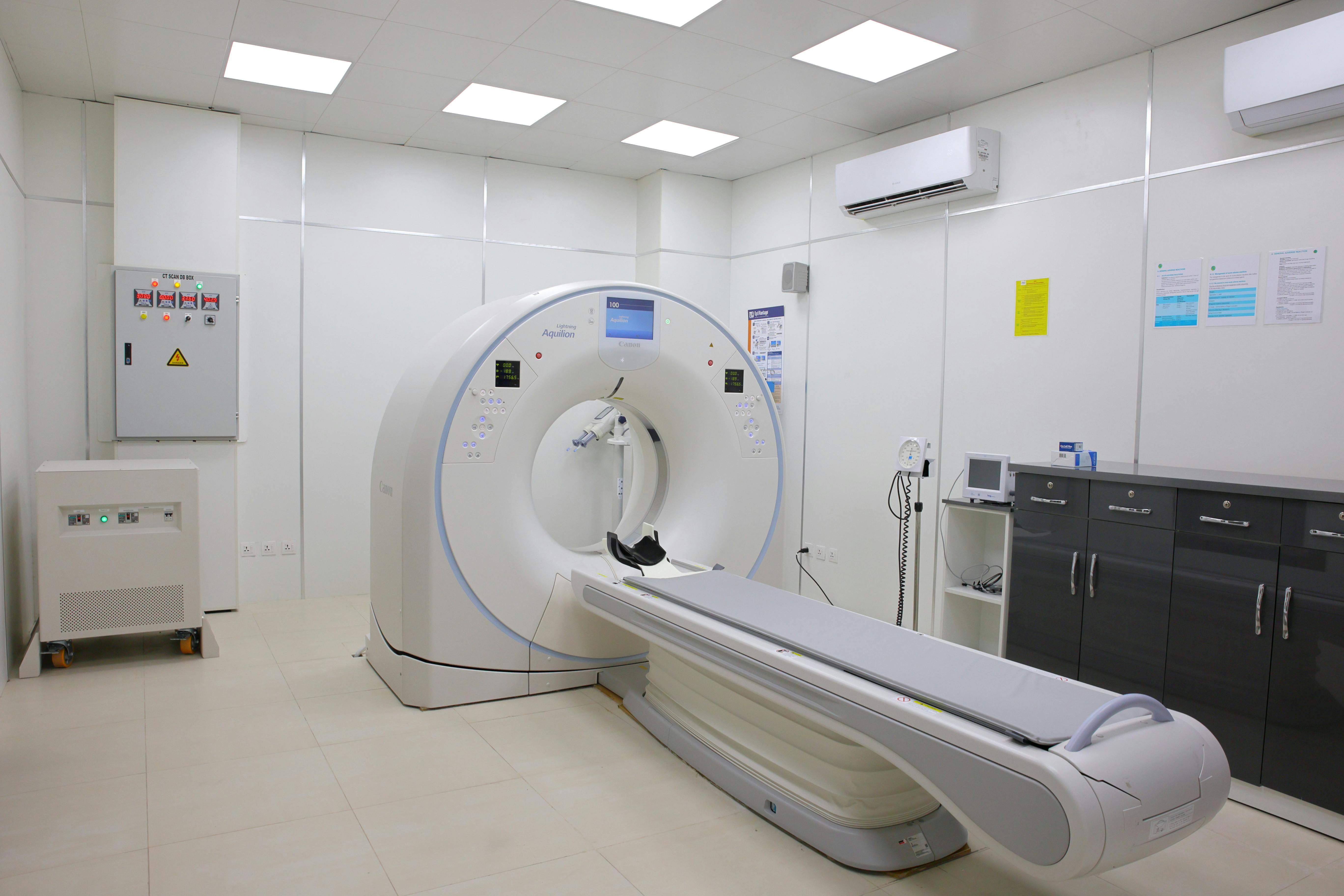
In the realm of modern medical diagnostics, PET (Positron Emission Tomography) and CT (Computed Tomography) scans have become pivotal in providing precise insights into various health conditions. While these techniques are crucial for diagnosing and managing various diseases, understanding the results can often be daunting for patients. This article aims to demystify the interpretation of PET and CT scan results, offering a clearer perspective on what to expect and how to discuss these findings with healthcare professionals.
Understanding PET and CT Scans
Before diving into the results, it is essential to have a foundational understanding of what PET and CT scans entail. Both of these imaging techniques serve distinct purposes and complement each other in medical diagnostics.
What is a PET Scan?
A PET scan utilizes radioactive tracers to visualize metabolic processes in the body. This scan is particularly useful in detecting cancer, evaluating heart health, and assessing brain disorders. Key highlights include:
- Identification of cancerous tissues due to increased metabolic activity.
- Assessment of blood flow and oxygen use in the heart.
- Detection of abnormalities in brain function.
What is a CT Scan?
On the other hand, a CT scan provides detailed images of the body’s internal structures using X-ray technology. It is instrumental in:
- Identifying structural abnormalities or injuries.
- Guiding biopsies and other diagnostic procedures.
- Monitoring the effectiveness of ongoing treatments.
Interpreting PET and CT Scan Results
Interpreting PET and CT scans requires a comprehensive understanding of the images and the clinical context. Here’s a breakdown of what these results may reveal:
Understanding Normal vs. Abnormal Findings
The interpretation of scan results often hinges on distinguishing between normal and abnormal findings. Consider the following:
- Normal Findings: These indicate an absence of unusual growths, lesions, or metabolic activity. It suggests that there are no immediate concerns.
- Abnormal Findings: These could indicate the presence of tumors, inflammation, or unusual metabolic activity. Such findings warrant further investigation or intervention.
Common Conditions Detected
Both PET scan and CT scan are utilized to detect a variety of conditions. Some common findings include:
- Cancer: PET scans are particularly adept at identifying cancerous cells due to their heightened metabolic activity.
- Cardiovascular Conditions: CT scans can reveal blockages or other heart-related issues.
- Neurological Disorders: PET scans can detect changes in the brain associated with disorders like Alzheimer”?s.
Next Steps After Receiving Results
Receiving the results of a PET CT scan in Southport can be a pivotal moment. Here”?s what to consider in the aftermath:
Discussing Results with Healthcare Providers
A thorough discussion with healthcare providers is crucial for understanding the implications of the scan results. Key discussion points include:
- Clarification: Ask the healthcare provider to explain any medical jargon or unclear findings.
- Implications: Understand what the results mean for current health status and future treatment plans.
- Next Steps: Discuss potential follow-up tests, treatments, or lifestyle changes that may be necessary.
Seeking a Second Opinion
For those who may have concerns about the findings or recommended treatments, seeking a second opinion can provide reassurance. Consider consulting another facility offering PET scan Gold Coast services for additional insights.
Conclusion
Understanding scanner PET CT results is key to making informed health decisions. By grasping the basics of PET and CT scans, patients can better engage with their healthcare providers and take proactive steps in their healthcare journey. As medical imaging continues to evolve, staying informed ensures that individuals can benefit from these powerful diagnostic tools.
