Maximize Your Septic System’s Lifespan with Pumping Services
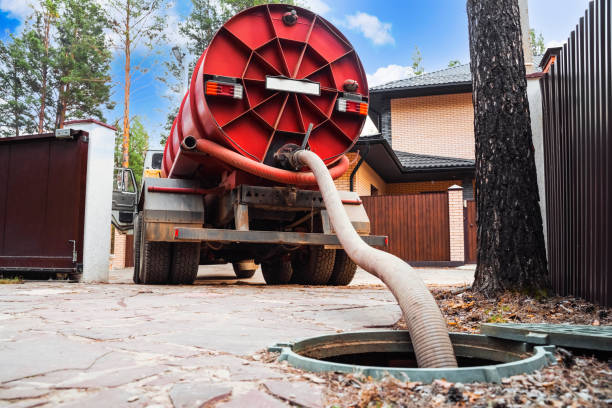
Owning a property with a septic system requires ongoing maintenance to ensure its efficiency and longevity. Neglecting regular care can lead to costly repairs and unpleasant experiences. One of the essential maintenance tasks is regular septic system pumping. This article highlights the importance of septic system pumping and how it can maximize the lifespan of a septic system.
Understanding Septic System Pumping
Septic systems are underground wastewater treatment structures commonly used in rural areas where there is no centralized sewer system. They consist of a septic tank and a drain field. Over time, solids accumulate in the tank and must be removed to prevent overflow and system failure.
The Role of Regular Pumping
Regular septic tank pump out is crucial to maintaining system efficiency. Here”?s why:
- Prevents backup and overflow which can cause environmental harm and property damage.
- Ensures the proper breakdown of waste by letting bacteria do their job without interference from excessive solids.
- Helps in identifying potential issues before they become severe problems.
Benefits of Professional Septic Pumping Services
Utilizing professional septic tank cleanout services offers numerous advantages:
- Expertise and Equipment: Professional services come equipped with the necessary tools and expertise to handle the job efficiently.
- Environmental Safety: Proper disposal of septic waste is essential to prevent contamination and adhere to local regulations.
- Cost-Effective: Regular pumping prevents costly repairs by maintaining system integrity.
How Often Should Septic Systems Be Pumped?
The frequency of residential sewage pumping depends on several factors:
- Household Size: Larger households generate more waste, requiring more frequent pumping.
- Tank Size: Smaller tanks fill up more quickly than larger ones.
- Water Usage: Homes with higher water usage need more frequent maintenance.
Typically, a septic system should be pumped every three to five years. However, consulting with a professional can provide a more tailored schedule based on specific needs.
Signs That Your Septic System Needs Pumping
Recognizing the signs of a full septic tank can prevent emergencies. Look out for:
- Slow drains in sinks, toilets, and showers.
- Unpleasant odors around the septic tank or drain field.
- Pooling water or lush, green grass over the drain field.
If any of these symptoms are present, scheduling septic waste removal services is advisable.
Conclusion
Maintaining a septic system with regular pumping is vital for its longevity and functionality. It prevents system failures, environmental hazards, and ensures the smooth operation of household waste management. By understanding the importance of septic system maintenance and utilizing professional services, property owners can avoid unnecessary repairs and enjoy a properly functioning system for years to come.
