Innovating Education: A Closer Look at Progressive Education Initiatives
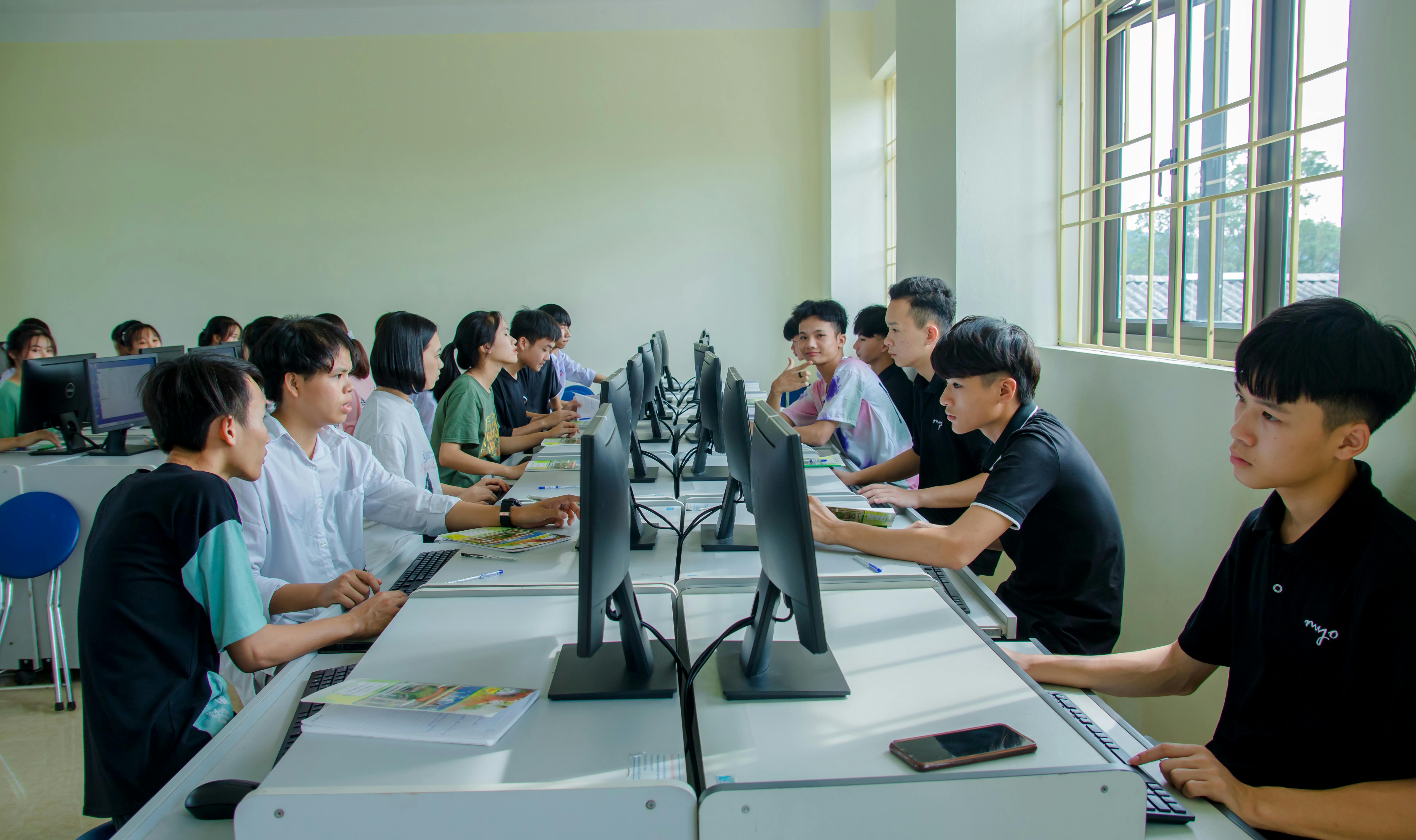
In the rapidly evolving landscape of educational methodologies, traditional models often struggle to keep pace with the dynamic needs of today’s learners. This gap has led to the emergence of progressive education initiatives that focus on a more personalized, engaging, and holistic approach to learning. By embracing these innovative strategies, educators are fostering environments where students not only acquire knowledge but also develop critical thinking skills, creativity, and emotional intelligence. This article delves into the core aspects of progressive education initiatives, highlighting key strategies and their impact on the educational experience.
Understanding Progressive Education
At its core, Progressive education centers on the belief that learning should be an active and dynamic process. This approach prioritizes the needs and interests of students, encouraging them to participate actively in their own learning journey. Progressive education models are typically characterized by:
- Student-centered learning environments
- Emphasis on critical thinking and problem-solving skills
- Integration of real-world experiences into the curriculum
- Focus on social and emotional learning
- Collaboration and community involvement
The Role of Experiential Learning
Experiential learning plays a pivotal role in progressive education. By engaging students in hands-on, real-world activities, educators can create meaningful learning experiences that resonate with students. The experiential learning program integrates these elements into the curriculum, allowing students to apply theoretical knowledge in practical settings. This approach not only enhances understanding but also builds essential life skills.
Key components of experiential education include internships, fieldwork, service learning, and project-based tasks. These activities enable students to connect with their communities, understand societal issues, and contribute positively to their environment.
Progressive Education Programs: A Closer Look
Schools that implement progressive education models often tailor their programs to meet the specific needs of their student populations. A well-designed Progressive Education Program might include:
- Customized curricula that reflect students’ interests and learning styles
- Interdisciplinary courses that integrate multiple subjects
- Flexible assessment methods that go beyond standardized testing
- Support for diverse learning needs, including special education
- Opportunities for student-led projects and initiatives
Such programs aim to cultivate a love for learning and prepare students for the complexities of the modern world. By focusing on the holistic development of students, progressive education models strive to produce well-rounded individuals who are ready to tackle future challenges.
The Impact of Experiential High School Education
Implementing experiential high school education has shown significant benefits for students. This method encourages active engagement, fosters deeper understanding, and enhances student motivation. Research indicates that students involved in experiential learning tend to have better academic performance, improved critical thinking skills, and stronger emotional intelligence.
Moreover, students gain valuable insights into potential career paths and develop a clearer sense of their interests and aptitudes. This practical experience is invaluable in guiding future educational and career choices.
Challenges and Future Directions
While progressive education initiatives offer numerous advantages, they also face certain challenges. These may include resource constraints, resistance to change from traditional educational stakeholders, and the need for ongoing teacher training and development. Addressing these challenges requires a collaborative effort from educators, policymakers, and communities to ensure that progressive education models are sustainable and accessible.
Looking forward, the continued evolution of educational technology and methodologies will likely offer new opportunities to enhance progressive education. By staying adaptable and open to innovation, educators can continue to provide meaningful and impactful learning experiences for all students.
In summary, progressive education initiatives represent a transformative approach to learning that aligns with the needs of today’s students. By embracing experiential learning and focusing on the holistic development of learners, educators can create environments that inspire and empower the next generation.
