Antique German Dolls vs. Antique French Dolls: A Collector’s Dilemma
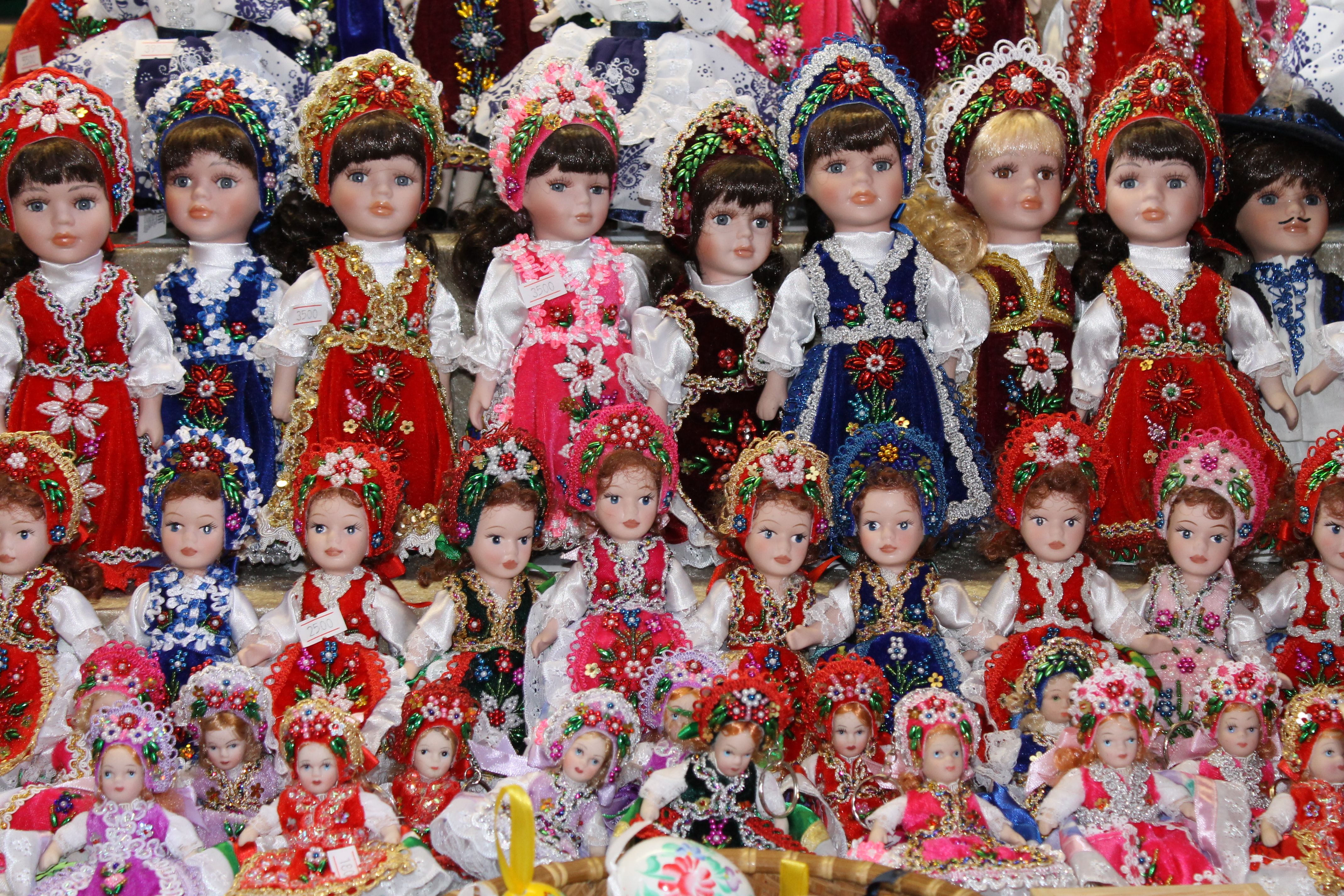
The world of antique dolls is as enchanting as it is vast, with collectors often finding themselves at a crossroads when deciding between German and French antiques. Each has its own unique charm and historical significance, making the choice both exciting and daunting. Whether you are a seasoned collector or a budding enthusiast, understanding the differences and nuances between these two categories can greatly enhance your appreciation and investment in antique dolls. This exploration delves into the characteristics, history, and value of both German and French antique dolls, providing insights to aid your collecting journey.
Historical Background
German Antique Dolls
German dolls, known for their high-quality craftsmanship, emerged prominently during the late 19th and early 20th centuries. The German doll-making industry was primarily concentrated in the Thuringia region, with famous manufacturers like Armand Marseille, Simon & Halbig, and Kestner leading the market. These dolls were often made using bisque porcelain and were celebrated for their realistic features and expressive faces.
Discover expert strategies here to identify authentic German dolls.
French Antique Dolls
French dolls are synonymous with elegance and sophistication, often characterized by their exquisite detailing and luxury. Prominent during the same era as their German counterparts, French manufacturers like Jumeau, Bru, and Steiner crafted dolls that were not only toys but also fashion icons. These dolls featured fashion-forward clothing and intricate accessories, capturing the essence of French artistry and style.
Learn about our tailored solutions for distinguishing French dolls.
Key Differences
When comparing German and French antique dolls, several distinct differences can guide collectors in their choices:
- Materials: While both use bisque porcelain, French dolls frequently include more varied materials for clothing and accessories, adding to their luxurious appeal.
- Facial Features: German dolls often have more lifelike and expressive features, whereas French dolls are known for their stylized, serene expressions.
- Clothing and Accessories: French dolls are renowned for their elaborate wardrobes, often reflecting the fashion trends of their time, whereas German dolls typically have simpler attire.
- Value: French dolls generally hold higher market value due to their rarity and association with high fashion, although rare German dolls can also command significant prices.
Collecting Tips
For those looking to start or expand their collection, a few expert tips can ensure a rewarding experience:
- Research extensively to understand market trends and historical contexts.
Explore advanced guides and tips to deepen your knowledge. - Examine the doll”?s condition, including any restoration work, as this can significantly impact its value.
- Consider the rarity and provenance of a doll, as these factors can greatly enhance its collectible value.
- Join collector forums and attend auctions to gain insights and network with fellow enthusiasts.
Conclusion
Whether drawn to the meticulous craftsmanship of German dolls or the opulent elegance of French creations, collectors have a wealth of options to explore. Understanding the historical context and distinguishing features of each type can greatly enhance the collecting experience. As you embark on your journey, consider the factors that resonate most with you, and let your collection reflect your personal tastes and interests.
Find out more about this approach to curating a distinctive and valuable collection.
