Benefits of Upgrading to DDR5 Memory for Speed and Efficiency
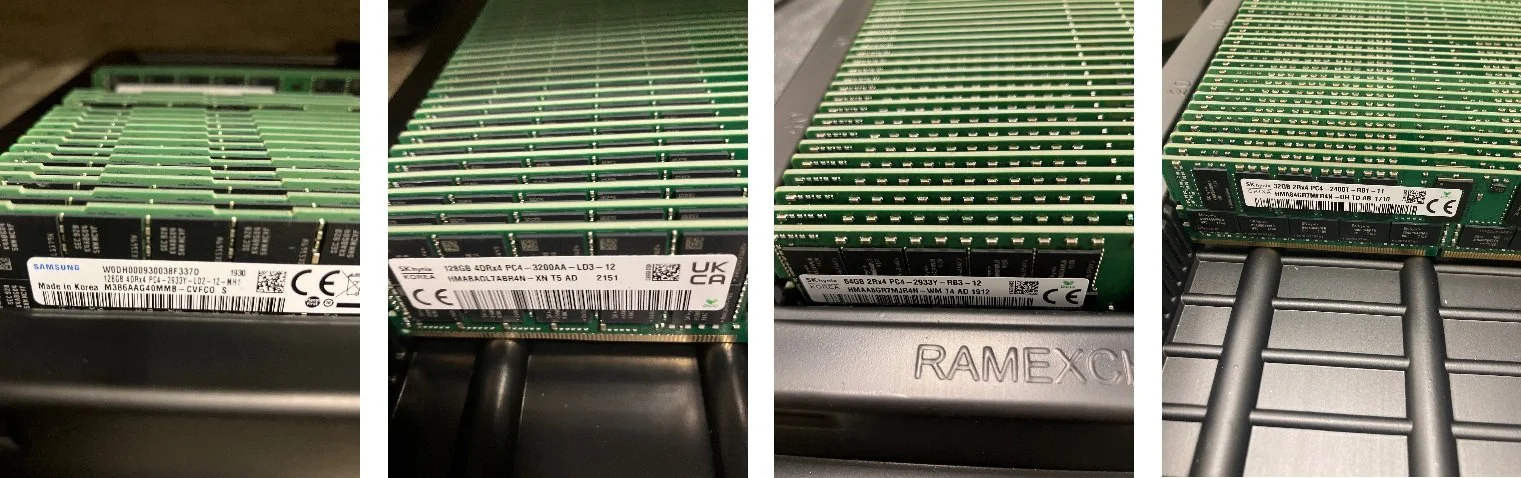
In the rapidly evolving landscape of technology, staying ahead with the latest hardware is essential for maximizing performance and efficiency. Memory, or RAM, plays a pivotal role in how quickly and effectively a system can process information. With the advent of DDR5 memory, a new standard has been set in terms of speed and efficiency, providing significant advantages over its predecessor, DDR4. This article explores the benefits of upgrading to DDR5 memory, examining its impact on speed, efficiency, and overall system performance.
Understanding DDR5 Memory
DDR5, or Double Data Rate 5, is the latest iteration in memory technology, following the widely adopted DDR4. It offers several enhancements designed to support the increasing demands of modern computing. Here are some key features of DDR5:
- Increased Bandwidth: DDR5 substantially increases data transfer rates, starting at 4800 MT/s (megatransfers per second) and potentially reaching up to 8400 MT/s in future iterations.
- Higher Capacity: DDR5 modules can support higher memory capacities, allowing for more data to be stored and accessed quickly, which is particularly beneficial for applications that require large memory footprints.
- Improved Power Efficiency: With a lower operating voltage of 1.1V compared to DDR4’s 1.2V, DDR5 is designed to be more energy-efficient, reducing overall power consumption.
Speed Enhancements with DDR5
The speed improvements offered by DDR5 memory are among its most significant benefits. Here?s how upgrading to DDR5 can enhance system speed:
- Faster Data Rates: The increased data rates of DDR5 mean faster loading times for applications and quicker data processing, which is crucial for tasks such as video editing, gaming, and large-scale computations.
- Better Multitasking: With higher bandwidth, DDR5 allows for smoother multitasking, enabling users to run multiple applications simultaneously without experiencing lag.
For those seeking to discover expert strategies here on how to leverage DDR5 for enhanced computing performance, exploring its capabilities is a wise investment.
Efficiency Improvements
DDR5 not only enhances speed but also significantly boosts efficiency, making it an attractive option for modern computing environments. Consider the following efficiency gains:
- Optimized Power Consumption: The reduced voltage in DDR5 contributes to lower power usage, which is especially beneficial for laptops and mobile devices where battery life is a concern.
- Enhanced Data Integrity: DDR5 includes new features like Decision Feedback Equalization (DFE) to improve signal integrity, ensuring accurate data transmission even at higher speeds.
To learn about our tailored solutions for optimizing efficiency with DDR5, it is essential to understand these advancements and how they apply to specific use cases.
Why Consider Upgrading?
Upgrading to DDR5 memory is not just about keeping up with technological trends; it offers tangible benefits that can significantly impact performance and user experience. Here are a few reasons to consider making the switch:
- Future-Proofing: As software and applications continue to advance, having the latest memory technology ensures compatibility and readiness for future developments.
- Enhanced Performance: For power users and professionals, the performance boost from DDR5 can translate to increased productivity and faster completion of resource-intensive tasks.
To explore advanced guides and tips on integrating DDR5 into your systems, understanding the upgrade path is crucial for making informed decisions.
Conclusion
In conclusion, the transition to DDR5 memory represents a significant leap forward in terms of speed and efficiency. With its increased bandwidth, higher capacities, and improved power efficiency, DDR5 is set to become the new standard for high-performance computing. Whether for personal use, professional applications, or gaming, upgrading to DDR5 offers a compelling advantage. For those interested in the broader implications of this technology, find out more about this approach and how it can transform computing experiences.
