Comparing Biodegradable vs. Regular Baby Wipes
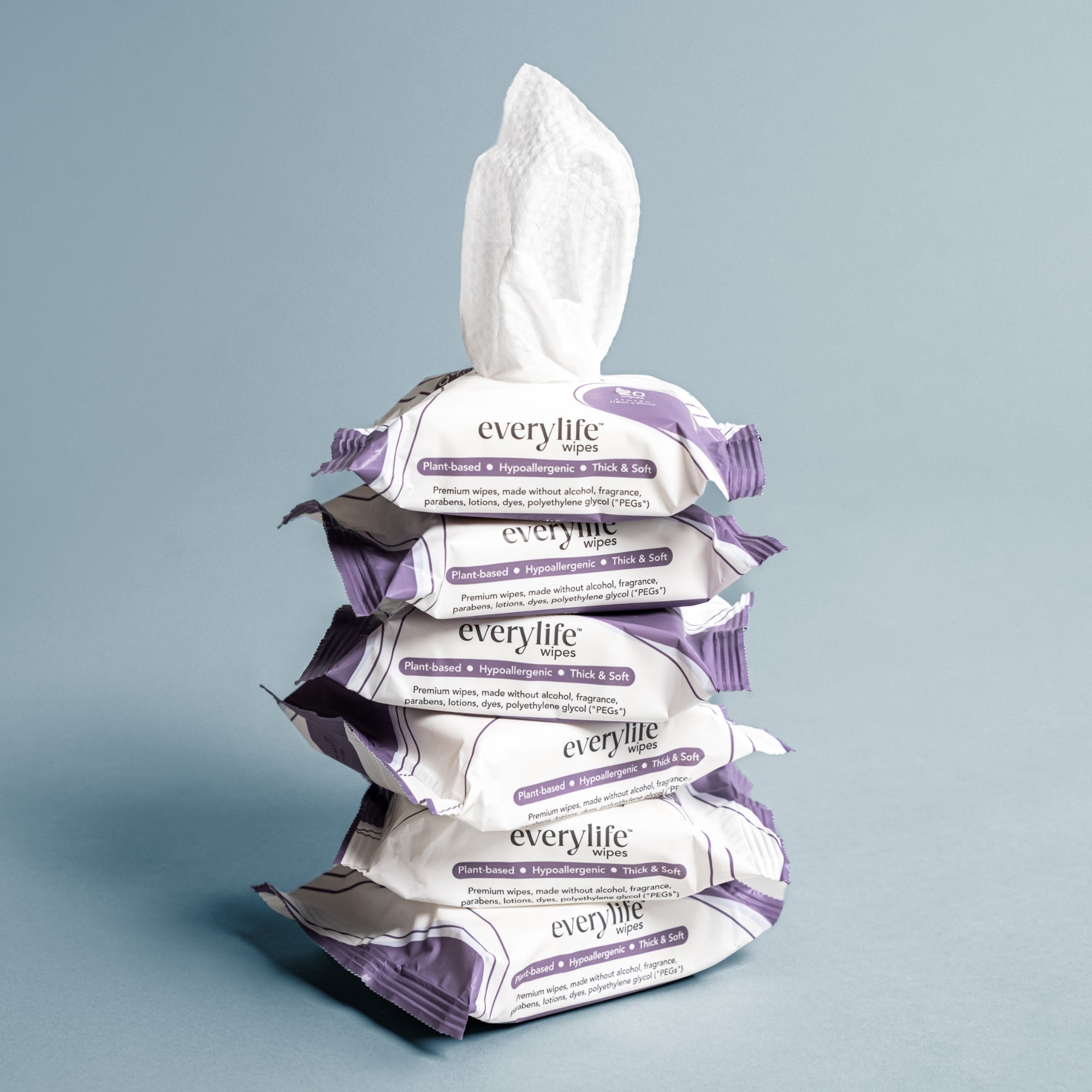
In today’s environmentally-conscious world, parents are more mindful than ever about the products they use for their children. Baby wipes, a staple in every parent’s toolkit, have come under scrutiny for their environmental impact. With the rise of biodegradable options, parents are faced with a choice: stick with regular baby wipes or make the switch to biodegradable ones. This article explores the differences between biodegradable and regular baby wipes, offering insights into their composition, environmental impact, and cost implications.
Composition and Materials
Regular Baby Wipes
Regular baby wipes are typically made from a blend of synthetic materials such as polyester and polypropylene. These materials contribute to the durability and moisture retention of the wipes but are not biodegradable. The non-woven fabric is often infused with cleansing agents and preservatives to ensure effective cleaning and shelf stability.
Biodegradable Baby Wipes
Biodegradable baby wipes are crafted from natural fibers such as cotton, bamboo, or viscose. These materials decompose more readily, reducing their environmental footprint. Biodegradable wipes are often free from harsh chemicals, making them a gentler option for a baby’s sensitive skin.
Environmental Impact
Landfill Contribution
- Regular wipes can take hundreds of years to decompose, contributing significantly to landfill waste.
- Biodegradable wipes break down within a few months to a few years, depending on environmental conditions.
Parents looking to reduce their environmental impact might consider biodegradable options. Find out more about this approach.
Water Pollution
- Synthetic materials in regular wipes can release microplastics into water systems.
- Biodegradable wipes, made from natural fibers, do not contribute to microplastic pollution.
For those concerned about water pollution, biodegradable wipes are a more eco-friendly choice. Learn about our tailored solutions.
Cost Considerations
Cost is a critical factor for many parents when choosing between biodegradable and regular baby wipes. Regular wipes are often less expensive due to the lower cost of synthetic materials and mass production. However, the gap in cost is narrowing as demand for environmentally friendly products increases.
- Biodegradable wipes may have a higher upfront cost but can be more cost-effective in the long run by reducing environmental cleanup costs.
- Consider the potential health benefits and reduced risk of skin irritation with biodegradable options.
Parents might weigh the immediate cost against the long-term environmental benefits. Explore advanced guides and tips.
Performance and Effectiveness
Concerns about effectiveness often arise with biodegradable wipes. However, many biodegradable wipes offer comparable performance to regular wipes in terms of cleaning ability and durability. Testing different brands can help parents find a biodegradable option that meets their needs.
- Regular wipes may offer slightly more durability due to synthetic fibers.
- Biodegradable wipes have improved significantly in strength and moisture retention.
For parents prioritizing performance, a trial-and-error approach with different products might be necessary. Discover expert strategies here.
Conclusion
Choosing between biodegradable and regular baby wipes involves considering various factors, including environmental impact, cost, and performance. Biodegradable wipes represent a sustainable choice that aligns with growing environmental awareness, offering an effective alternative to traditional wipes. Parents seeking to make more eco-conscious decisions can explore biodegradable options as a viable solution. Explore advanced guides and tips on how to integrate sustainable practices into everyday life.
