Creating Stunning Architectural Surface Finishes with Laminate
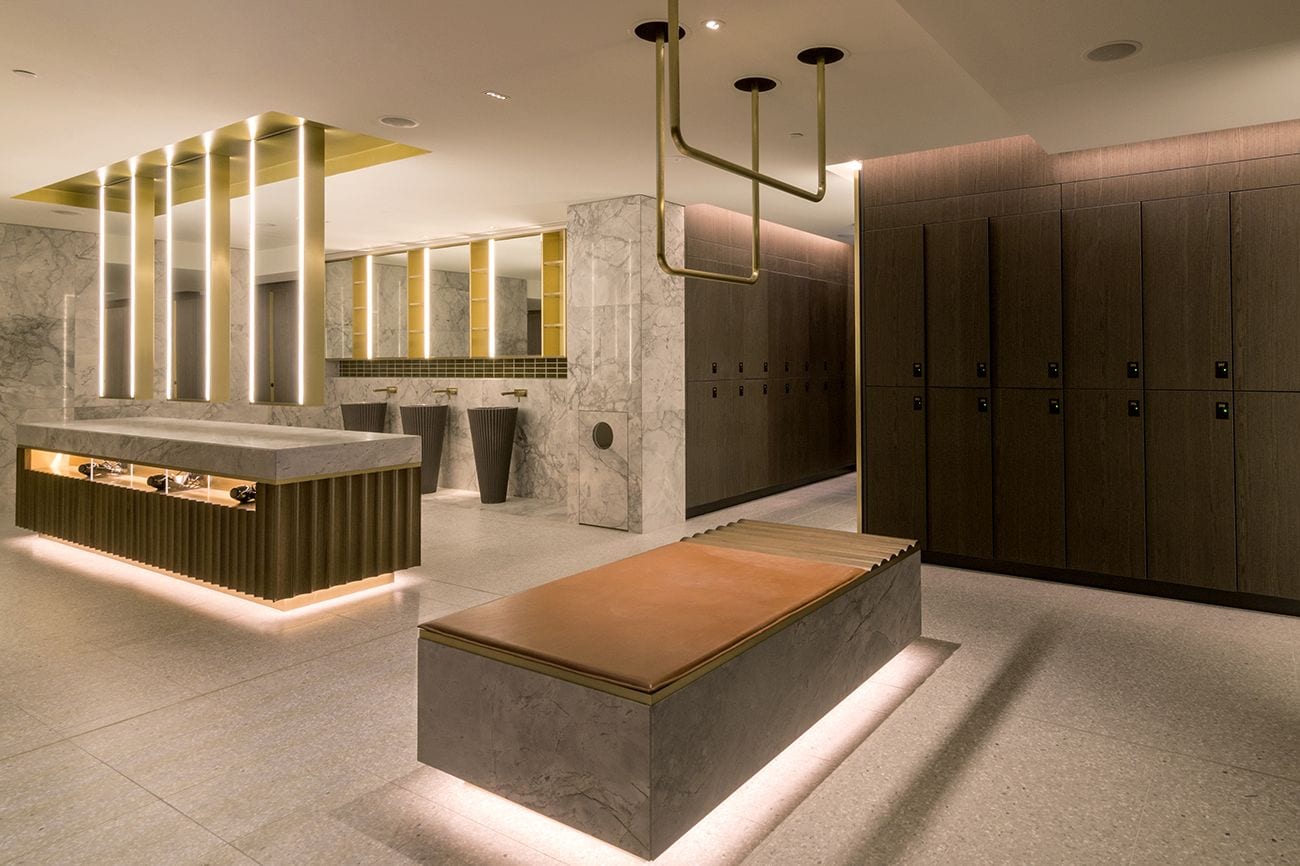
Architecture is not just about erecting buildings; it?s about creating spaces that inspire, comfort, and function efficiently. The finishes applied to these architectural surfaces are crucial in achieving these objectives. Among the plethora of materials available, laminate stands out as a versatile and cost-effective option. It offers a myriad of design possibilities, transforming ordinary surfaces into stunning architectural elements that captivate the eye and serve practical purposes. This article delves into how laminate can be used to create beautiful and functional architectural surface finishes.
The Versatility of Laminate
Laminate is a composite material made by pressing together thin layers of flat paper and plastic resins. Its versatility stems from its ability to mimic various textures and materials, such as wood, stone, and metal, without the associated costs and maintenance. Here are some reasons why laminate is preferred in architectural design:
- Cost-Effective: Laminate is generally more affordable than natural materials while offering similar aesthetic appeal.
- Durable: It is resistant to scratches, stains, and impacts, making it ideal for high-traffic areas.
- Easy to Maintain: Laminate surfaces require minimal maintenance, making them practical for both residential and commercial spaces.
- Variety: Available in numerous colors, textures, and finishes, laminate offers endless design opportunities.
For more on the versatility of laminate and how it can be tailored to specific design needs, learn about our tailored solutions.
Applications of Laminate in Architectural Design
Interior Wall Panels
Wall panels covered with laminate provide an excellent way to enhance the aesthetic appeal of interiors. They can be used to create feature walls that draw attention or to cover entire rooms for a cohesive look. The range of available textures and colors means that any design theme can be achieved, whether modern, rustic, or classic.
Countertops and Cabinetry
In kitchens and bathrooms, laminate countertops and cabinetry offer both style and practicality. The material?s resistance to moisture and ease of cleaning make it an ideal choice for these areas. With advances in printing technology, laminate can convincingly replicate the look of expensive materials like granite and marble.
For advanced guides and tips on selecting the right laminate finishes for countertops and cabinetry, explore advanced guides and tips.
Flooring Solutions
Laminate flooring has gained popularity due to its durability and aesthetic appeal. It provides the warmth and beauty of hardwood floors without the high cost and maintenance. Laminate flooring is also easier to install and replace, making it a practical choice for both new constructions and renovations.
To discover expert strategies for integrating laminate flooring into your architectural design projects, discover expert strategies here.
Innovative Design Techniques
With the continuous advancements in laminate technology, designers are exploring innovative techniques to make the most out of this material. Some of these techniques include:
- 3D Textured Laminates: These laminates add depth and dimension, enhancing the tactile experience of surfaces.
- Backlit Laminates: By incorporating lighting behind translucent laminates, designers can create stunning visual effects.
- Eco-Friendly Options: Sustainable laminate options are now available, aligning with the growing demand for environmentally responsible design.
To find out more about this approach and innovative design techniques using laminate, find out more about this approach.
Conclusion
Laminate offers a unique blend of aesthetics, functionality, and affordability, making it a favored choice for stunning architectural surface finishes. Whether used in wall panels, cabinetry, flooring, or innovative design applications, laminate continues to evolve, providing designers with endless possibilities. As the demand for versatile and sustainable building materials grows, laminate remains at the forefront, allowing architects and designers to push the boundaries of creativity without compromising on quality or cost.
