Eco-Friendly Packaging Solutions: Benefits of Wooden Crates
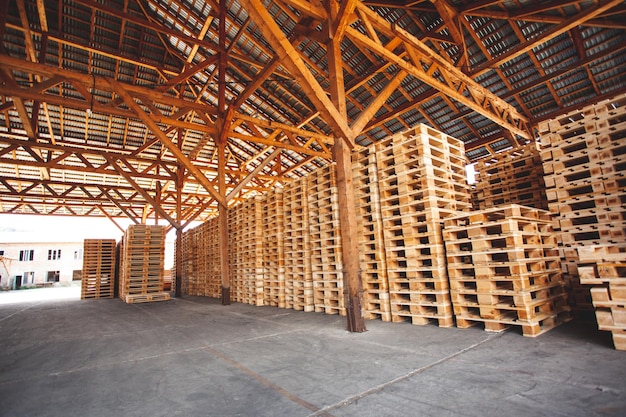
In the modern era of conscious consumerism, businesses across various sectors are increasingly seeking sustainable and eco-friendly packaging solutions. Among the multitude of options, wooden crates have emerged as a preferred choice due to their environmental benefits and versatility. Their growing popularity is attributed to the balance they strike between functionality and sustainability, making them an ideal packaging solution for many industries. This article delves into the benefits of wooden crates and why they are considered a leading eco-friendly packaging solution.
The Environmental Advantages of Wooden Crates
Wooden crates stand out as a sustainable packaging option due to their numerous environmental benefits. Here are a few key advantages:
- Renewable Resource: Wood is a natural, renewable resource. When sourced responsibly, it has a significantly lower environmental impact compared to non-renewable materials.
- Biodegradable: Unlike plastic packaging, wooden crates are biodegradable, reducing long-term waste and environmental pollution.
- Recyclability: Wooden crates can be easily recycled, further minimizing their carbon footprint and conserving natural resources.
- Reduced Carbon Emissions: The production of wooden crates typically requires less energy compared to plastic or metal alternatives, resulting in lower carbon emissions.
Durability and Versatility of Wooden Crates
The durability and versatility of wooden crates make them suitable for a variety of applications. Here’s how they excel in different areas:
- Robust Construction: Wooden crates are known for their strength and can withstand heavy loads, making them ideal for transportation and storage.
- Customizable Design: They can be tailored to specific dimensions and designs, catering to unique business needs and enhancing product protection.
- Adaptability: Wooden crates are used across industries such as agriculture, manufacturing, and retail, highlighting their adaptability to different sectors.
Cost-Effectiveness
While initial costs might be slightly higher than other materials, the long-term savings and benefits of wooden crates make them a cost-effective choice. Here’s why:
- Longevity: Their durability ensures a longer lifespan compared to disposable packaging solutions, reducing the frequency of replacement.
- Reusability: Wooden crates can be reused multiple times, offering savings in packaging expenses over time.
- Reduced Damage Costs: The sturdy design of wooden crates minimizes the risk of product damage during transit, lowering potential loss and associated costs.
Enhancing Brand Image
Adopting eco-friendly packaging solutions like wooden crates can significantly enhance a brand’s image. Consumers today are more environmentally conscious, and companies using sustainable packaging are often viewed more favorably. This can lead to:
- Positive Brand Perception: Demonstrating a commitment to sustainability can attract environmentally conscious customers.
- Competitive Advantage: Differentiating a brand from competitors by showcasing eco-friendly practices can strengthen market position.
- Customer Loyalty: Customers are more likely to remain loyal to brands that align with their values, including sustainability efforts.
Conclusion
In conclusion, the use of wooden crates as an eco-friendly packaging solution offers a multitude of benefits. From environmental advantages and cost-effectiveness to enhancing brand image, wooden crates provide a sustainable alternative to traditional packaging materials. As businesses strive to reduce their environmental impact and meet consumer expectations, adopting wooden crates can play a pivotal role in achieving these goals, ultimately leading to a more sustainable future.
