Efficient Ways to Install and Maintain Steel Pipe Joints for Longevity
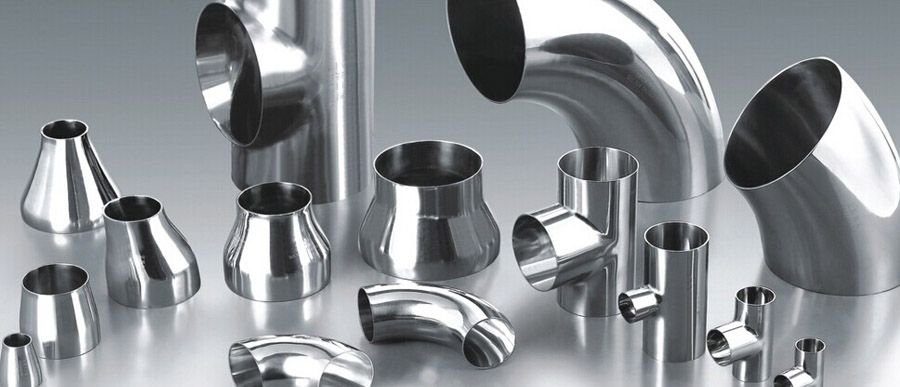
Steel pipe joints are integral components in various industries, playing a pivotal role in ensuring the integrity and efficiency of pipeline systems. The longevity and reliability of these systems largely depend on the proper installation and maintenance of the joints. By adhering to industry standards and utilizing effective techniques, one can significantly extend the lifespan of steel pipe fittings. This article explores efficient ways to install and maintain steel pipe joint assemblies, focusing on best practices and preventative measures.
Installation of Steel Pipe Joints
Proper installation is crucial to ensuring the durability and functionality of steel pipe joints. Here are some steps and considerations to keep in mind:
Preparation and Planning
- Conduct a thorough assessment of the site and pipeline layout to determine the most suitable joint types and materials.
- Ensure all necessary tools and equipment are available and in good condition before commencing installation.
- Verify the compatibility of the pipes and joints, taking into account factors such as size, pressure rating, and material type.
Installation Techniques
- Follow the manufacturer’s guidelines for joint assembly and installation to ensure optimal performance and compliance with safety standards.
- Use appropriate sealing compounds or gaskets to prevent leaks and enhance the joint’s integrity.
- Employ skilled personnel with experience in pipe fitting to reduce the likelihood of installation errors.
Maintenance of Steel Pipe Joints
Regular maintenance of steel pipe joints is crucial to prevent premature failure and extend the system’s lifespan. The following practices can help in maintaining the joints effectively:
Inspection and Monitoring
- Conduct routine inspections to detect signs of wear, corrosion, or damage to the joints and surrounding areas.
- Implement a monitoring system to track the condition of the pipeline and identify potential issues before they escalate.
- Utilize advanced technologies, such as ultrasonic testing and radiography, for in-depth analysis of joint integrity.
Preventative Measures
- Apply protective coatings to prevent corrosion and enhance the durability of the joints.
- Ensure proper alignment and support of the pipes to minimize stress and reduce the risk of joint failure.
- Regularly clean and maintain the surrounding environment to mitigate the effects of external factors, such as moisture and temperature fluctuations.
Enhancing Longevity
In addition to proper installation and maintenance, adopting certain strategies can further enhance the longevity of steel pipe joints:
- Select high-quality materials that are designed to withstand the specific conditions of the application.
- Incorporate flexible joint designs that can accommodate thermal expansion and contraction, reducing stress on the pipeline.
- Engage in continuous training and education for personnel to stay updated on the latest industry standards and best practices.
Conclusion
Implementing efficient installation and maintenance practices is essential to ensure the durability and reliability of steel pipe joints. By focusing on quality materials, skilled workmanship, and proactive maintenance strategies, the longevity of these critical components can be significantly extended. For more detailed guidelines and professional advice, referring to industry standards and expert resources can be invaluable in achieving optimal results.
