Enhancing Patient Care with Advanced Diagnostic Imaging
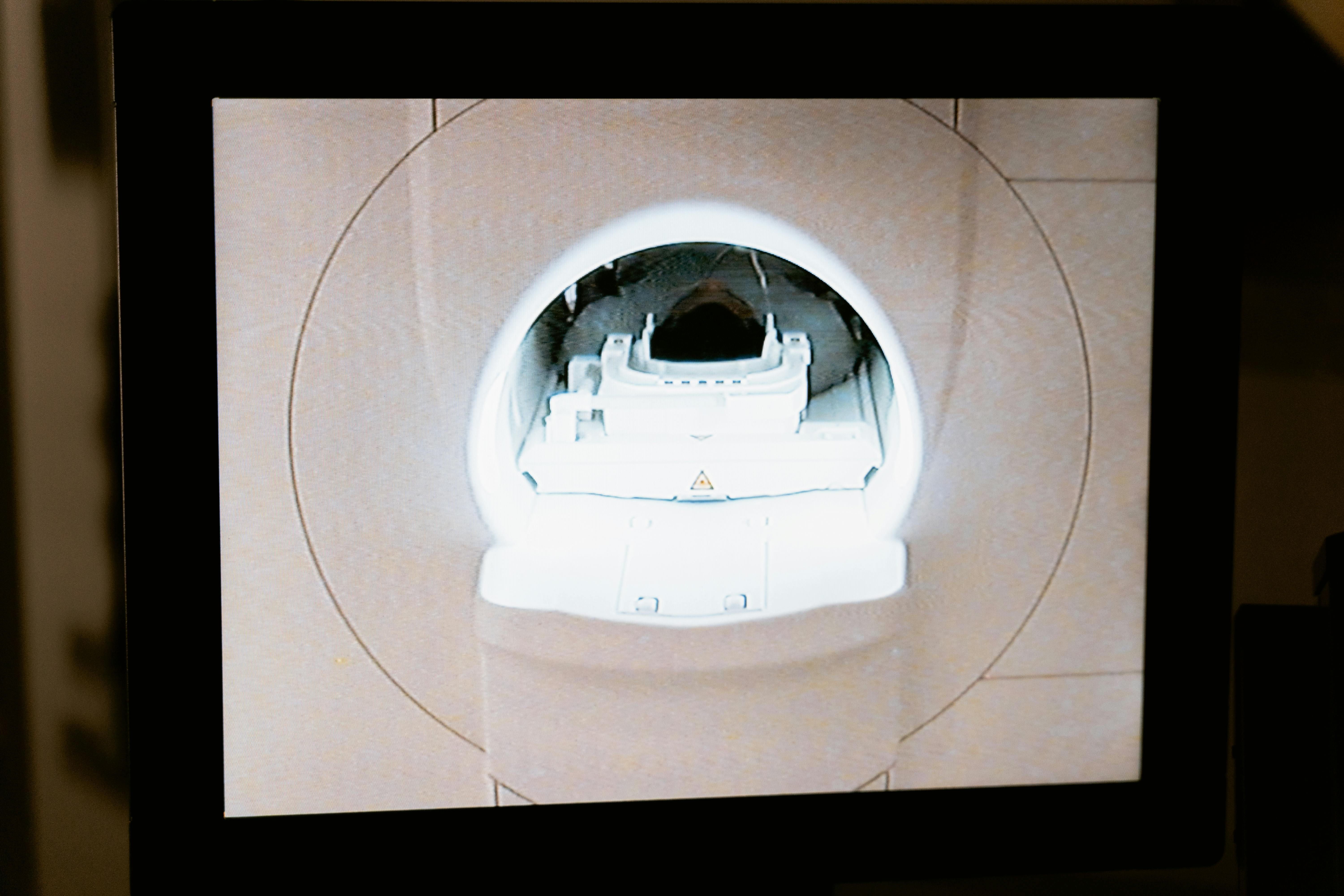
The evolving landscape of healthcare has witnessed significant advancements, particularly in the realm of diagnostic imaging. This evolution is pivotal in enhancing patient care, providing precise, timely, and comprehensive insights into patients’ health. Advanced diagnostic imaging plays a crucial role in the accurate diagnosis and treatment of a plethora of medical conditions. As medical technologies continue to mature, the integration of these sophisticated imaging techniques into routine clinical practice marks a transformative shift in healthcare delivery.
The Importance of Advanced Diagnostic Imaging
Advanced diagnostic imaging is integral to modern medicine. It allows healthcare professionals to delve deeper into the intricacies of the human body, identifying abnormalities that may not be apparent through conventional diagnostic methods.
Benefits of Advanced Imaging Techniques
- Non-invasive Procedures: These techniques reduce the need for exploratory surgeries by providing clear internal images.
- Early Detection: Conditions such as cancer and heart disease can be detected in their initial stages, allowing for prompt intervention.
- Enhanced Precision: Improved imaging leads to more accurate diagnoses and personalized treatment plans.
- Comprehensive Monitoring: Continuous imaging capabilities allow for effective monitoring of disease progression and treatment efficacy.
Types of Advanced Diagnostic Imaging
Several advanced imaging modalities contribute to comprehensive patient care. These include, but are not limited to:
Computed Tomography (CT) Scans
CT scans provide cross-sectional images of the body, offering detailed insights into bone structures, blood vessels, and soft tissues. This modality is especially useful for diagnosing complex conditions such as trauma, cancer, and vascular diseases.
Magnetic Resonance Imaging (MRI)
MRI utilizes powerful magnets and radio waves to produce detailed images of organs and tissues. It is particularly effective in neurological, musculoskeletal, and cardiovascular imaging.
Nuclear Medicine Imaging
This sophisticated technique involves the use of small amounts of radioactive materials to diagnose, evaluate, and treat various diseases. It provides functional information that complements anatomical imaging, offering a comprehensive view of patient health.
Integration in Clinical Practice
The integration of advanced diagnostic imaging into clinical practice has been facilitated by the development of specialized radiological imaging services. These services aid healthcare providers in making informed decisions, ultimately improving patient outcomes.
Collaboration with Medical Experts
Collaboration between radiologists, technicians, and other healthcare professionals ensures that the benefits of advanced imaging are maximized. This multidisciplinary approach is a hallmark of effective patient care.
Access to Cutting-edge Technology
Access to state-of-the-art imaging technologies is crucial. Institutions offering medical imaging services are at the forefront of this technological integration, ensuring that patients receive the highest standard of care.
Conclusion
The role of advanced diagnostic imaging in enhancing patient care is undeniable. It empowers healthcare providers with the tools needed to deliver accurate diagnoses, effective treatment plans, and continuous monitoring of patient progress. As medical technologies advance, the potential for even more sophisticated imaging solutions continues to grow, promising even greater improvements in patient outcomes and overall healthcare efficiency.
