Expert Advice on AC Installation Best Practices
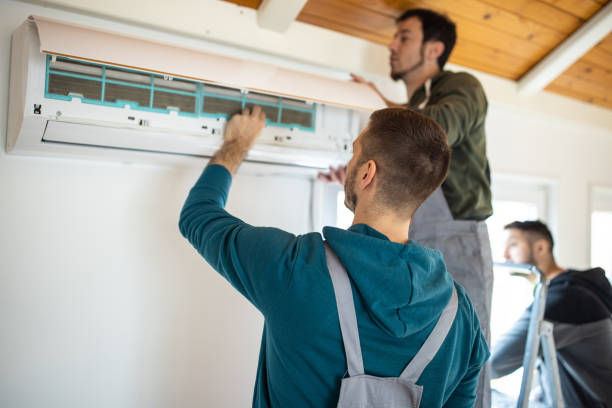
Air conditioning systems are essential in maintaining comfort and improving indoor air quality, especially during the hot summer months. However, a successful ac installation requires careful planning and adherence to best practices to ensure efficiency and longevity. This article explores expert advice on AC installation to help guide both professionals and consumers in making informed decisions.
Understanding the Importance of Proper Installation
The foundation of an efficient air conditioning system lies in its proper installation. Improper installation can lead to reduced efficiency, increased energy costs, and a shorter lifespan for the unit. Recognizing the significance of a meticulous installation process is crucial for achieving optimal performance.
Choosing the Right System
Choosing the right AC system for your space is the first step in ensuring effective cooling:
- Consider the size of the area to be cooled. An undersized unit will struggle, while an oversized unit may lead to inefficiencies.
- Factor in energy efficiency ratings. Opt for systems with higher SEER (Seasonal Energy Efficiency Ratio) ratings for better performance and cost savings.
- Evaluate additional features such as smart thermostats and variable speed blowers that enhance comfort and efficiency.
Installation Best Practices
Adhering to best practices during installation is key to maximizing the AC unit”?s performance:
- Site Assessment: Conduct a thorough site assessment to determine the best location for the indoor and outdoor units, considering factors like airflow and accessibility.
- Secure Mounting: Ensure that the outdoor unit is mounted securely on a stable platform to prevent vibrations and noise.
- Proper Insulation: Insulate refrigerant lines to prevent energy loss and improve efficiency.
- Electrical Connections: Verify that all electrical connections are secure and comply with local safety regulations.
Post-Installation Checks and Maintenance
Once the installation is complete, conducting thorough post-installation checks is essential in ensuring the system operates correctly:
Testing and Calibration
Test the system to confirm it is functioning as intended:
- Run the system through a complete cycle to ensure proper operation and cooling capacity.
- Calibrate the thermostat to match the desired temperature settings accurately.
- Check for any unusual noises or vibrations that could indicate potential issues.
Regular Maintenance
Regular maintenance is vital in prolonging the lifespan of the AC unit and maintaining its efficiency:
- Schedule periodic inspections to identify and rectify issues before they escalate.
- Clean or replace air filters regularly to ensure optimal airflow and air quality.
- Inspect and clean coils and fins to maintain efficient heat exchange.
Conclusion
A successful air conditioning installation hinges on meticulous planning, adherence to best practices, and ongoing maintenance. By ensuring these elements are in place, homeowners and professionals can enjoy reliable and efficient cooling throughout the year. For more detailed guidance, consider consulting professionals specializing in ac installation.
