Expert Tips for Maintaining Your Septic System: Advice from a Inspection Company
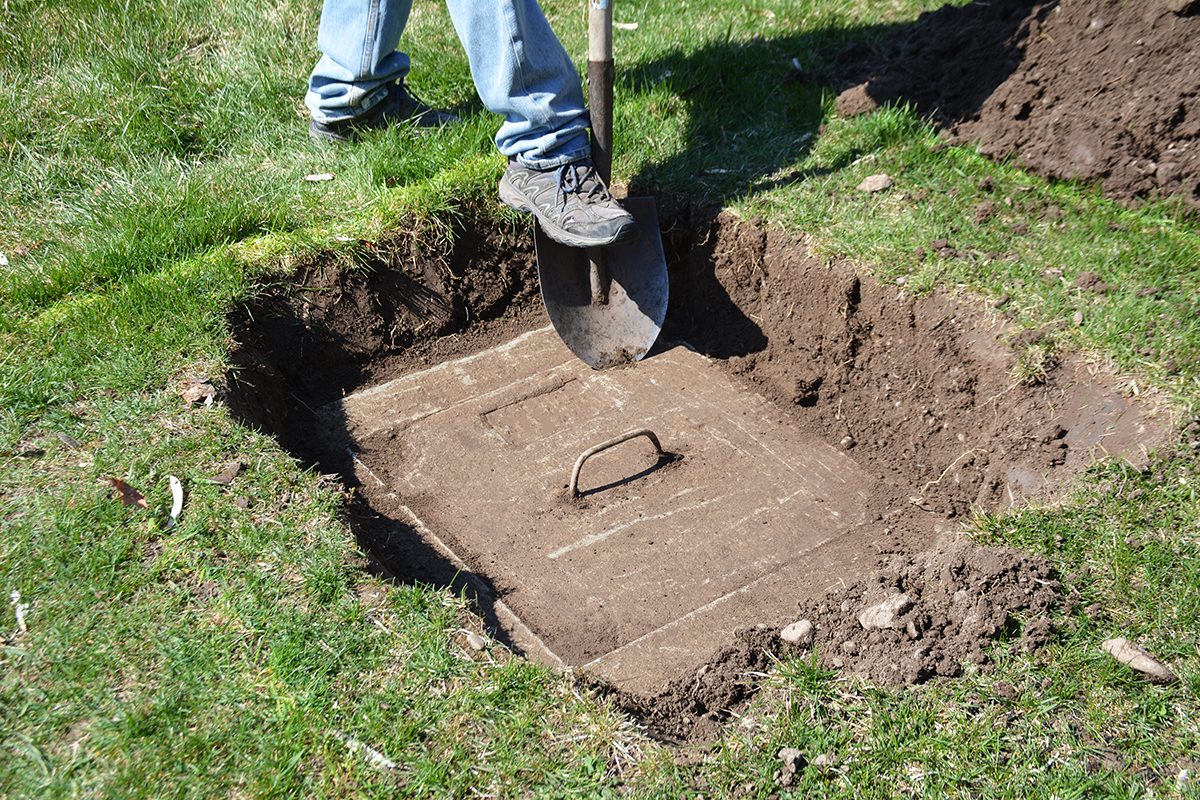
Maintaining a septic system may not be the most glamorous aspect of homeownership, but it is crucial to ensure a hygienic and functional living environment. A well-maintained septic system not only serves your home efficiently but also extends the lifespan of the entire setup. To ensure optimal performance, it’s essential to adhere to expert advice and best practices when it comes to septic system care. This guide offers professional insights from a septic inspection company, aimed at helping homeowners maintain their systems effectively.
Understanding Your Septic System
Before diving into maintenance tips, it is important to understand what a septic system does. A typical septic system consists of a septic tank and a drain field. The septic tank collects all the wastewater from a household, where solids settle at the bottom, and liquids flow into the drain field for further treatment. Keeping this system in good condition is vital for its efficiency.
Regular Inspections and Pumping
Schedule Routine Inspections
– Engage with a professional septic inspection company for regular inspections. This ensures any potential issues are identified early.
– Inspections should be conducted every 1 to 3 years, depending on the size of your household and the system’s capacity.
– A thorough inspection can prevent costly repairs and prolong the life of your septic system.
Importance of Pumping
– Regular pumping of the septic tank is essential. This should occur every 3 to 5 years, or more frequently for larger households.
– Pumping removes accumulated solids, preventing overflow and potential damage to the drain field.
– It is important to hire professionals to perform this task to ensure it is done safely and effectively.
Smart Water Usage
Conserve Water
– Reducing water usage can alleviate stress on the septic system. Opt for water-efficient appliances and fixtures.
– Fix leaky faucets and toilets promptly to avoid unnecessary water flow into the system.
– Spread out laundry and dishwashing over several days rather than doing it all at once.
Mindful Disposal
– Avoid flushing non-biodegradable items down the toilet, such as wipes, diapers, and sanitary products.
– Use septic-safe toilet paper to prevent clogs and damage.
– Dispose of kitchen grease and oils in the trash, not down the drain, to prevent blockages.
Protect the Drain Field
– Avoid parking vehicles or placing heavy objects over the drain field to prevent soil compaction and damage.
– Plant trees and shrubs at a safe distance to prevent roots from infiltrating and damaging the system.
– Regularly check for signs of failure, such as pooling water or foul odors, and address these issues promptly.
Stay Informed and Prepared
– Keep records of all maintenance, inspections, and pumping schedules for reference.
– Educate household members about the importance of septic system care to ensure everyone follows best practices.
– In case of any issues or concerns, contact a professional septic inspection company promptly to address the problem.
Maintaining a septic system requires diligence and consistent care, but the benefits of a well-functioning system are significant. By following these expert tips, homeowners can ensure their septic systems operate efficiently and effectively for years to come. For additional peace of mind, consider exploring customer reviews to see what others are saying about professional services. Check out customer reviews here.
