Expert Tips for Maintaining Your Septic Tank System
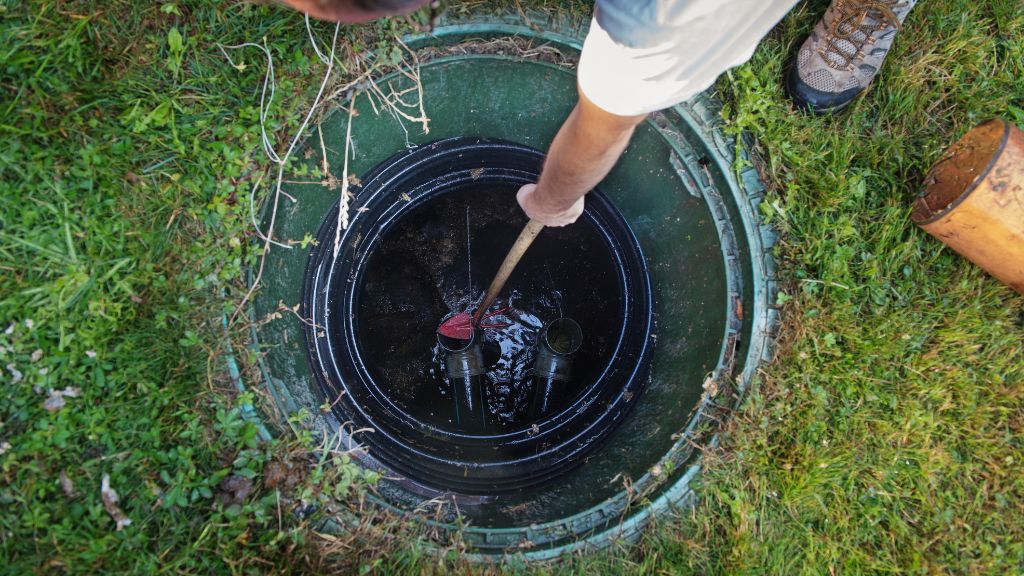
Maintaining a septic tank system is an essential responsibility for homeowners who rely on it for wastewater management. Proper upkeep of this crucial system ensures its longevity and efficiency, averting costly repairs and potential environmental hazards. For those unfamiliar with septic systems, understanding the maintenance process can seem daunting. However, with the right information and guidance, keeping your septic system in top condition can be straightforward and manageable. This article provides expert advice and practical tips to help homeowners maintain their septic tank systems efficiently.
Understanding the Basics of Septic Tank Maintenance
A septic tank system is designed to treat and dispose of household wastewater through a combination of natural processes and technology. Regular maintenance is vital to preventing system failures and ensuring optimal performance. The key components of a septic system include the tank itself, the drain field, and the soil surrounding the system. Each of these elements requires attention and care to function correctly.
Routine Inspections
Regular inspections are crucial in identifying potential issues before they become significant problems. A septic system should be inspected at least every three years by a professional. During these inspections, experts will:
- Check the sludge and scum levels in the tank.
- Inspect the system’s mechanical components.
- Evaluate the drain field for signs of failure.
Septic Tank Pumping
Routine septic tank pumping is necessary to remove accumulated sludge and scum, preventing overflow and system failure. The frequency of pumping depends on several factors, including the size of the tank and the number of occupants in the home. On average, a septic tank should be pumped every three to five years. Regular pumping will help maintain the system’s efficiency and prevent unpleasant odors or backups.
Best Practices for Septic Tank Care
Adopting best practices for septic tank care can significantly extend the life of the system and prevent costly repairs. Consider these tips:
Water Conservation
Reducing water usage helps to minimize the load on the septic system. Implementing water-saving practices such as using high-efficiency fixtures, repairing leaks promptly, and spreading out laundry loads can significantly impact the system’s performance. Less water entering the system means less stress on the tank and drain field.
Proper Waste Disposal
Being mindful of what goes down the drain is crucial. Avoid disposing of non-biodegradable items, grease, and hazardous chemicals in sinks or toilets. These substances can harm the system’s natural processes and lead to blockages or damage. Educating all household members about appropriate waste disposal can prevent these issues.
Maintaining the Drain Field
The drain field is an integral part of the septic system, responsible for filtering and distributing treated wastewater. To ensure its effectiveness:
- Avoid parking vehicles or placing heavy objects on the drain field.
- Ensure proper landscaping to prevent roots from invading the system.
- Direct rainwater and runoff away from the drain field to prevent saturation.
Conclusion
Proper maintenance of a septic tank system is not only crucial for household sanitation but also for environmental protection. By following these expert tips, homeowners can ensure their systems remain efficient and long-lasting. Regular inspections, appropriate waste disposal, and necessary septic tank pumping are pivotal in maintaining the health of the system. By investing time and effort into these practices, one can prevent costly repairs and contribute to a healthier environment.
