Exploring HBOT Treatment for Long COVID: A Promising Therapy
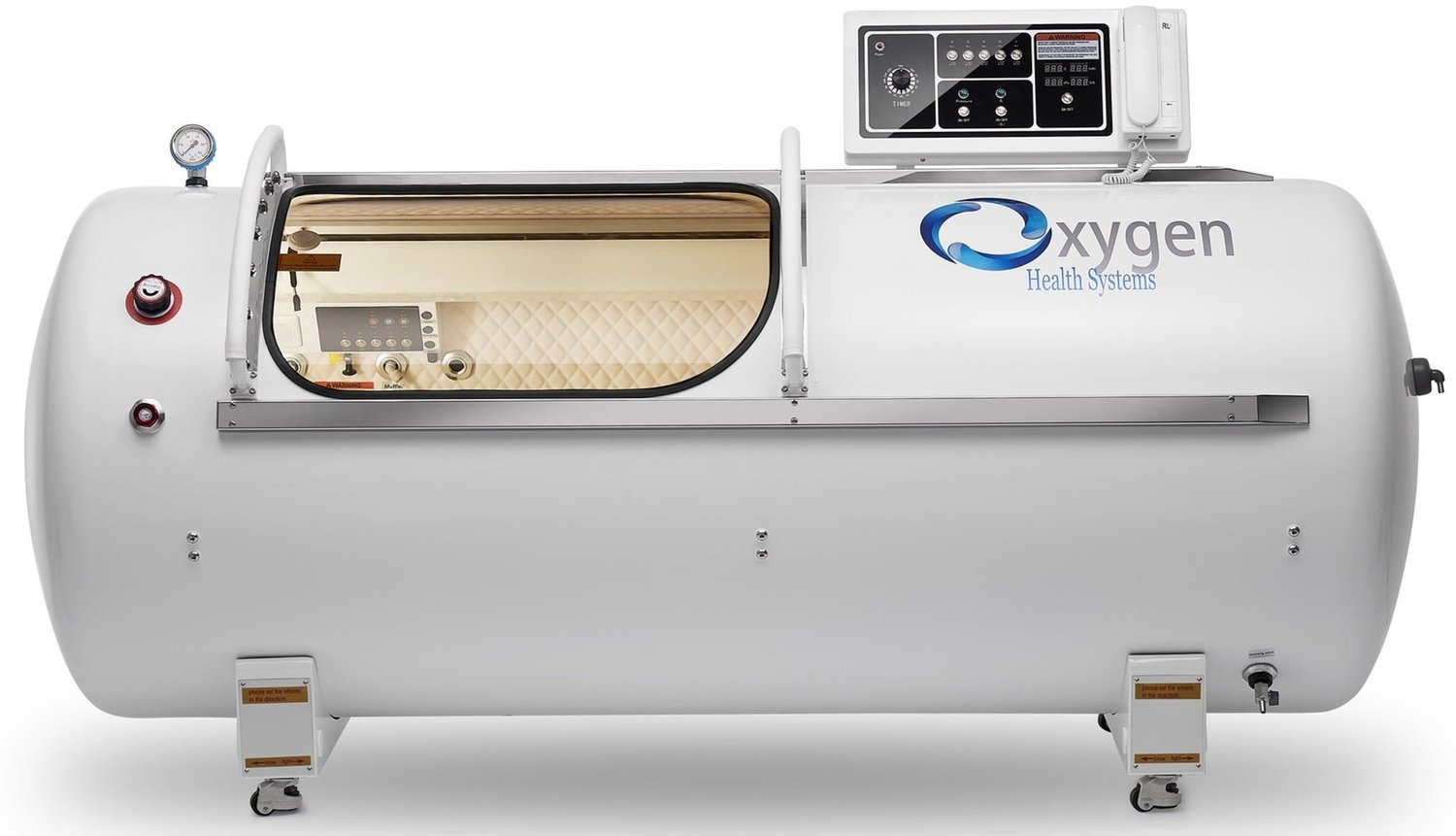
The aftermath of the COVID-19 pandemic continues to challenge the medical community, with Long COVID emerging as a persistent and complex condition affecting millions worldwide. Characterized by lingering symptoms such as fatigue, brain fog, and respiratory issues, Long COVID demands innovative approaches to treatment. One such promising therapy is Hyperbaric Oxygen Therapy (HBOT). This article delves into how HBOT is being explored as a potential solution for Long COVID, highlighting its mechanisms, benefits, and the promising results it has shown in recent studies.
Understanding Long COVID and Its Challenges
Long COVID, or post-acute sequelae of SARS-CoV-2 infection (PASC), is a multifaceted condition that can affect various bodily systems. Patients may experience:
- Persistent fatigue and muscle weakness
- Difficulty concentrating and memory issues (commonly referred to as “brain fog”)
- Shortness of breath and chest pain
- Sleep disturbances
- Anxiety and depression
These symptoms can last for weeks or even months after the initial infection, significantly impacting quality of life. Traditional treatment strategies often fall short, necessitating the exploration of alternative therapies. Find out more about this approach.
How HBOT Works
The Science Behind HBOT
Hyperbaric Oxygen Therapy involves breathing pure oxygen in a pressurized environment. This process significantly increases oxygen availability in the blood and tissues, which can enhance healing processes, reduce inflammation, and promote better organ function. The increased oxygen levels can:
- Boost the body’s immune response
- Facilitate the repair of damaged tissues
- Enhance mitochondrial function and energy production
- Improve cognitive function by increasing blood flow to the brain
This unique mechanism of action makes HBOT a compelling candidate for addressing the multifaceted symptoms of Long COVID. Explore advanced guides and tips.
Promising Research and Clinical Trials
Recent studies have begun to highlight the potential of HBOT in alleviating Long COVID symptoms. Clinical trials have reported improvements in patients’ cognitive function, energy levels, and overall quality of life. Key findings include:
- A reduction in neuroinflammatory markers
- Improved neurocognitive performance
- Reduction in chronic fatigue symptoms
- Enhanced quality of sleep and mood
These results suggest that HBOT could be a viable option for those suffering from the enduring effects of COVID-19. Discover expert strategies here.
Integrating HBOT into Treatment Plans
While HBOT shows promise, it is crucial to consider it as part of a comprehensive treatment plan tailored to individual patient needs. Collaboration with healthcare providers is essential to determine the suitability of HBOT and ensure it complements other therapies. Patients should:
- Consult with healthcare professionals experienced in HBOT
- Consider complementary therapies to address specific symptoms
- Maintain a balanced diet and engage in regular physical activity
- Monitor symptoms and report changes to their healthcare provider
For those seeking innovative solutions to Long COVID, HBOT presents an intriguing possibility. Learn about our tailored solutions.
Conclusion
As the world adapts to the long-term implications of COVID-19, exploring novel therapies like HBOT is vital. It offers a glimmer of hope for those grappling with the persistent symptoms of Long COVID, potentially improving their quality of life and aiding recovery. Continued research and clinical evaluation will be crucial in fully understanding and maximizing the potential benefits of HBOT for Long COVID patients.
