Exploring Modern Foundation Underpinning Methods for Structural Stability
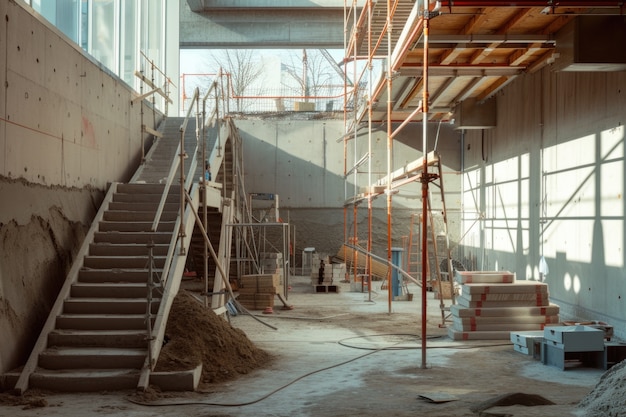
Foundation underpinning is a critical process in maintaining the structural integrity of buildings, especially when dealing with subsidence or weak soil conditions. Modern underpinning methods have evolved significantly, offering innovative solutions to address these challenges more efficiently. In this article, we will explore various modern underpinning techniques that ensure structural stability, providing insights for both residential and commercial applications. By understanding these methods, property owners can make informed decisions about their foundation repair needs.
Understanding Foundation Underpinning
Foundation underpinning involves strengthening and stabilizing the existing foundation of a building. This is typically necessary when the original foundation is no longer strong enough to support the building due to various factors, such as soil subsidence, poor initial construction, or changes in building use. Modern underpinning techniques have been developed to address these challenges effectively, ensuring safety and longevity.
Causes of Foundation Weakness
- Soil subsidence or erosion
- Poor construction practices
- Changes in the surrounding environment
- Increased load from building modifications
For detailed guidance on addressing these issues, explore advanced guides and tips on modern underpinning solutions.
Modern Underpinning Methods
There are several modern methods of underpinning that have been developed to enhance structural stability. Each method offers unique benefits and is chosen based on specific project needs.
Mass Concrete Underpinning
This traditional method involves extending the existing foundation depth to a more stable soil layer. While it is labor-intensive, it is effective for certain types of structures.
Beam and Base Underpinning
An advanced version of mass concrete underpinning, this method uses reinforced concrete beams to distribute the building’s load more evenly across a wider area. It is ideal for buildings with heavy loads.
Mini-Piled Underpinning
Mini-piles are used in situations where access is limited. This method is suitable for sites with variable ground conditions or where deep foundations are required. Find out more about this approach to understand how mini-piled underpinning can benefit your project.
Jet Grouting
Jet grouting is a highly versatile method that involves injecting a high-pressure cement grout to stabilize the soil beneath foundations. It is particularly useful in difficult ground conditions.
To learn more about tailored solutions for various underpinning needs, discover expert strategies here.
Benefits of Modern Underpinning Techniques
The adoption of modern underpinning methods offers several advantages:
- Increased structural stability and safety
- Cost-effectiveness and efficiency
- Minimized disruption to the building and its occupants
- Adaptability to various soil conditions and building types
For more insights into these benefits, learn about our tailored solutions that ensure long-term stability and safety.
Customer Experiences and Feedback
Understanding the real-world effectiveness of underpinning methods can be enhanced by reviewing customer feedback. Check out customer reviews here to see what others are saying about the quality and reliability of modern underpinning techniques.
In conclusion, modern foundation underpinning methods provide robust solutions for maintaining structural stability. By selecting the appropriate technique and engaging experienced professionals, property owners can ensure their buildings remain safe and secure for years to come. For comprehensive information and support, explore advanced guides and tips on foundation underpinning.
