Exploring the Science Behind Osteopathic Manipulative Therapy
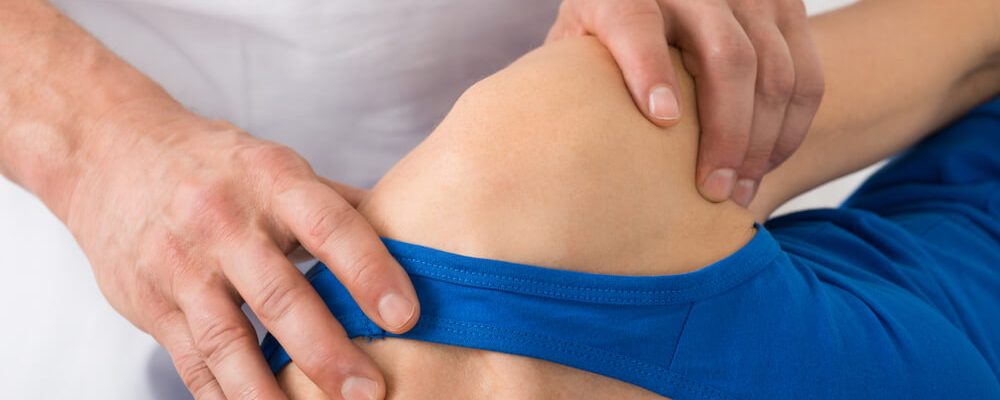
Osteopathic Manipulative Therapy (OMT) is an integral facet of osteopathic medicine, which emphasizes a holistic approach to healthcare. This therapeutic technique is designed to enhance body mechanisms, promote healing, and improve function. By considering the interconnectedness of the body’s systems, osteopathic practitioners aim to address not just the symptoms, but also the underlying causes of physical discomfort. This article delves into the scientific principles underpinning OMT, offering insights into its benefits and applications.
Understanding Osteopathic Manipulative Therapy
OMT is a hands-on treatment method that is employed by osteopathic physicians to alleviate pain, restore motion, and support the body?s natural healing processes. It involves a wide array of techniques such as stretching, gentle pressure, and resistance.
Principles of Osteopathy
The foundation of OMT is rooted in four key principles that define osteopathy as a whole:
- The human body is an integrated unit comprising body, mind, and spirit.
- The body possesses self-regulatory mechanisms, allowing it to naturally heal and maintain health.
- Structure and function are reciprocally interrelated, meaning that the body?s structure affects its function and vice versa.
- Rational therapy is based on an understanding and application of these principles.
These principles guide osteopathic practitioners in diagnosing and treating patients, ensuring a comprehensive approach to healthcare. Find out more about this approach.
Scientific Evidence and Effectiveness
Research has consistently shown that OMT can be effective in treating a variety of conditions. By applying these techniques, practitioners can:
- Alleviate musculoskeletal pain.
- Enhance circulation and lymphatic flow.
- Improve overall mobility and flexibility.
- Support the body?s natural healing processes.
The effectiveness of OMT is particularly well-documented in conditions like lower back pain, neck pain, and migraines. For those seeking alternative methods to manage pain and improve function, OMT offers a viable solution. Discover expert strategies here.
Applications of Osteopathic Manipulative Therapy
OMT is versatile and can be applied to a wide range of medical conditions, catering to patients of all ages. Some of its applications include:
Musculoskeletal Disorders
OMT is frequently employed to address musculoskeletal issues such as:
- Chronic back and neck pain.
- Sports injuries and recovery.
- Postural problems resulting from ergonomic stress.
By focusing on the body?s alignment and biomechanics, OMT can help alleviate pain and improve function. Learn about our tailored solutions.
Non-Musculoskeletal Conditions
Beyond musculoskeletal complaints, OMT can also assist with:
- Respiratory issues such as asthma.
- Digestive problems, including irritable bowel syndrome.
- Neurological conditions like migraines.
This broad applicability makes OMT a valuable tool in holistic healthcare, ensuring that treatment is not isolated to one system of the body. Explore advanced guides and tips.
Conclusion
Osteopathic Manipulative Therapy stands out as a distinctive approach within the realm of holistic health care. Its foundation in the interconnectedness of the body?s systems and its ability to address both structural and functional issues make it a comprehensive treatment option. Whether dealing with chronic pain, seeking to improve overall health, or addressing specific conditions, OMT offers a scientifically grounded and effective solution. For those interested in exploring this therapeutic approach further, find out more about this approach.
