How to Choose the Best Toner for Acne Prone Skin
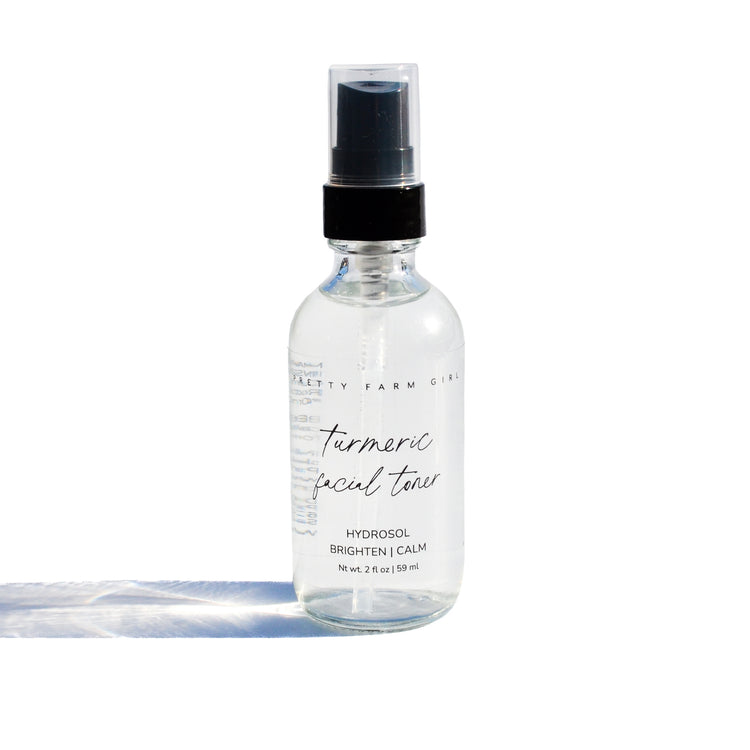
Choosing the right toner for acne-prone skin can be a daunting task given the myriad of options available on the market. Toners are an essential part of a skincare routine, especially for those struggling with acne, as they help to remove excess oil, tighten pores, and maintain the skin?s natural pH balance. However, finding a product that is gentle yet effective requires an understanding of key ingredients and personal skin needs. This guide provides insights into selecting the best toner for acne-prone skin, ensuring a balance between efficacy and skin health.
Understanding Acne-Prone Skin
Acne-prone skin is characterized by frequent breakouts, blackheads, and clogged pores. It is typically more sensitive and reacts to certain ingredients, making it crucial to choose products carefully. Here are some key factors to consider:
- Oil Control: Excess sebum production can lead to breakouts. A toner that helps regulate oil can be beneficial.
- Pore Tightening: Large pores can become clogged with dirt and oil, leading to acne. A toner that minimizes pores can help prevent this.
- pH Balance: The skin’s natural pH is slightly acidic. Using a toner that maintains this balance is essential for preventing skin irritation and breakouts.
Key Ingredients to Look For
When selecting a best toner for acne prone skin, certain ingredients can offer significant benefits in managing acne. Look for the following:
Salicylic Acid
Salicylic acid is a beta hydroxy acid (BHA) that is particularly effective in treating acne due to its ability to penetrate deeply into the pores and dissolve debris. It also has anti-inflammatory properties that help reduce redness and swelling.
Witch Hazel
This natural astringent is known for its ability to tighten pores and reduce inflammation. Witch hazel can also help to remove excess oil, making it a popular choice in toners for oily and acne-prone skin.
Tea Tree Oil
Renowned for its antibacterial properties, tea tree oil can help combat the bacteria that cause acne. It is a natural alternative to harsher chemical ingredients and is often included in formulations aimed at soothing irritated skin.
Niacinamide
Niacinamide, or Vitamin B3, is effective in reducing inflammation and redness associated with acne. It also helps to regulate oil production and improve the skin?s barrier function.
Ingredients to Avoid
While some ingredients are beneficial, others can exacerbate acne or irritate sensitive skin. Avoid the following when searching for the best toner for acne:
- Alcohol: While it can temporarily dry out acne, alcohol can strip the skin of its natural oils and lead to increased oil production.
- Fragrances: Synthetic fragrances can irritate the skin and cause allergic reactions, which can worsen acne.
- Parabens: These preservatives can cause irritation and disrupt hormonal balance, potentially leading to skin issues.
Tailoring the Toner to Your Routine
Integrating the right toner into a skincare routine involves more than just choosing the right product. Consider the following:
Consistency
For those with acne-prone skin, consistency is key. Use your toner regularly, ideally twice a day after cleansing, to maintain clear skin.
Layering Products
After applying toner, follow up with a moisturizer to lock in hydration. This is especially important if the toner contains active ingredients like salicylic acid, which can be drying.
Patch Testing
Before committing to a new toner, perform a patch test to ensure it doesn?t irritate your skin. Apply a small amount to a discreet area and monitor for any adverse reactions.
Conclusion
Selecting the right toner for acne-prone skin is a personalized process that requires attention to specific skin needs and potential triggers. By focusing on ingredients that address acne while avoiding common irritants, individuals can find a rose deep hydration facial toner that enhances their skincare routine without causing additional breakouts. Remember, healthy skin starts with informed choices and consistent care.
