Quality Management Systems for Sustainable Construction
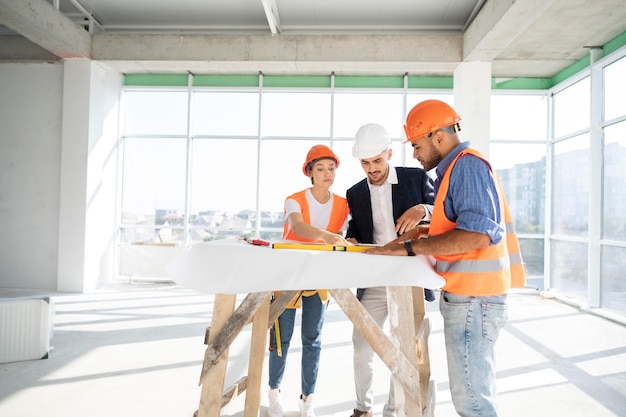
The construction industry is undergoing a transformative phase, emphasizing the need for sustainable development practices. Quality management systems (QMS) play a pivotal role in this transformation by ensuring that construction projects meet high standards while minimizing environmental impacts. As sustainability becomes more critical in project planning and execution, the integration of robust QMS frameworks helps achieve these objectives, enhancing project value and contributing to global sustainability goals.
Understanding Quality Management Systems in Construction
Quality management systems are structured frameworks that guide organizations in consistently delivering high-quality products and services. In the context of construction, QMS ensures that every aspect of a building project, from design to completion, adheres to set quality standards. Here are some key elements of a QMS in construction:
- Process Control: Implementing standardized procedures to ensure consistency in project execution.
- Risk Management: Identifying potential risks and devising strategies to mitigate them.
- Continuous Improvement: Regularly assessing processes and making necessary adjustments to enhance performance.
- Compliance and Standards: Adhering to national and international building codes and regulations.
For further insights into the implementation of quality management systems, explore further insights here.
The Role of QMS in Sustainable Construction
Enhancing Environmental Responsibility
Sustainable construction aims to reduce the environmental footprint of building projects. A well-implemented QMS supports this goal by:
- Resource Efficiency: Optimizing the use of materials and energy during construction.
- Waste Reduction: Implementing waste management practices to minimize construction waste.
- Emission Control: Reducing greenhouse gas emissions through eco-friendly construction techniques.
Quality management systems help in monitoring these aspects, ensuring that sustainability goals are met throughout the project lifecycle. Find additional information here about integrating QMS with sustainable practices.
Improving Economic Viability
Sustainability in construction is not only about environmental impact but also economic benefits. QMS contributes to economic sustainability by:
- Cost Efficiency: Reducing rework and errors, which lowers overall project costs.
- Market Competitiveness: Enhancing reputation and credibility, leading to more business opportunities.
- Lifecycle Costing: Considering long-term costs and benefits of building materials and methods.
These elements ensure that projects are not only environmentally responsible but also financially viable. To understand more about the economic aspects of sustainable construction, learn more in this detailed guide.
Implementing QMS for Sustainable Construction
Key Steps in Implementation
Implementing a quality management system tailored for sustainable construction involves several steps:
- Gap Analysis: Identifying current practices and areas needing improvement.
- Stakeholder Engagement: Involving all stakeholders in the planning and execution phases.
- Training and Development: Equipping the workforce with the necessary skills and knowledge.
- Performance Monitoring: Regularly reviewing project metrics and making data-driven decisions.
These steps are crucial in establishing a robust QMS that supports sustainable construction goals. Read more about this topic to explore detailed implementation strategies.
Conclusion
Incorporating quality management systems into construction practices is essential for achieving sustainability. By focusing on process control, risk management, and continuous improvement, QMS not only enhances construction quality but also aligns with environmental and economic sustainability goals. As the construction industry continues to evolve, the role of QMS in promoting sustainable practices will become increasingly significant. For a deeper dive into the relationship between quality management and sustainable construction, explore further insights here.
