Smooth Transition: Military Pilots’ Path to ATP Certification
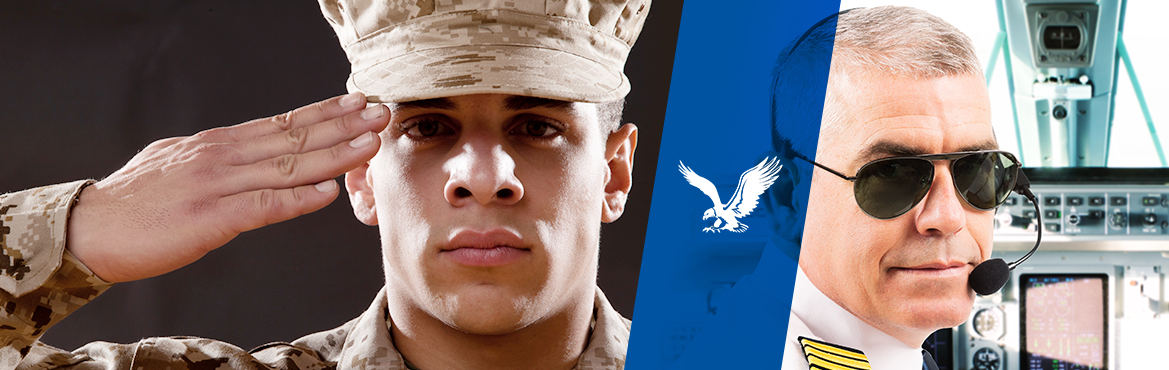
Transitioning from military aviation to civilian aviation can be a significant career move for many pilots. Military pilots possess extensive experience, discipline, and a solid foundation in flying, which makes them excellent candidates for commercial aviation roles. However, obtaining an Airline Transport Pilot (ATP) certification is a key step for military pilots to transition smoothly into civilian aviation roles. This article explores the path military pilots can take to achieve ATP certification, the benefits, and the resources available to streamline this process.
The Importance of ATP Certification
ATP certification is the highest level of aircraft pilot certification, enabling pilots to operate as captains on commercial flights. For military pilots, obtaining this certification is crucial because:
- It opens up a wider range of career opportunities within the commercial aviation sector.
- It ensures compliance with Federal Aviation Administration (FAA) regulations for operating commercial flights.
- It enhances a pilot’s professional credibility and skillset.
Eligibility and Requirements
Military pilots bring a wealth of experience to the table, but they must meet specific requirements to qualify for ATP certification. These include:
- Completing a minimum of 1,500 hours of flight time, which can be reduced to 750 hours for military pilots under certain conditions.
- Possessing a commercial pilot certificate with an instrument rating.
- Passing an ATP knowledge test and practical exam.
For more detailed information on eligibility and requirements, find out more about this approach.
Training Programs Tailored for Military Pilots
Several training programs are specifically designed to help military pilots transition to civilian aviation seamlessly. These programs offer:
Customized Training Modules
- Specialized courses that focus on civilian aviation protocols and standards.
- Simulators that mimic real-world commercial flying scenarios.
Expert Guidance and Mentorship
- Access to experienced instructors who understand the unique needs of military pilots.
- Mentorship opportunities with seasoned commercial pilots.
For those interested in such personalized training, learn about our tailored solutions.
Benefits of a Smooth Transition
Successfully transitioning from military to civilian aviation offers numerous advantages:
- Increased earning potential and career advancement opportunities.
- Opportunities to travel and work with diverse airlines globally.
- Application of military discipline and skills in a civilian context.
Military pilots can successfully leverage their experience in the civilian aviation industry by taking advantage of the resources and training available. Explore advanced guides and tips to ensure a successful transition.
Leveraging Resources and Support
Military pilots have access to several resources and support systems to aid their transition. These include:
- Veteran-friendly aviation programs that recognize military experience.
- Financial assistance options such as the GI Bill to cover training costs.
- Networking opportunities within the aviation industry.
To make the most of these resources, discover expert strategies here.
Military pilots transitioning to civilian aviation and obtaining their ATP certification can greatly benefit from specialized training programs and resources tailored to their unique background. By understanding the requirements and leveraging the available support, they can achieve a smooth and successful transition into the world of commercial aviation.
