Standard Pallets: A Cost-Effective Solution for Shipping and Warehousing
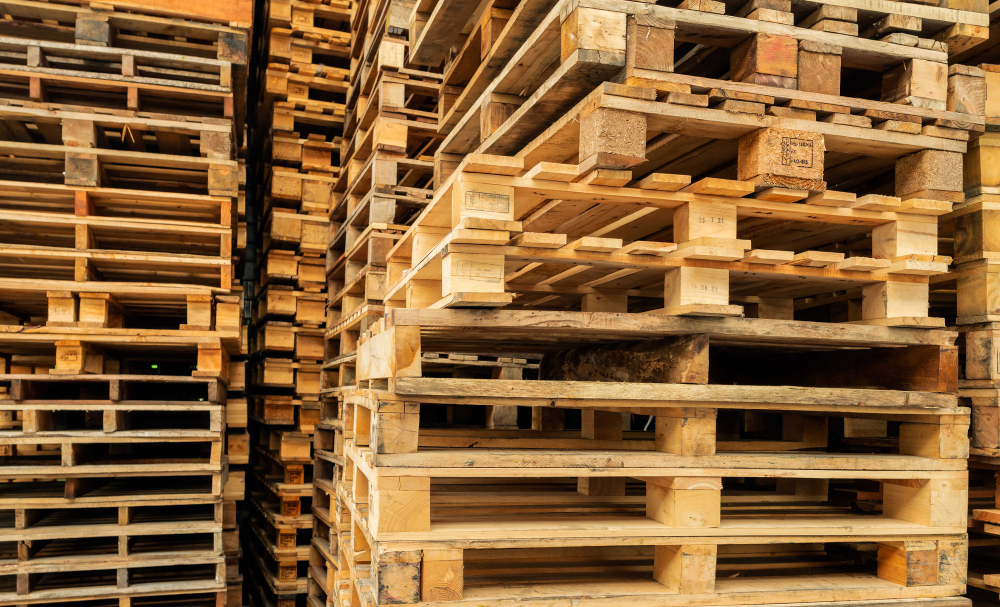
In the logistics and warehousing sector, efficiency and cost-effectiveness are paramount. A cornerstone of this efficiency is the use of standard pallets, which play a crucial role in the seamless movement and storage of goods. These pallets provide a uniform base for loading, transporting, and storing products, simplifying the handling process across various stages of the supply chain. As businesses continue to seek ways to optimize operations and reduce expenses, the adoption of standard pallets proves to be a strategic choice that balances performance with affordability.
The Importance of Standard Pallets in Shipping
Standard pallets offer a range of benefits that enhance shipping processes. Their consistent size and durability ensure that products are securely transported, minimizing the risk of damage. Here are some key advantages:
- Uniform dimensions facilitate easy stacking and optimal use of space in transportation vehicles.
- Compatibility with handling equipment such as forklifts and pallet jacks, which reduces handling time and labor costs.
- Enhanced safety for workers due to reduced manual handling and lower risks of accidents.
Cost-Effectiveness in Warehousing
In warehousing, the use of standard pallets contributes significantly to cost savings. Their design not only supports efficient storage but also enhances inventory management. Consider the following benefits:
- Maximized warehouse space utilization through organized stacking systems.
- Streamlined inventory tracking due to standardized pallet sizes and configurations.
- Reduction in damage costs, as goods are less likely to be mishandled.
Streamlining Operations with Standard Pallets
The integration of standard pallets into warehousing operations facilitates a smooth workflow. This integration is crucial for maintaining consistency and efficiency across various processes:
- Standardized processes enhance predictability and reliability in supply chain operations.
- Improved collaboration with partners and suppliers who use similar pallet systems.
- Facilitation of automated systems, which rely on uniform pallet sizes for effective operation.
Environmental and Economic Benefits
The use of standard pallets not only benefits businesses economically but also supports environmental sustainability. By choosing reusable and recyclable pallet options, companies contribute to reducing waste and conserving resources.
- Reduction in material costs through the use of recycled materials.
- Lower environmental impact due to the reusability of high-quality wooden pallets.
- Support for sustainable practices that align with global environmental goals.
As businesses look to enhance their sustainability credentials, the transition to environmentally friendly pallet solutions becomes even more compelling.
Conclusion
In conclusion, standard pallets are a vital component of effective shipping and warehousing strategies. Their uniformity, cost-effectiveness, and contribution to streamlined operations make them an indispensable choice for companies aiming to improve efficiency and reduce costs. By adopting standard pallets, businesses can not only enhance their logistics processes but also contribute to broader economic and environmental goals. As the logistics industry continues to evolve, the role of standard pallets in ensuring operational excellence and sustainability will remain significant.
