Stay Safe on the Job: The Importance of Quality Safety Shoes
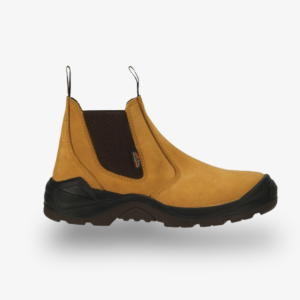
In the diverse landscape of occupational environments, safety is a non-negotiable priority. Whether on a bustling construction site or in a quiet warehouse, ensuring worker safety is paramount. Among the myriad safety equipment available, quality safety shoes stand out as essential. They not only protect workers from potential hazards but also enhance productivity by providing comfort and support throughout the day. Understanding the importance of quality safety shoes can make a significant difference in workplace safety and efficiency.
The Role of Safety Shoes in Workplace Safety
Safety shoes play a crucial role in protecting workers from various hazards that they might encounter on the job. These shoes are designed to shield feet from injuries such as falling objects, electrical hazards, and slips. Investing in safety shoes for workers is a proactive step towards cultivating a safe working environment.
Protection Against Physical Injuries
- Impact Resistance: Safety shoes are equipped with reinforced toes to protect against heavy falling objects.
- Puncture Resistance: The robust soles of safety shoes prevent injuries from sharp objects, such as nails or shards of glass, that could penetrate through regular footwear.
- Slip Resistance: Many safety shoes feature slip-resistant soles that reduce the risk of falls, particularly on wet or oily surfaces.
Additional Safety Features
- Electrical Hazard Protection: Some safety shoes are designed to safeguard against electrical risks, which is crucial for workers in environments with live wires.
- Chemical Resistance: In certain industries, shoes with chemical-resistant properties are essential to prevent damage from spills.
- Thermal Insulation: For those working in extreme temperatures, safety shoes with appropriate insulation offer necessary protection.
Enhancing Comfort and Productivity
While protection is the primary function of safety shoes, comfort should not be overlooked. Quality safety shoes are designed with ergonomic features that contribute to overall worker well-being and productivity.
Comfort Features
- Cushioned Insoles: These provide necessary support and comfort, reducing foot fatigue during long hours of standing or walking.
- Breathable Materials: Proper ventilation prevents moisture build-up, keeping feet dry and comfortable.
- Adjustable Fit: Features such as laces, straps, or elastic gussets allow for a customized fit, enhancing comfort.
Impact on Productivity
Comfortable safety shoes can significantly impact worker productivity. Employees who are not distracted by foot pain or discomfort can focus better on their tasks, leading to improved work performance. Furthermore, well-designed safety shoes reduce the likelihood of work-related accidents, minimizing downtime and enhancing overall productivity.
Choosing the Right Safety Shoes
Selecting the appropriate safety shoes requires consideration of various factors specific to the work environment. Here are some tips to guide the decision-making process:
- Assess Workplace Hazards: Identify the specific risks present in the workplace to determine the necessary safety features in a shoe.
- Consider Comfort and Fit: Prioritize shoes that offer both protection and comfort to ensure they can be worn for extended periods.
- Check Compliance Standards: Ensure that the safety shoes meet the relevant industry standards and certifications.
By choosing the right safety shoes for workers, employers can foster a culture of safety and well-being. This not only protects the workforce but also enhances operational efficiency.
In conclusion, quality safety shoes are an integral part of workplace safety. They provide essential protection against various hazards, contribute to worker comfort, and enhance productivity. Therefore, investing in the right safety footwear is not just a regulatory compliance measure but a commitment to the safety and well-being of the workforce.
