Sustainable Landscape Redesign: Advantages of Mature Tree Preservation
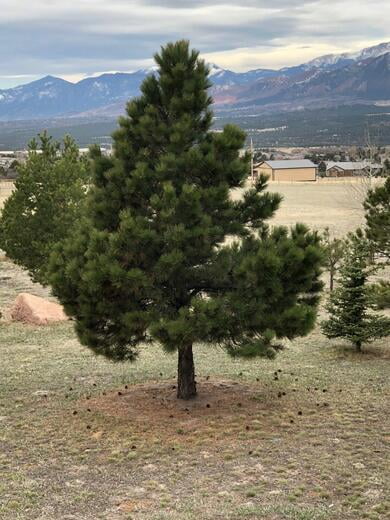
The concept of sustainable landscaping has gained significant attention in recent years as communities and individuals seek eco-friendly solutions to maintain and enhance their outdoor environments. An integral aspect of this movement is the preservation of mature trees, which offers numerous advantages both environmentally and economically. Mature trees provide a host of benefits that range from improving air quality and enhancing biodiversity to increasing property values. Preserving these natural assets during landscape redesign not only supports ecological balance but also contributes to aesthetic and financial gains.
Environmental Benefits of Preserving Mature Trees
Mature trees play a crucial role in sustaining the environment. Their preservation during any landscape redesign can significantly contribute to:
- Carbon Sequestration: Mature trees absorb large amounts of carbon dioxide, helping mitigate climate change.
- Air Quality Improvement: They filter pollutants from the air, producing oxygen and improving overall air quality.
- Soil Stability: Their root systems help prevent soil erosion and maintain soil health.
- Water Conservation: Trees reduce water runoff and help in maintaining the water cycle balance.
For those interested in the eco-friendly aspects of landscaping, explore further insights here.
Economic Advantages of Mature Tree Preservation
Preserving mature trees during landscape redesign can have substantial economic benefits including:
- Increased Property Value: Properties with mature trees often see a rise in market value due to their aesthetic appeal and environmental benefits.
- Energy Cost Reduction: Trees provide natural shade and windbreaks, leading to lower heating and cooling costs.
- Reduced Landscaping Costs: Maintaining existing trees is often less costly than planting new ones and waiting for them to mature.
For a deeper understanding of these financial benefits, learn more in this detailed guide.
Aesthetic and Social Benefits
Beyond economic and environmental advantages, mature trees offer several aesthetic and social benefits:
- Visual Appeal: Mature trees add character and beauty to any landscape, creating a more inviting and pleasant environment.
- Community Well-being: Green spaces with mature trees promote relaxation and can improve mental health for community members.
- Wildlife Habitat: They provide essential habitats for various species, supporting biodiversity.
To understand how mature trees enhance community spaces, find additional information here.
Challenges and Strategies for Preserving Mature Trees
While the benefits are clear, preserving mature trees during landscape redesign can present challenges. These include:
- Root Damage: Construction activities may damage tree roots, affecting the tree’s health.
- Soil Compaction: Heavy machinery can compact soil around trees, limiting root growth and water absorption.
- Pest and Disease Management: Mature trees may be more susceptible to pests and diseases, requiring vigilant management.
To effectively address these challenges, consider the following strategies:
- Conduct thorough site assessments to identify and protect critical root zones.
- Utilize specialized equipment and techniques to minimize soil compaction.
- Implement a proactive pest and disease management plan.
For more strategies on preserving mature trees, read more about this topic.
In conclusion, preserving mature trees during sustainable landscape redesign is a practice that yields significant environmental, economic, and social benefits. By prioritizing the preservation of these natural assets, individuals and communities can foster healthier ecosystems and create more valuable and enjoyable outdoor spaces. Embracing sustainable landscaping practices, particularly in urban settings, ensures that the benefits of mature trees are realized and sustained for future generations.
