Swift Water Damage Restoration Solutions
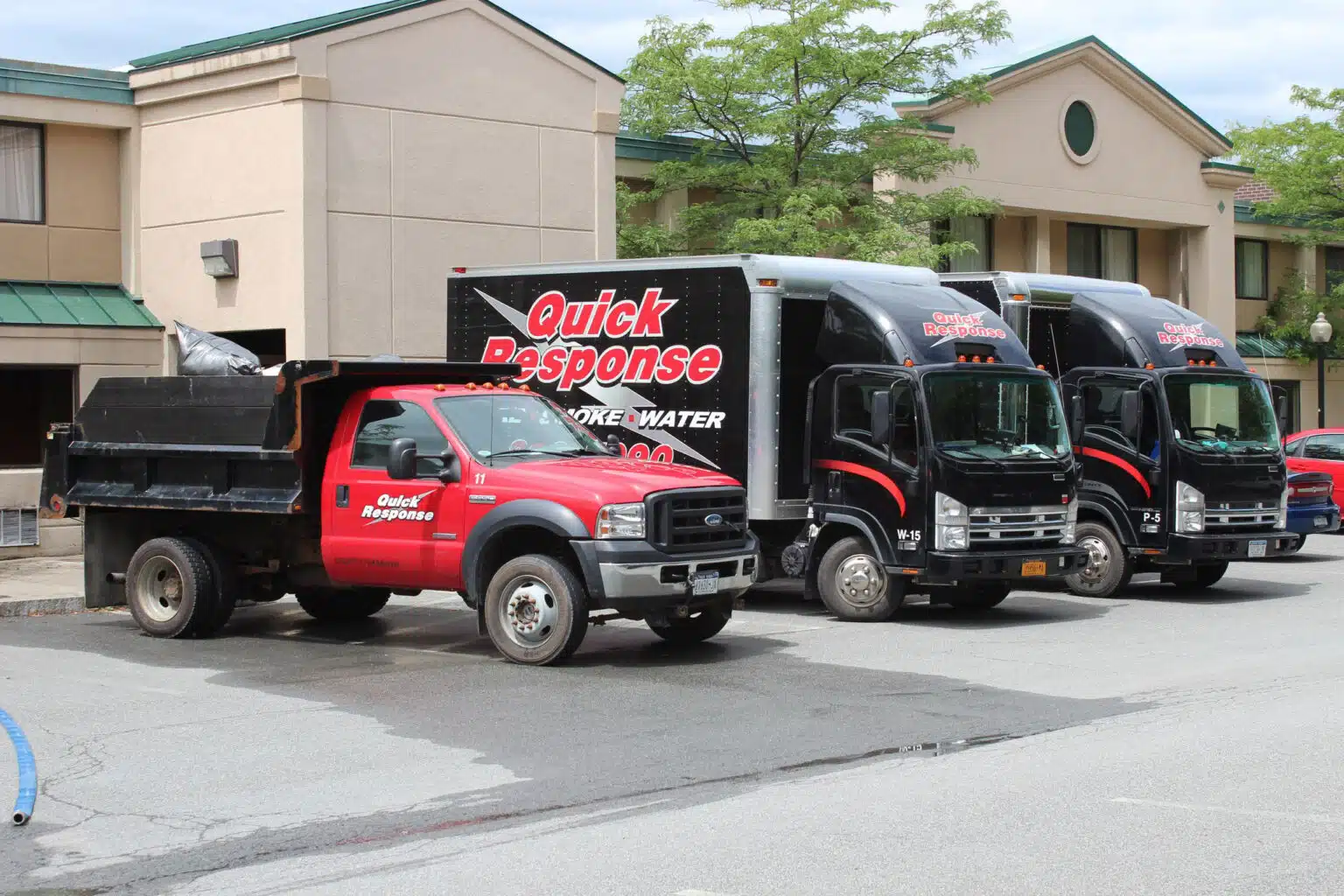
Water damage can wreak havoc on a property, causing structural issues and promoting mold growth if not addressed promptly. Whether the damage is due to a flood, a burst pipe, or a leaky roof, the need for swift and effective restoration solutions is paramount. Understanding the processes involved in water damage restoration can help property owners mitigate damage effectively and restore their premises to their original state.
Understanding Water Damage Restoration
Water damage restoration is a multi-step process aimed at restoring a property to its pre-damage condition. It involves the removal of water, drying, cleaning, sanitizing, and rebuilding. The urgency of these steps cannot be overstated, as timely intervention is crucial to prevent further damage and potential health hazards.
Key Steps in the Restoration Process
- Assessment: Quickly assessing the extent of the damage is the first critical step. This involves identifying the source of the water, the type of water (clean, grey, or black), and the areas affected.
- Water Removal: Extracting water as quickly as possible is essential to prevent further structural damage and mold growth. This typically involves the use of pumps and vacuums to remove standing water.
- Drying and Dehumidification: After the visible water has been removed, the drying process begins. Dehumidifiers and air movers are used to remove moisture from the air and materials in the affected area.
- Cleaning and Sanitizing: Once the area is dry, thorough cleaning and sanitizing are necessary to remove any contaminants and prevent mold growth.
- Restoration and Repair: The final step involves repairing and restoring the property to its original condition. This may include replacing drywall, flooring, and other structural components.
Preventing Water Damage
Prevention is always better than cure. By taking proactive measures, property owners can significantly reduce the risk of water damage. Here are some preventative strategies:
- Regular Inspections: Conduct regular inspections of plumbing systems, roofs, and basements to identify potential issues early.
- Install Water Detection Devices: These devices can alert property owners to leaks or excessive moisture, allowing for quick intervention.
- Maintain Gutters and Downspouts: Ensure that gutters and downspouts are clean and in good condition to facilitate proper drainage.
- Seal Windows and Doors: Proper sealing can prevent water intrusion during heavy rains and storms.
For more tips on preventing water damage, find additional information here.
Technological Advances in Restoration
Advancements in technology have significantly improved the efficiency and effectiveness of water damage restoration. Innovative tools and techniques are now available to aid in the restoration process:
- Infrared Cameras: These devices help identify unseen moisture behind walls and under floors, ensuring no moisture is left untreated.
- High-Powered Air Movers: Modern air movers are more powerful, allowing for faster drying times and reduced risk of mold growth.
- Antimicrobial Treatments: New treatments are available to effectively eliminate bacteria and mold spores, promoting a healthier environment.
For a deeper dive into these technological innovations, explore further insights here.
Conclusion
Swift water damage restoration solutions are crucial for minimizing the impact of water damage on properties. By understanding the steps involved, employing preventative measures, and utilizing advanced technologies, property owners can effectively manage water damage and restore their properties to their original state. For a comprehensive understanding of the restoration process, read more about this topic.
