The Advantages of Fabric Conveyor Belts in Industrial Applications
In the realm of industrial applications, conveyor systems play a crucial role in ensuring efficient and seamless operations. Among the various types of conveyor belts available, fabric conveyor belts have emerged as a popular choice due to their versatility, durability, and cost-effectiveness. These belts are engineered to meet the demands of a wide array of industries, from food processing to heavy manufacturing, providing reliable performance and enhancing operational efficiencies. This article explores the key advantages of fabric conveyor belts, highlighting their significance in industrial settings.
Durability and Strength
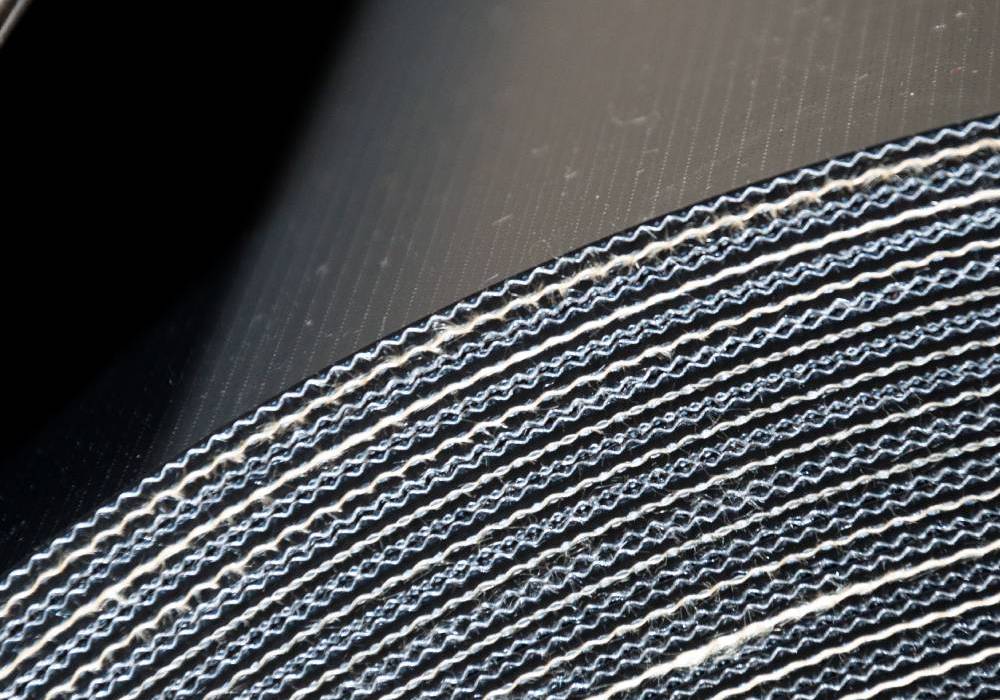
Fabric conveyor belts are known for their robust construction, which is essential for enduring the demanding conditions of industrial environments. These belts are typically made from multiple layers of synthetic fabrics, such as polyester or nylon, that are bonded together to provide:
- High tensile strength, making them suitable for transporting heavy loads.
- Excellent resistance to abrasion and wear, ensuring a longer lifespan.
- Flexibility, which allows them to handle both linear and curved paths.
The durability of these belts translates to reduced maintenance costs and minimal downtime, which are critical factors for industrial productivity.
Versatility in Applications
One of the standout features of fabric conveyor belts is their versatility. They are adaptable to various applications across different industries, including:
- Food and Beverage: Designed to meet hygiene standards, making them ideal for food processing and packaging.
- Logistics and Warehousing: Suitable for sorting and transporting packages efficiently.
- Automotive and Manufacturing: Used in assembly lines to transport components smoothly.
This versatility is attributed to the ability to customize these belts in terms of size, thickness, and surface texture to meet specific operational requirements.
Cost-Effectiveness
Fabric conveyor belts offer a cost-effective solution for industrial operations. Their initial investment is typically lower than that of other conveyor belt types, and their durability reduces the need for frequent replacements. Additionally, these belts:
- Require minimal maintenance, reducing labor costs.
- Are energy-efficient, owing to their lightweight construction.
- Provide a high return on investment due to their extended service life.
These economic advantages make fabric conveyor belts a preferred choice for businesses aiming to optimize their operational budgets.
Environmental Considerations
In today’s environmentally-conscious industrial landscape, sustainability is a significant consideration. Fabric conveyor belts contribute positively to environmental goals by:
- Being manufactured from recyclable materials, reducing landfill waste.
- Offering energy-efficient operation, which lowers carbon footprints.
- Facilitating the reuse and refurbishment of components, enhancing sustainability.
These aspects align with the broader industry trend towards sustainable manufacturing practices, making fabric conveyor belts an eco-friendly choice.
Conclusion
Fabric conveyor belts stand out as a reliable and versatile solution for various industrial applications. Their durability, adaptability, cost-effectiveness, and environmental friendliness make them an appealing option for businesses seeking to enhance operational efficiency. As industries continue to evolve, the demand for high-performance conveyor systems will undoubtedly grow, and fabric conveyor belts are well-positioned to meet these emerging challenges.
