The Art of Tasting Scotch Whisky: A Beginner’s Guide
Scotch whisky, renowned for its unique and complex flavors, has captivated enthusiasts worldwide. For beginners, the journey into the world of scotch whisky can be as daunting as it is exciting. Understanding the nuances of tasting scotch whisky involves more than just sipping; it’s about appreciating the craftsmanship, history, and meticulous attention to detail that goes into every bottle. This guide aims to introduce the fundamentals of tasting scotch whisky, helping newcomers develop a deeper appreciation for this distinguished spirit.
The Basics of Scotch Whisky
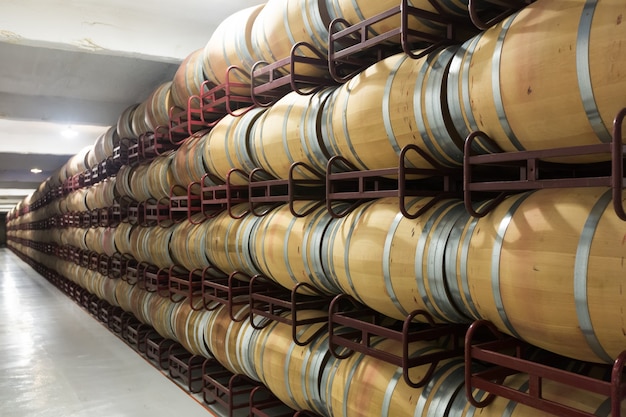
Before diving into tasting, it’s essential to comprehend what sets scotch whisky apart from other spirits. Originating from Scotland, scotch whisky is crafted using water, malted barley, and yeast. It must be aged for a minimum of three years in oak casks, contributing to its rich flavor profile.
Types of Scotch Whisky
Scotch whisky is categorized into several types, each offering a distinct taste experience:
- Single Malt: Made from malted barley at a single distillery, known for its pure expression of flavor.
- Single Grain: Produced at a single distillery, using grains other than barley.
- Blended Malt: A combination of single malts from different distilleries.
- Blended Grain: A mix of single grain whiskies from various distilleries.
- Blended Scotch: A blend of both malt and grain whisky, offering a balanced flavor profile.
The Tasting Process
Tasting scotch whisky is an art that engages all the senses. Here are some steps to guide you through the process:
1. The Visual Inspection
Begin by observing the whisky’s color, which can range from pale gold to deep amber. This can offer clues about its age and the type of cask used during aging.
2. The Aroma
Swirl the whisky gently in the glass to release its aromas. Take a moment to inhale deeply, identifying scents such as fruit, spice, vanilla, or smoke. This sensory evaluation is crucial for appreciating the complexity of scotch whisky.
3. The Taste
Take a small sip and let it linger on your palate. Notice the initial flavors and how they evolve. Pay attention to the mouthfeel, which can range from light to creamy.
4. The Finish
After swallowing, note the finish or aftertaste. A long finish indicates a higher quality whisky, as the flavors continue to evolve and linger.
Tips for Beginners
For those new to scotch whisky, here are some tips to enhance your tasting experience:
- Start with a lighter, less peaty whisky to acclimate your palate.
- Use a tulip-shaped glass to concentrate the aromas.
- Experiment with adding a few drops of water to open up the flavors.
- Pair whisky with foods like cheese or chocolate to explore different taste combinations.
Conclusion
Tasting scotch whisky is a journey that combines the appreciation of flavor, aroma, and history. By understanding the basics and refining your tasting skills, you can develop a profound appreciation for this timeless spirit. Whether enjoying a single malt or a blended scotch, each sip offers a unique opportunity to explore the art of whisky tasting.
