The Importance of Regular Septic Inspections for Your Property
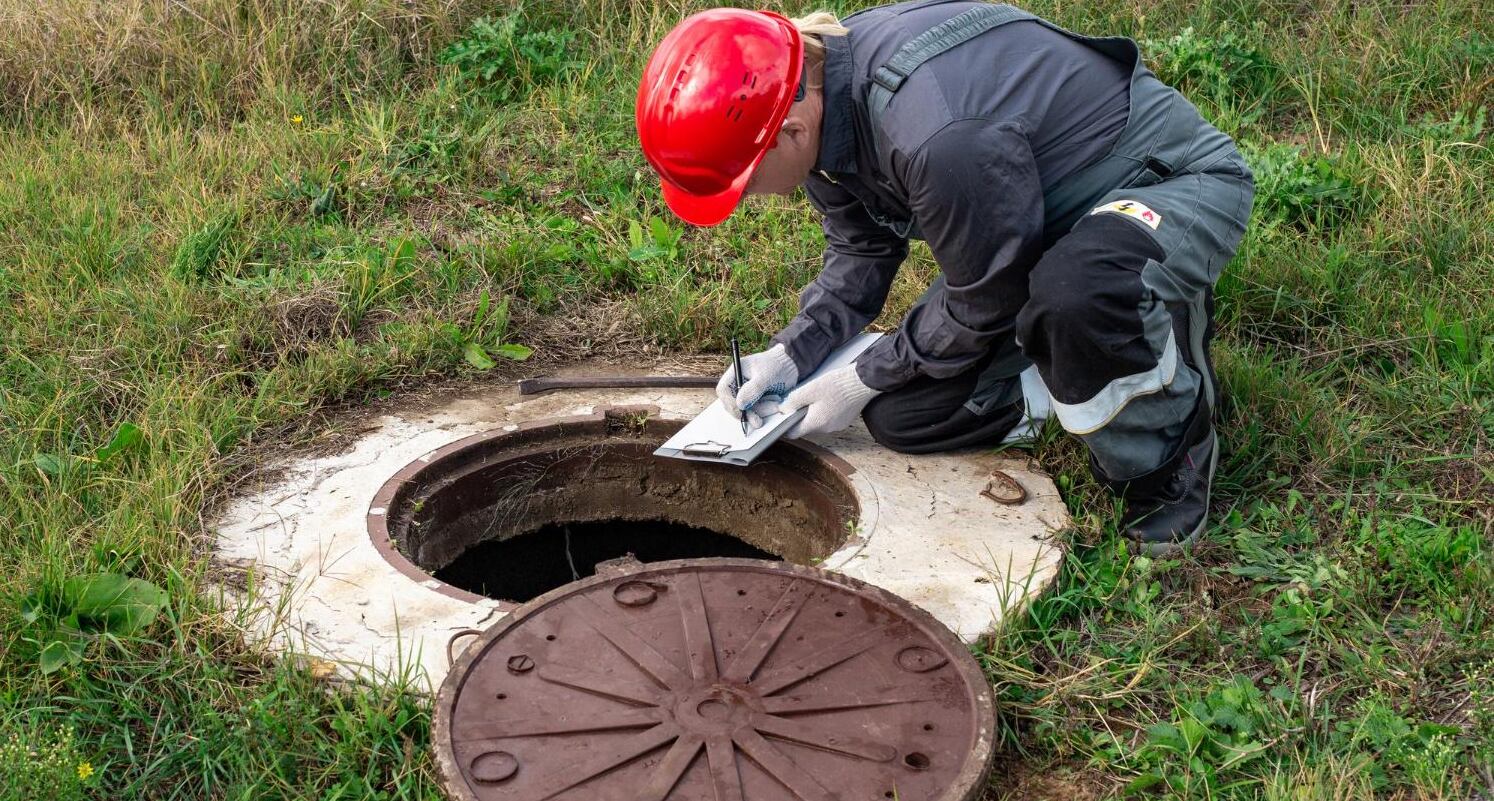
Regular septic inspections are an essential component of maintaining a healthy and efficient septic system. For many property owners, the septic system is out of sight and, therefore, out of mind until a problem arises. However, neglecting routine inspections can lead to costly repairs and potential health hazards. Understanding the importance of these inspections can save money, protect the environment, and ensure the longevity of the system.
Why Regular Septic Inspections Matter
Septic systems are crucial for managing household wastewater, and their proper functioning is vital for environmental safety and public health. Regular inspections help in:
- Identifying potential issues before they become major problems.
- Ensuring the system complies with local regulations and safety standards.
- Extending the lifespan of the septic system by maintaining its efficiency.
- Preventing costly repairs and replacements.
Consulting a septic inspection company for routine checks can help in maintaining the system’s performance and avoiding unexpected failures.
The Inspection Process
Initial Assessment
During a septic inspection, professionals evaluate the condition of the septic tank, drain field, and the surrounding areas. An initial assessment involves:
- Checking the sludge and scum levels in the tank to determine if pumping is required.
- Inspecting the tank for any signs of leaks or structural damages.
- Assessing the drain field to ensure proper absorption and drainage.
Detailed Examination
A more detailed examination may involve:
- Using cameras to inspect the interior of pipes for blockages and damage.
- Testing the soil in the drain field to check for saturation or contamination.
- Evaluating the system’s components, such as pumps and alarms, to ensure they are functioning correctly.
These steps ensure that all aspects of the septic system are thoroughly assessed and functioning properly.
Frequency of Inspections
The frequency of septic inspections can vary based on the size of the household, the size of the septic tank, and local regulations. Generally, it is recommended to conduct a septic inspection every three to five years. However, properties with larger families or older systems may require more frequent inspections.
Benefits of Regular Inspections
Regular septic inspections can offer numerous benefits, including:
- Peace of mind knowing the system is working efficiently and safely.
- Increased property value by ensuring a well-maintained septic system.
- Environmental protection by preventing leaks and contamination.
Moreover, potential buyers often request proof of regular maintenance during property transactions, making these inspections a wise investment in the property’s future.
Customer Feedback and Expert Recommendations
Customer experiences and feedback are invaluable in understanding the effectiveness of septic inspection services. Check out customer reviews here to see what others are saying about us. These reviews can provide insights into the quality of service and help property owners make informed decisions.
Experts recommend establishing a relationship with a trusted septic inspection company to ensure consistent and reliable service. Regular consultations can help in developing a tailored maintenance plan that suits the specific needs of the property.
Conclusion
Ensuring regular septic inspections is a crucial part of property maintenance that cannot be overlooked. By being proactive and scheduling routine checks with a professional septic inspection company, property owners can protect their investment, contribute to environmental sustainability, and avoid unnecessary expenses. Regular inspections are not just a precautionary measure but a necessary step in responsible property management.
