Top Eco-Friendly Insulation Options for Your Home
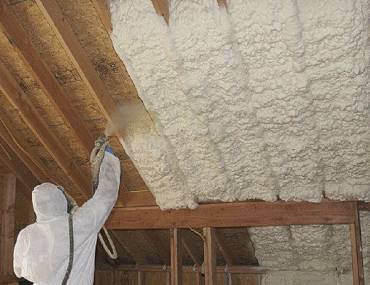
As homeowners become increasingly conscious of their environmental footprint, eco-friendly insulation options have gained popularity. Not only do these options provide effective thermal resistance to maintain comfortable indoor temperatures, but they also reduce energy consumption and are environmentally sustainable. The growing demand for green building materials has led to a range of innovative insulation solutions, each with unique benefits and characteristics. This article explores some of the top eco-friendly insulation options available today, helping homeowners make informed choices for their next home improvement project.
1. Cellulose Insulation
Made primarily from recycled paper products, cellulose insulation is a popular choice for those looking to minimize their environmental impact. It is treated with non-toxic fire retardants, making it a safe and effective insulation option. Cellulose insulation is known for:
- High recycled content, usually 80-85%.
- Excellent thermal performance and soundproofing capabilities.
- Cost-effectiveness compared to other eco-friendly options.
To delve deeper into how cellulose insulation can be tailored for specific needs, learn about our tailored solutions.
2. Sheep’s Wool Insulation
Known for its natural thermal properties, sheep’s wool insulation is both renewable and biodegradable. It effectively regulates moisture, which enhances indoor air quality and contributes to a healthier living environment. Key benefits include:
- Natural flame resistance without added chemicals.
- Ability to absorb and release moisture without losing insulating properties.
- Biodegradability, reducing landfill waste.
For those interested in understanding the detailed benefits of sheep’s wool insulation, explore advanced guides and tips.
3. Cork Insulation
Harvested from the bark of cork oak trees, cork insulation is sustainable and incredibly versatile. It offers a range of benefits that make it an attractive option for eco-conscious homeowners:
- Renewable and biodegradable, with minimal environmental impact.
- Excellent thermal and acoustic insulation properties.
- Resistance to pests, mold, and mildew.
To find out more about this approach, consider the long-term benefits of cork insulation in sustainable building practices.
4. Cotton (Denim) Insulation
Made from recycled denim fabric, cotton insulation is a sustainable choice that utilizes post-consumer materials. This insulation type is non-toxic and offers the following advantages:
- High recycled material content, reducing landfill waste.
- Non-irritating and safe for installation without protective gear.
- Effective thermal and acoustic insulation properties.
Discover expert strategies here on how cotton insulation can be integrated into various home designs for maximum efficiency.
5. Spray Foam Insulation with Eco-Friendly Formulations
While traditional spray foam insulation has been criticized for its environmental impact, newer formulations use eco-friendly blowing agents that significantly reduce greenhouse gas emissions. Benefits of these advanced spray foam options include:
- High R-values, providing superior thermal resistance.
- Ability to fill gaps and seal air leaks effectively.
- Long lifespan, reducing the need for frequent replacements.
To understand the nuances of these eco-friendly formulations, explore advanced guides and tips.
As the world continues to prioritize sustainability, eco-friendly insulation options offer homeowners a way to contribute positively to the environment while enjoying the benefits of increased comfort and energy savings. For those seeking further insights into sustainable insulation practices, numerous resources and expert guidance are available to aid in making informed decisions. By choosing the right insulation, homeowners can create a healthier, more energy-efficient living space.
