Ultimate Guide to Roof Waterproofing: Protect Your Home from the Elements
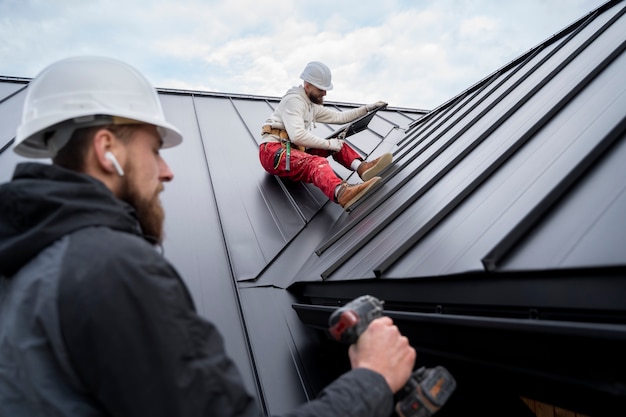
Waterproofing a roof is an essential part of home maintenance, crucial for protecting the structural integrity of a building and ensuring comfort inside the home. A properly waterproofed roof prevents water damage, mold growth, and energy inefficiency. This guide aims to provide a comprehensive overview of roof waterproofing techniques, helping homeowners make informed decisions to safeguard their homes against the elements.
Understanding Roof Waterproofing
Roof waterproofing is a process designed to make a roof resistant to water infiltration. By creating a barrier over the surface, it prevents the penetration of water through the roof structure, which could otherwise lead to significant damage over time.
Why Waterproofing is Essential
- Prevents Water Damage: Water leaking into a home can cause severe damage to ceilings, walls, and personal property.
- Enhances Longevity: A waterproofed roof can last longer as it is less susceptible to damage from moisture.
- Improves Energy Efficiency: Proper waterproofing helps in maintaining insulation, reducing energy costs for heating and cooling.
- Avoids Mold Growth: Keeping the roof dry prevents mold and mildew, which can lead to health problems.
Methods of Roof Waterproofing
Liquid Applied Membranes
This method involves applying a liquid waterproofing membrane that cures to form a seamless, durable, and flexible coating. It is particularly useful for complex roof designs. Discover expert strategies here for using liquid membranes effectively.
Bituminous Waterproofing
Bituminous materials are used for waterproofing roofs due to their high adhesive strength and durability. They are often applied in layers and can be reinforced with fiberglass or polyester. Learn about our tailored solutions for bituminous waterproofing.
Polyurethane Waterproofing
Polyurethane is a versatile solution ideal for flat roofs. It is resistant to chemicals and weather conditions, offering long-lasting protection. Explore advanced guides and tips on using polyurethane effectively.
Key Considerations for Roof Waterproofing
- Roof Type: The choice of waterproofing method depends greatly on the type of roof, whether flat, sloped, or complex in design.
- Climate Conditions: Consider the local weather conditions; some materials perform better in wet or extremely sunny environments.
- Material Compatibility: Ensure the waterproofing materials are compatible with the existing roof structure.
- Professional Expertise: Engaging skilled professionals ensures the proper application of waterproofing techniques. Find out more about this approach and ensure expert application.
Maintenance Tips for Waterproofed Roofs
Regular maintenance is crucial to extend the lifespan of a waterproofed roof. Here are some tips:
- Inspect Regularly: Check for signs of wear and tear, such as cracks or bubbling in the membrane.
- Clear Debris: Remove leaves and debris that can trap moisture and cause damage.
- Repair Promptly: Address any small issues quickly before they become major problems.
- Professional Inspection: Schedule regular inspections by professionals to ensure the integrity of the waterproofing. Check out customer reviews here to see how others have benefited from professional services.
In conclusion, roof waterproofing is a critical investment for any homeowner looking to protect their property from the elements. By understanding the different methods and considerations, and maintaining the waterproofing effectively, homeowners can enjoy a safe and comfortable living environment. For more in-depth information or to consult with professionals, explore advanced guides and tips.
