Understanding Radon Mitigation in Denver
Radon is a naturally occurring radioactive gas that can pose serious health risks if present in high concentrations indoors. In Denver, the presence of radon is a notable concern due to the area’s geological characteristics. Understanding and mitigating radon levels in residential and commercial properties is crucial for safeguarding health. This article provides a detailed exploration of radon mitigation processes in Denver, offering insights into various strategies, the importance of testing, and the benefits of professional mitigation services.
What is Radon?
Radon is an odorless, tasteless, and invisible gas that results from the decay of uranium in the soil. Because it is a gas, radon can easily seep into buildings through cracks in floors, walls, and foundations, potentially accumulating to hazardous levels.
Why is Radon a Concern in Denver?
The geological composition of Denver, with its high uranium content in rocks and soil, makes it particularly susceptible to elevated radon levels. The Environmental Protection Agency (EPA) highlights that radon is the second leading cause of lung cancer, making it imperative for Denver residents to assess and address radon levels in their homes and businesses.
Testing for Radon
Testing is the only way to determine the radon levels in a building. The process involves using a radon test kit, which can be placed in the lowest habitable level of a home or building for a specified period. Professional radon testing services can provide more accurate and comprehensive assessments.
Testing Options Include:
- Short-term tests: These last from a few days to 90 days and provide quick insights into radon levels.
- Long-term tests: Conducted over 90 days or more, these tests offer a more accurate picture of the average radon level year-round.
For comprehensive guidance on testing, discover expert strategies here.
Radon Mitigation Techniques
Once radon levels are determined, appropriate mitigation techniques can be implemented to reduce them. The following are common radon reduction methods:
Sub-Slab Depressurization
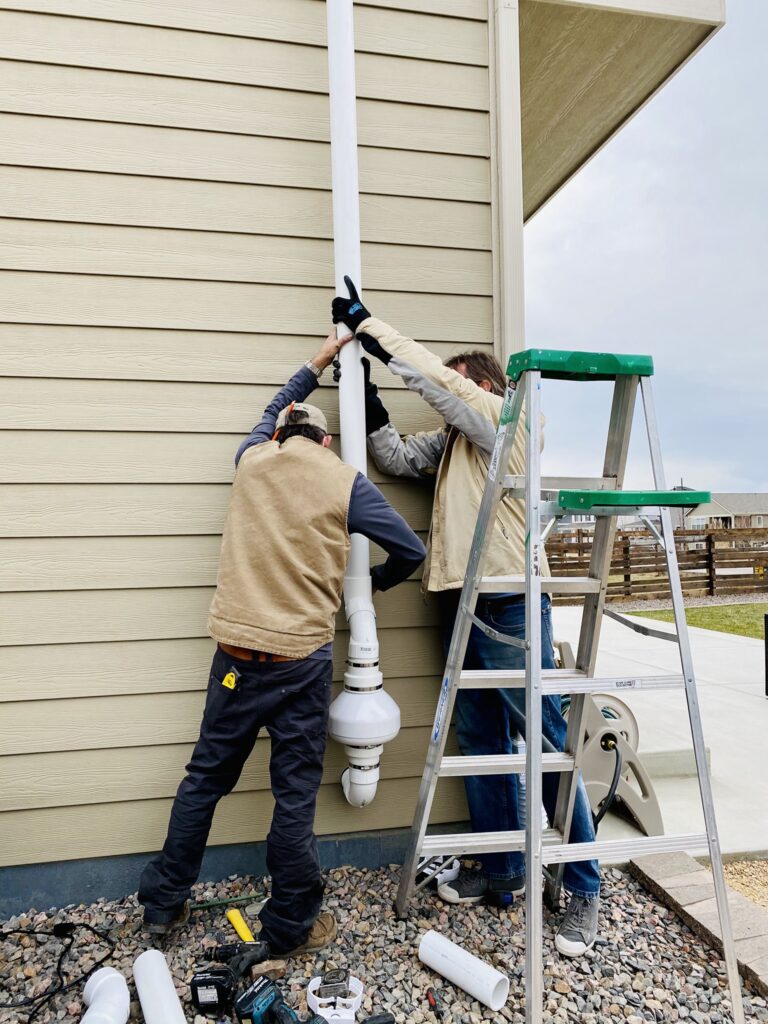
This is the most common and effective radon mitigation technique, particularly in homes with basements. It involves installing a vent pipe system and fan to pull radon from beneath the house and vent it to the outside.
Sealing and House Pressurization
- Sealing: Cracks and openings in the foundation are sealed to reduce radon entry.
- House Pressurization: Adjusting the air pressure within the house to prevent radon infiltration.
To learn about these tailored solutions, reach out to professionals who can assess and implement the best strategy for your property.
Benefits of Professional Radon Mitigation
Employing professional radon mitigation services ensures that reduction techniques are applied correctly and effectively. Professionals offer:
- Comprehensive assessments and testing.
- Customized mitigation plans tailored to specific building needs.
- Installation and maintenance of radon reduction systems.
Explore advanced guides and tips for ensuring a safe indoor environment.
Maintaining Safe Radon Levels
After mitigation, ongoing monitoring of radon levels is essential to ensure that mitigation systems continue to function effectively. Regular follow-up tests are recommended to maintain a safe indoor environment.
For more information on maintaining radon systems, find out more about this approach.
Understanding and addressing radon levels is critical for protecting health in Denver’s unique environmental conditions. With proper testing and mitigation strategies, residents and business owners can ensure their properties remain safe from the harmful effects of radon.
