Understanding the Role of Safety Signs in Accident Prevention
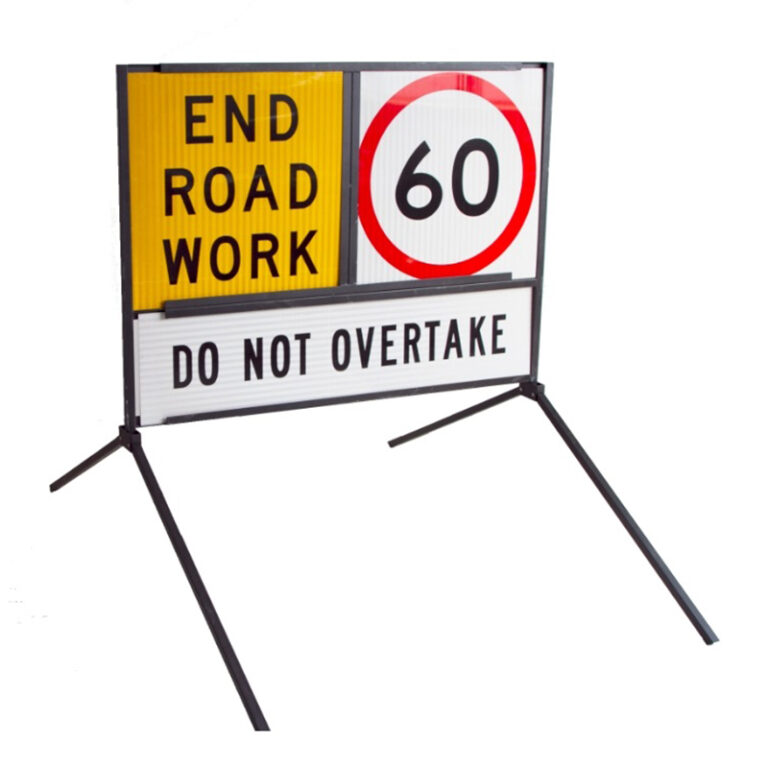
Safety signs are a crucial component in maintaining safety within workplaces, roadways, and public spaces. Their primary function is to communicate important information quickly and effectively to prevent accidents and injuries. The use of safety signs is a regulatory requirement in many industries, and their design is typically standardized to ensure that the message is clear and universally understood. Through the strategic placement and use of safety signs, potential hazards can be identified and avoided, thereby reducing the likelihood of incidents.
The Importance of Safety Signs
Safety signs serve several critical functions that contribute to accident prevention:
- They provide immediate warnings about potential hazards.
- They offer clear instructions for safe practices in specific areas.
- They help in guiding people safely in an emergency, such as directing to exits or providing evacuation routes.
- They ensure compliance with safety regulations and standards, avoiding legal liabilities.
Types of Safety Signs
There are several types of safety signs, each serving a unique purpose and conveying different types of messages. These include:
Warning Signs
Warning signs are designed to draw attention to potential hazards, alerting individuals to take precautionary measures. These signs typically use yellow and black color schemes and include symbols or pictograms to emphasize the warning message.
Mandatory Signs
Mandatory signs provide instructions that must be followed to ensure safety. They are characterized by a blue circular symbol with a white pictogram, indicating required actions like wearing personal protective equipment or following specific procedures.
Prohibition Signs
Prohibition signs are used to restrict certain behaviors that could lead to accidents or unsafe conditions. They are easily recognizable by their red circle and diagonal line across a black symbol, such as no smoking or no entry signs.
Emergency Information Signs
These signs are crucial in guiding individuals during emergencies. They indicate routes to safety, such as exit signs and directions to emergency equipment like fire extinguishers or first aid kits. Their green and white color scheme is designed to be instantly recognizable.
Customization and Placement
The effectiveness of safety signs is not only determined by their design but also by their placement and customization according to specific needs. Custom safety signs can be tailored to address unique hazards or instructions specific to a particular environment or industry. Proper placement ensures that signs are visible, legible, and strategically located to maximize their impact.
Strategic Placement
For safety signs to be effective, their placement must be strategic. This involves:
- Positioning signs at eye level to ensure visibility.
- Avoiding obstructions that could block the view of the sign.
- Ensuring signs are placed at a safe distance from the hazard they warn about.
- Regularly inspecting and maintaining the signs to ensure they remain visible and legible over time.
Customization Options
Customization allows for the creation of signs that address specific hazards or regulatory requirements unique to a workplace or site. This can include choosing specific materials, sizes, and languages to enhance the readability and relevance of the signs.
Conclusion
The role of safety signs in accident prevention cannot be overstated. They are an essential aspect of any comprehensive safety strategy, helping to mitigate risks and promoting awareness of potential hazards. Businesses and public entities must prioritize the use of traffic safety signs and other types to ensure a safe environment for all. By understanding and implementing effective safety signage, the occurrence of accidents can be significantly minimized, ensuring safety and compliance across various settings.
